Chia and Heart Health: A Complete Guide with 5 Recipes
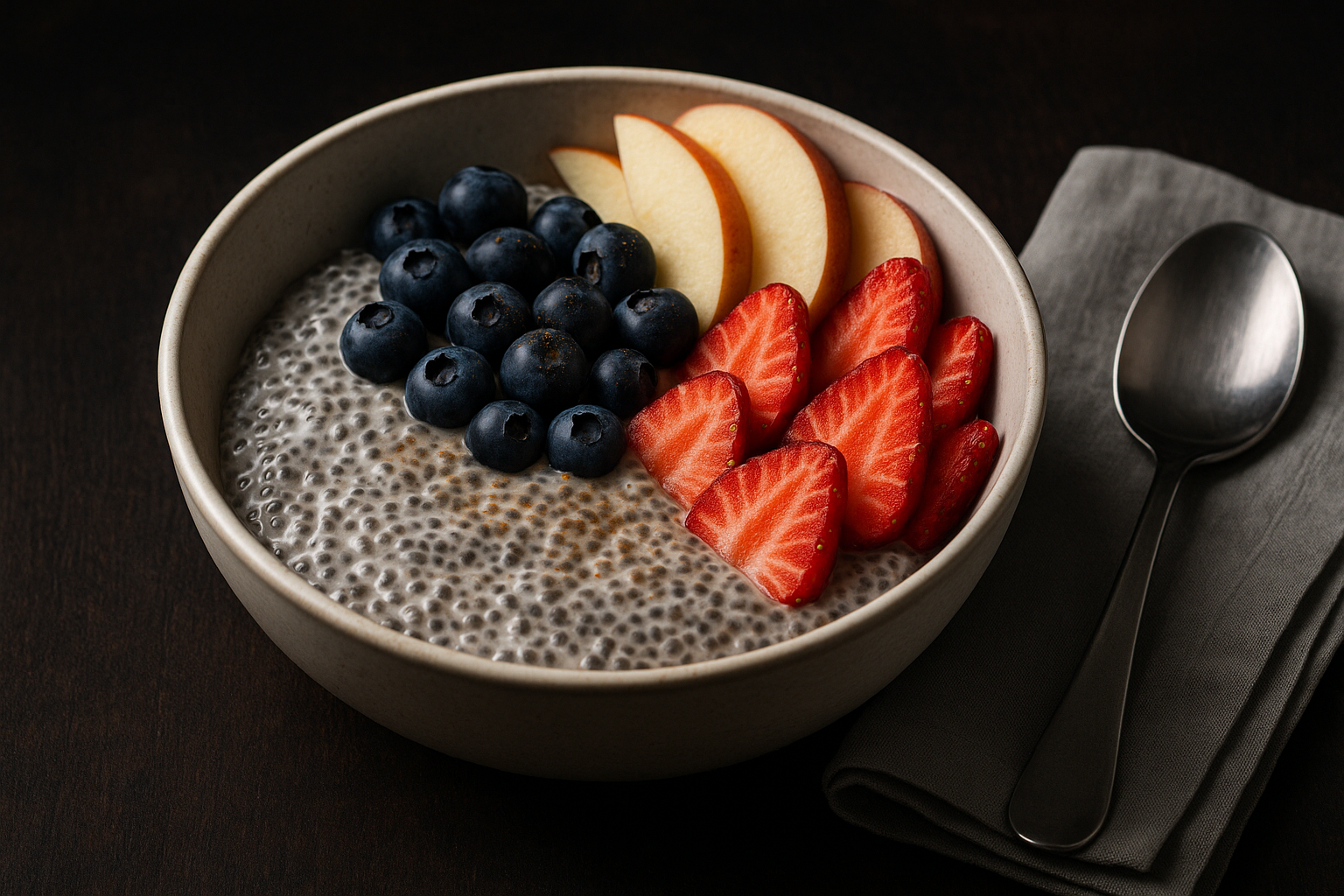
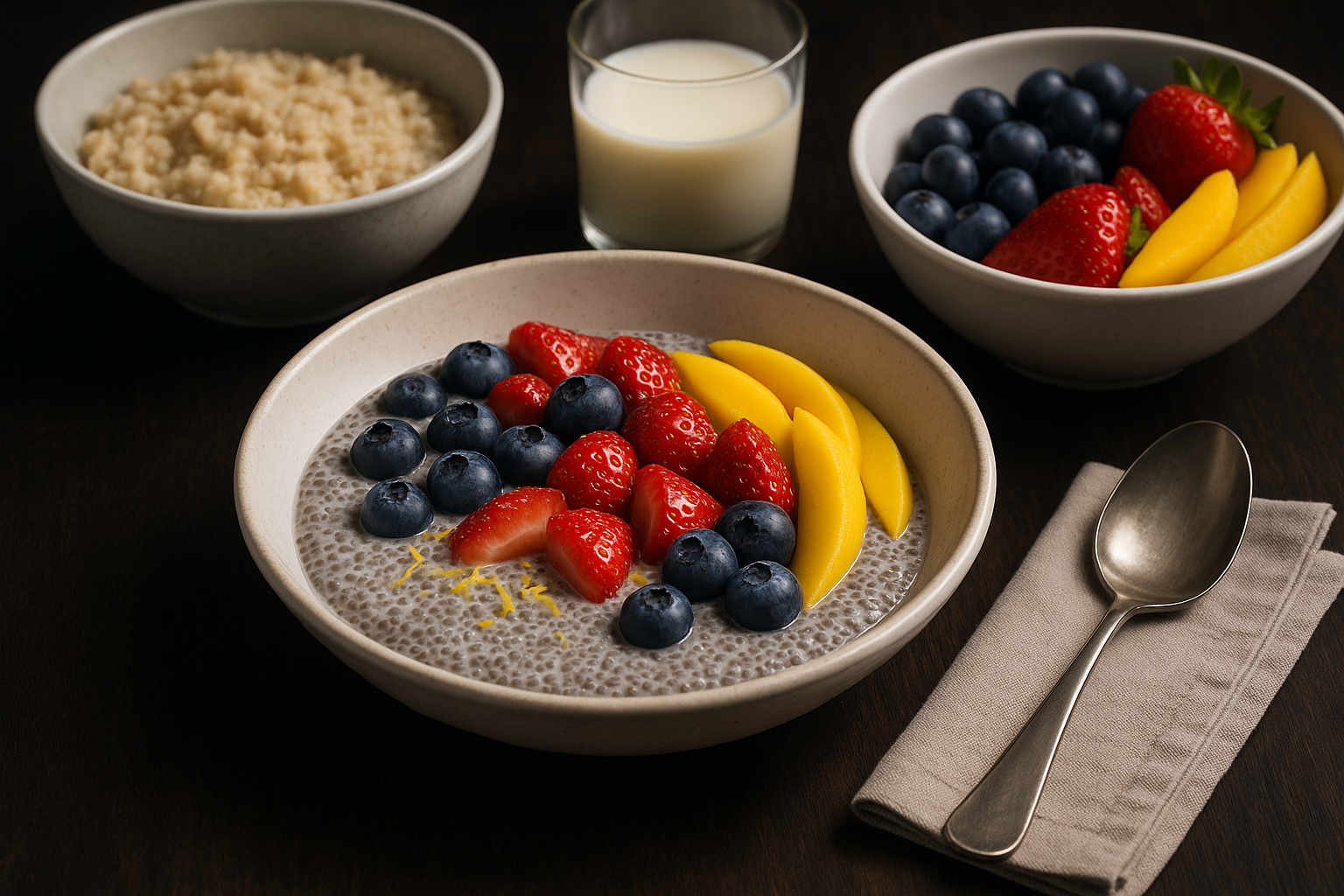
Image created for The Nutrient
A practical guide to chia and heart health with tips and five easy chia pudding recipes.
Chia seeds can be a useful part of a heart-conscious breakfast. Chia and heart health are connected because chia provides fiber, plant-based alpha-linolenic acid (ALA), protein, and minerals in a very small serving. However, chia is not a treatment for heart disease, and the strongest benefits come from an overall eating pattern rather than any one “superfood.”
Heart-health rating: 5 of 5 (plant-forward, oil-free).
What are chia seeds?
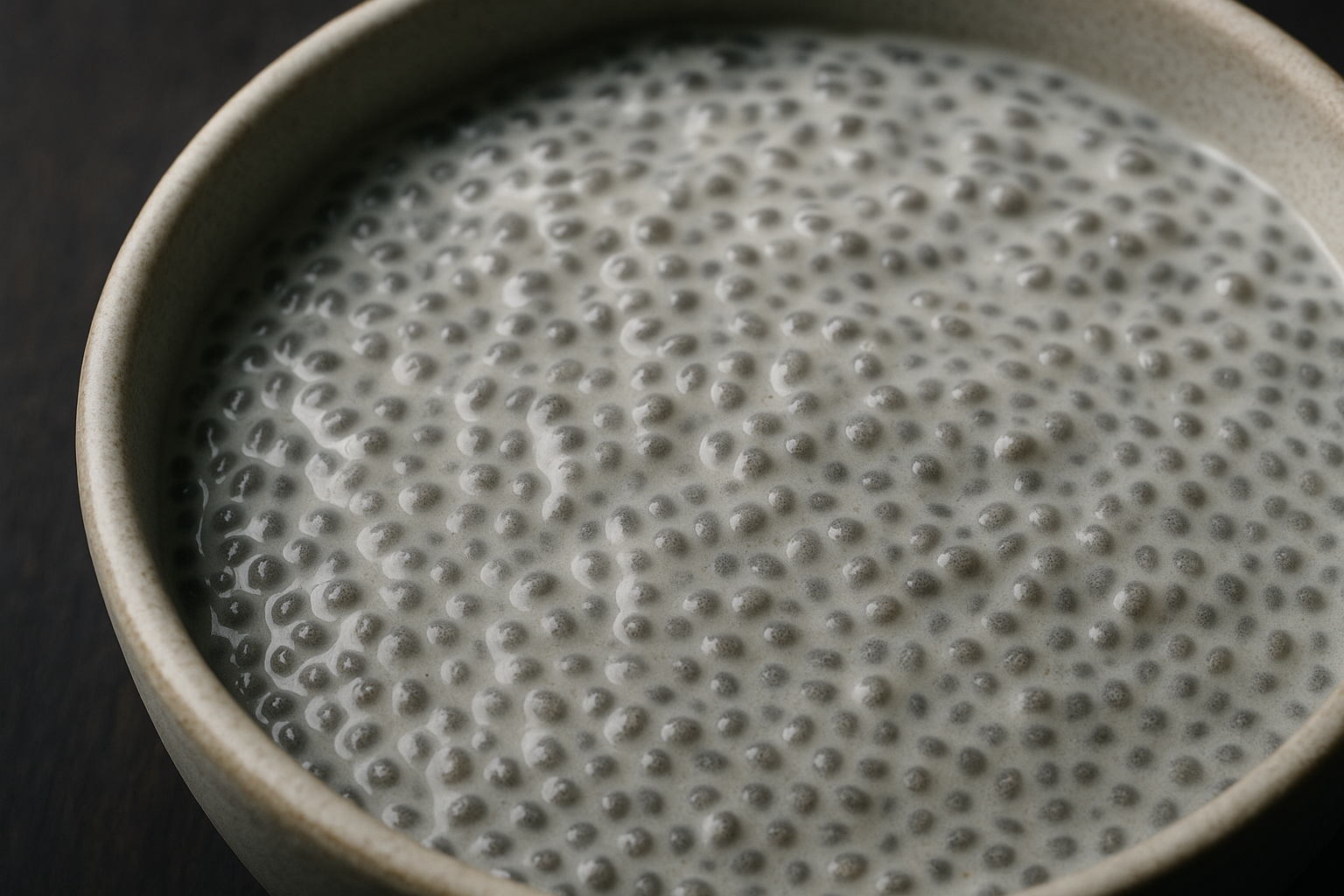
Chia seeds come from Salvia hispanica. When mixed with liquid, their soluble fiber forms a soft gel. That makes chia useful for overnight puddings, oatmeal, fruit spreads, smoothies, and egg-free baking.
Chia and Heart Health
The American Heart Association lists chia among seeds that supply unsaturated fats, fiber, and essential nutrients. Chia also contains ALA, a plant-based omega-3 fat. Research on chia itself is still developing; some studies report small improvements in cardiovascular risk markers, while other reviews find the evidence inconsistent. Therefore, it is more accurate to say chia can support a heart-conscious dietary pattern than to say chia prevents or reverses heart disease.
What chia contributes
- Fiber: helps make breakfast more filling and supports digestive health.
- Plant-based ALA: an essential omega-3 fat the body cannot make.
- Texture without dairy cream: hydrated chia naturally thickens plant milk.
- Low-sodium flexibility: plain chia seeds contain no added salt; packaged toppings determine the final sodium level.
How much chia should you use?
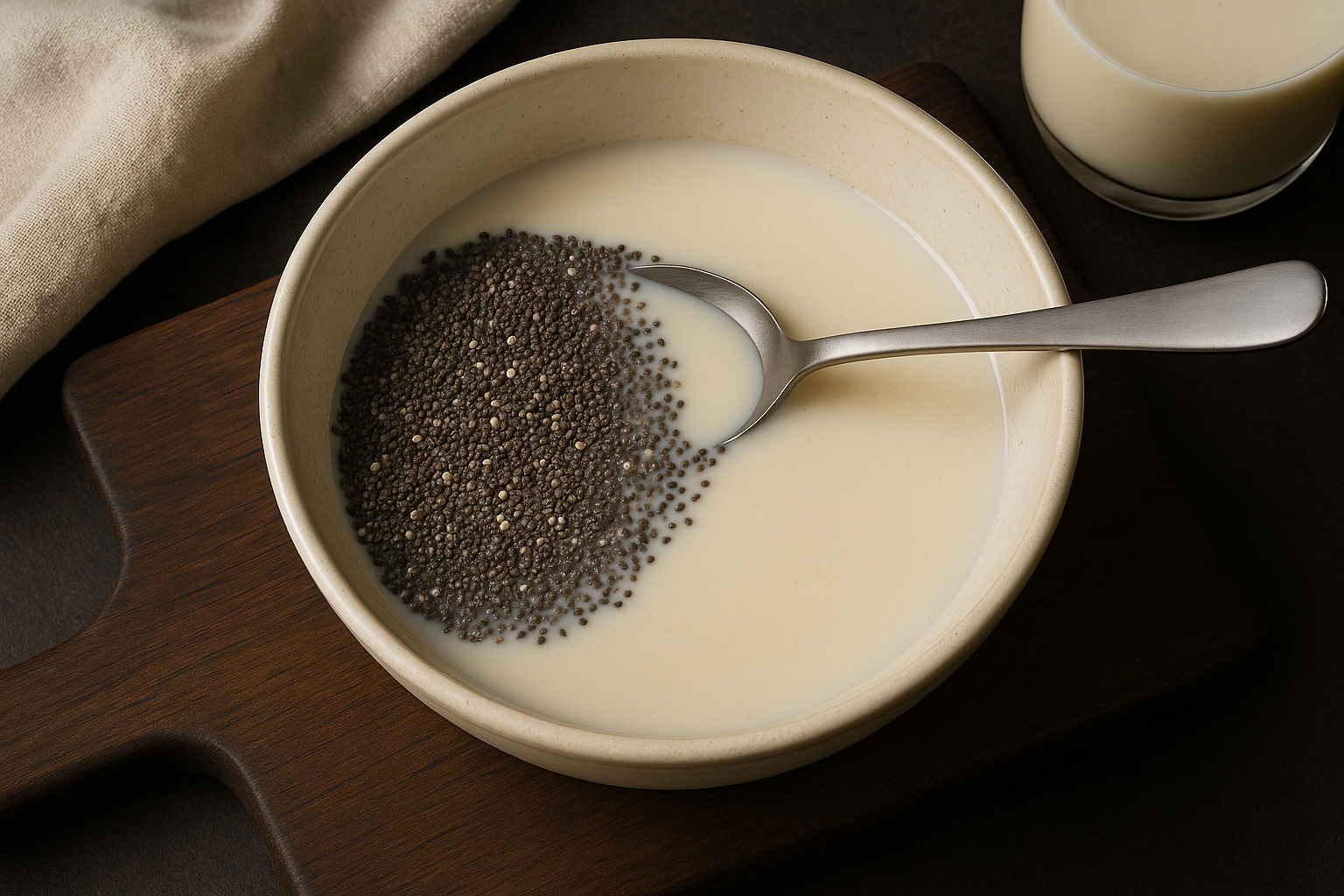
A practical serving is usually 1 to 2 tablespoons. For chia pudding, a dependable starting ratio is 3 tablespoons chia seeds to 1 cup liquid. Stir once when combined and again after 5–10 minutes to prevent clumps, then refrigerate until thick. Prepared chia pudding keeps 3 to 5 days in a covered container.
Whole or ground chia?
Unlike flaxseed, chia can be eaten whole after it is hydrated. Ground chia creates a smoother texture and can be useful in baking. Store both types in a cool, dry place and follow the package date. If you buy large amounts, keep them sealed to preserve flavor.
Build a heart-conscious chia breakfast
- Use unsweetened soy, oat, or other plant milk for added protein or creaminess.
- Add whole fruit, especially berries, apples, pears, peaches, or mango.
- Flavor with cinnamon, ginger, vanilla, citrus zest, or unsweetened cocoa.
- Keep syrups and added sugars modest.
- Avoid building the bowl around butter, cream, coconut oil, or sugary granola.
- Compare plant-milk labels for added sugar, saturated fat, and sodium.
Important preparation note
Chia absorbs a great deal of liquid. Mix it thoroughly into liquid or moist food before eating rather than swallowing a spoonful of dry seeds. Anyone with swallowing difficulty or a medical condition that affects digestion should ask a clinician whether chia is appropriate.
Five chia recipes
- Blueberry Lemon Chia Pudding
- Strawberry Banana Chia Pudding
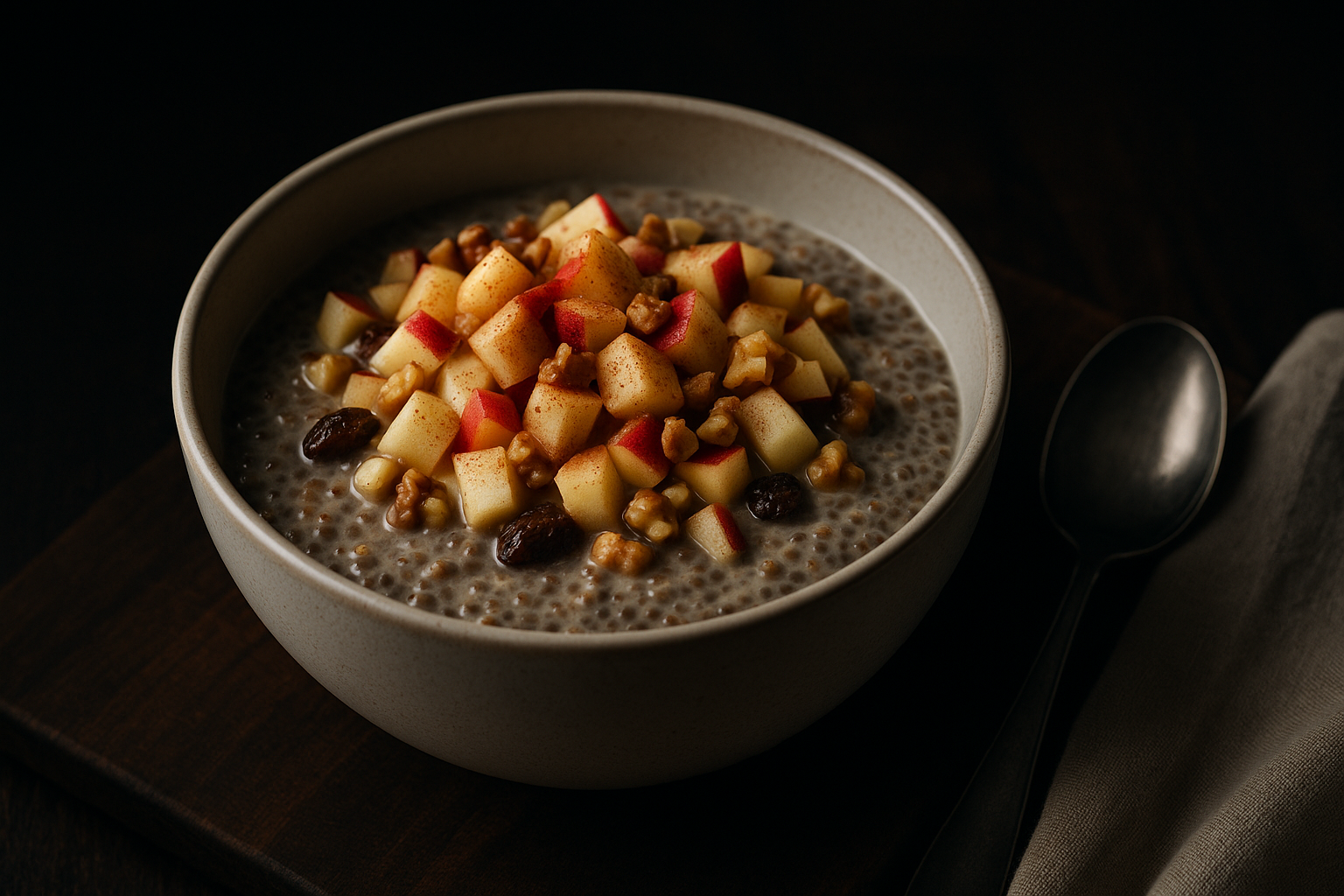
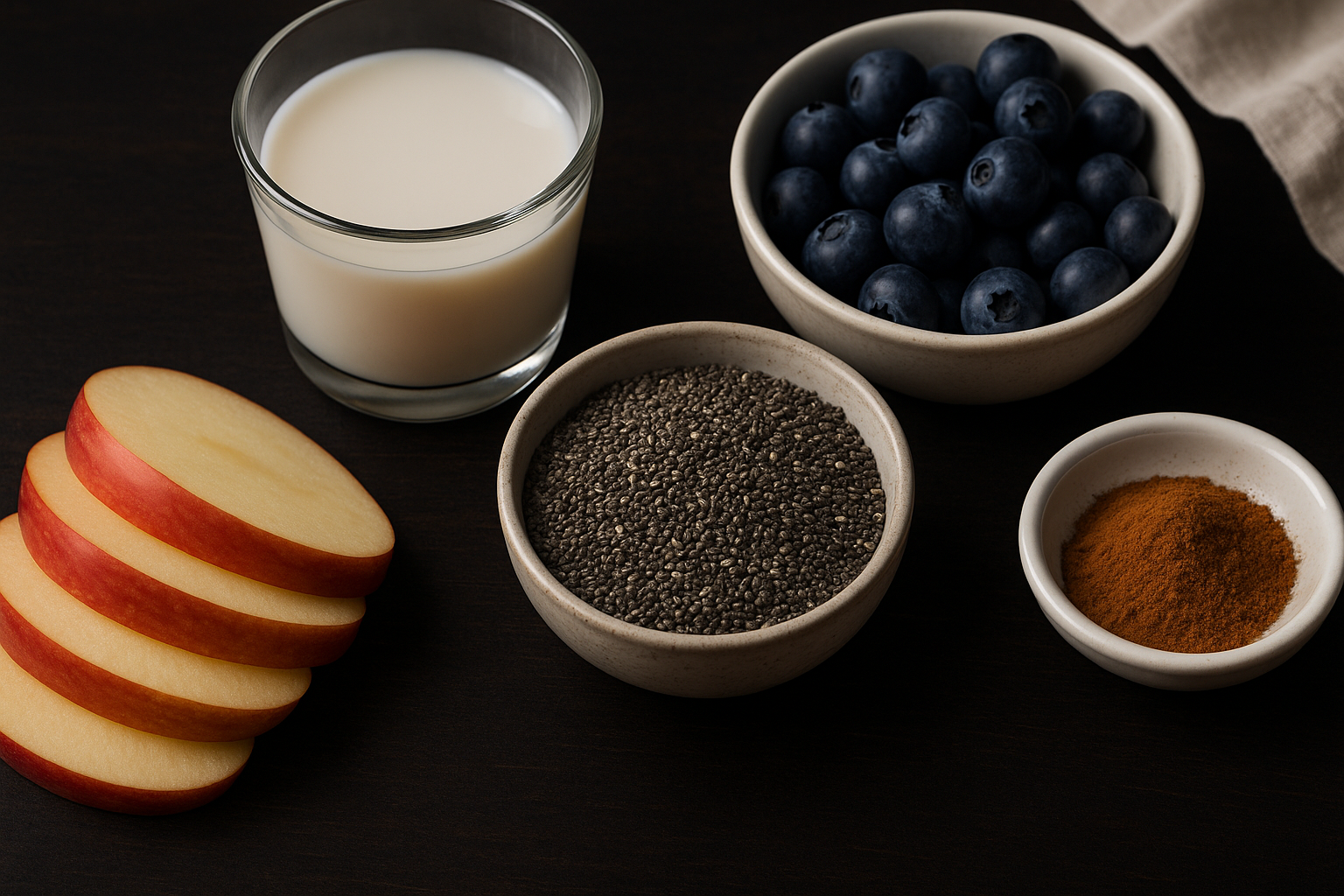
- Apple Cinnamon Overnight Chia Pudding
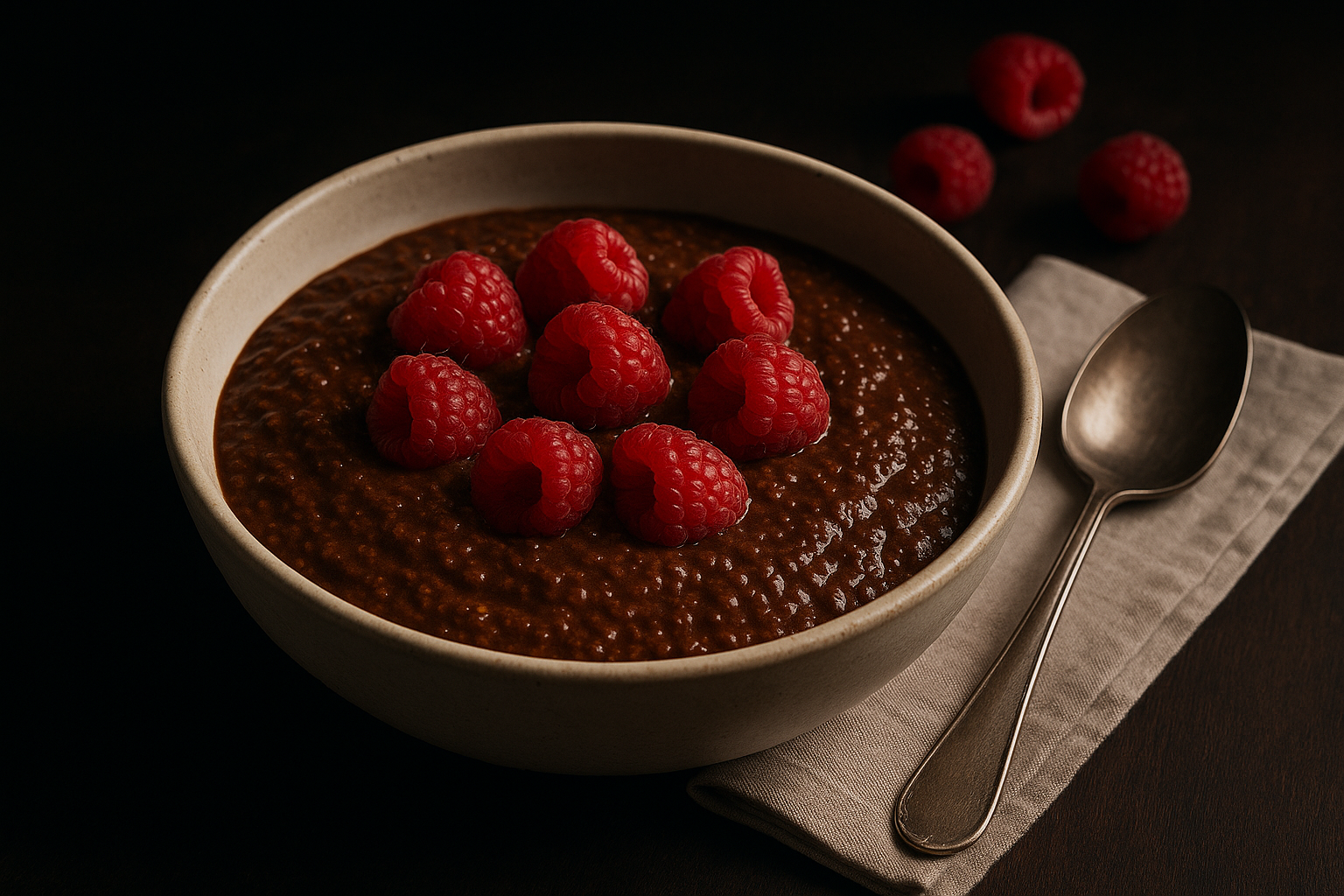
- Chocolate Raspberry Chia Pudding
- Mango Lime Chia Pudding
Chia compared with oatmeal, farina, and grits
Chia is a seed rather than a cereal grain. Oatmeal supplies beta-glucan soluble fiber and works as a substantial grain base. Farina and grits make warm, comforting cereals but are often more refined, so fiber-rich toppings matter. Chia brings concentrated fiber and ALA and works especially well as a thickener or topping. Combining chia with oatmeal or whole fruit creates more variety than relying on chia alone.
Sources and medical note
Read the American Heart Association’s chia overview, the NIH omega-3 fact sheet, and a systematic review of chia and cardiovascular risk factors. This article provides general food education, not individualized medical advice. Talk with your healthcare professional before making major dietary changes, especially if you have heart disease, swallowing difficulty, or take medication.
Explore the heart-conscious breakfast series
- Oatmeal and Heart Health
- Farina and Heart Health
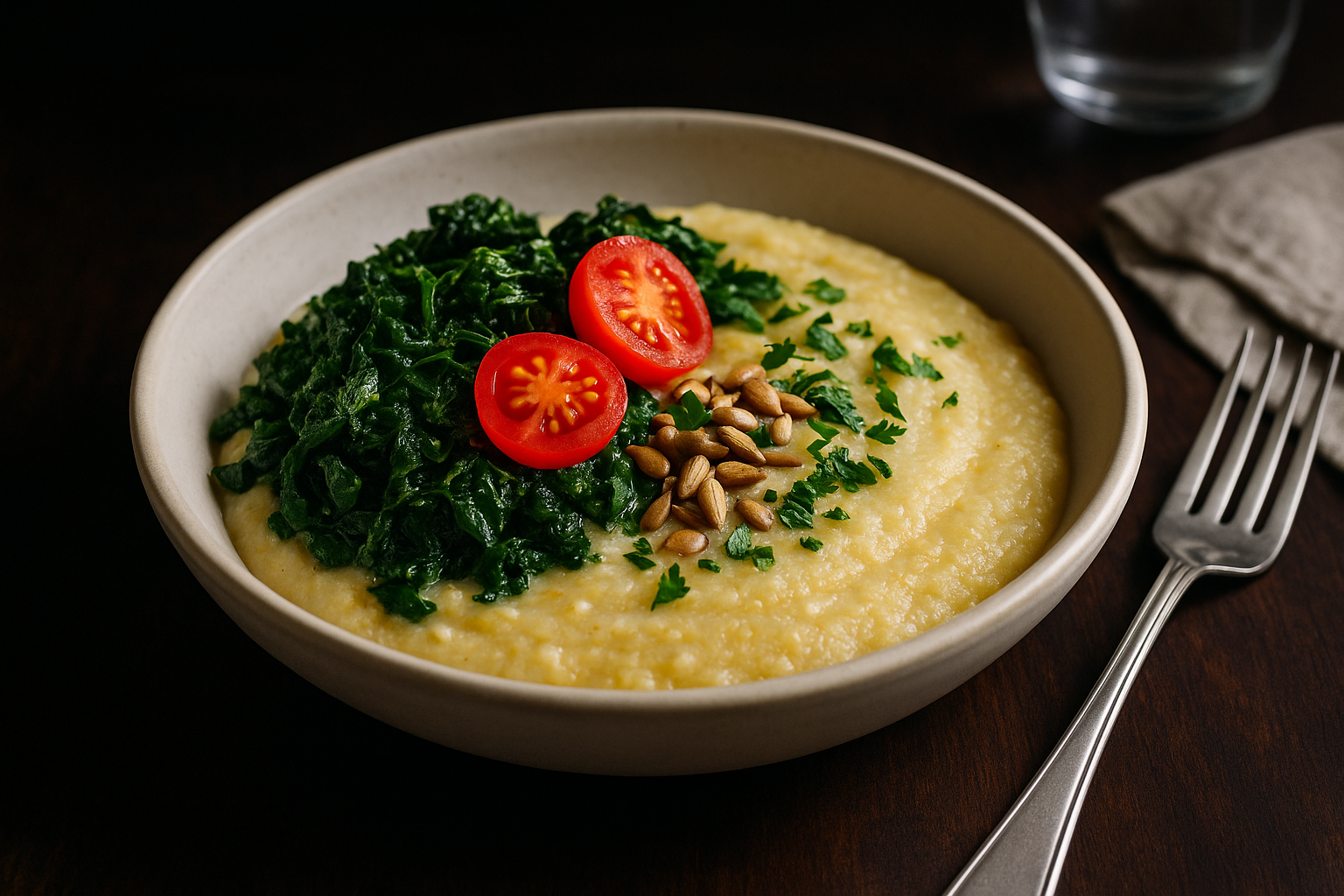
- Grits and Heart Health
- Chia and Heart Health
- 10 Things That Make a Breakfast Heart-Healthy
Find more heart-conscious recipes at The Nutrient.

Save Time
- Prepare the make-ahead components earlier and refrigerate them until cooking or serving.
YOUR FEEDBACK
Was this page helpful?
Your answer helps us improve our recipes and guides.