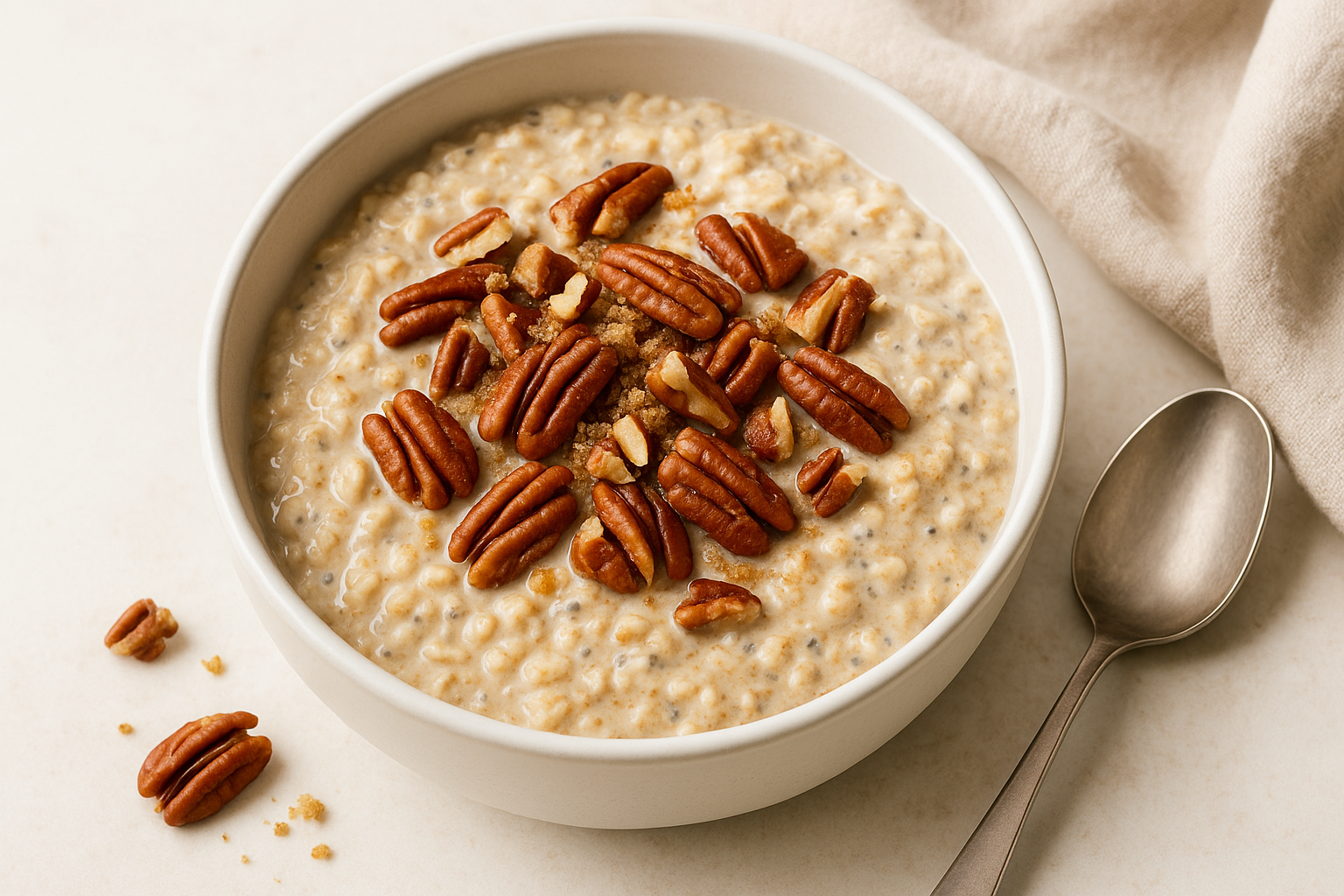
Oatmeal and Heart Health: A Complete Guide with 5 Recipes
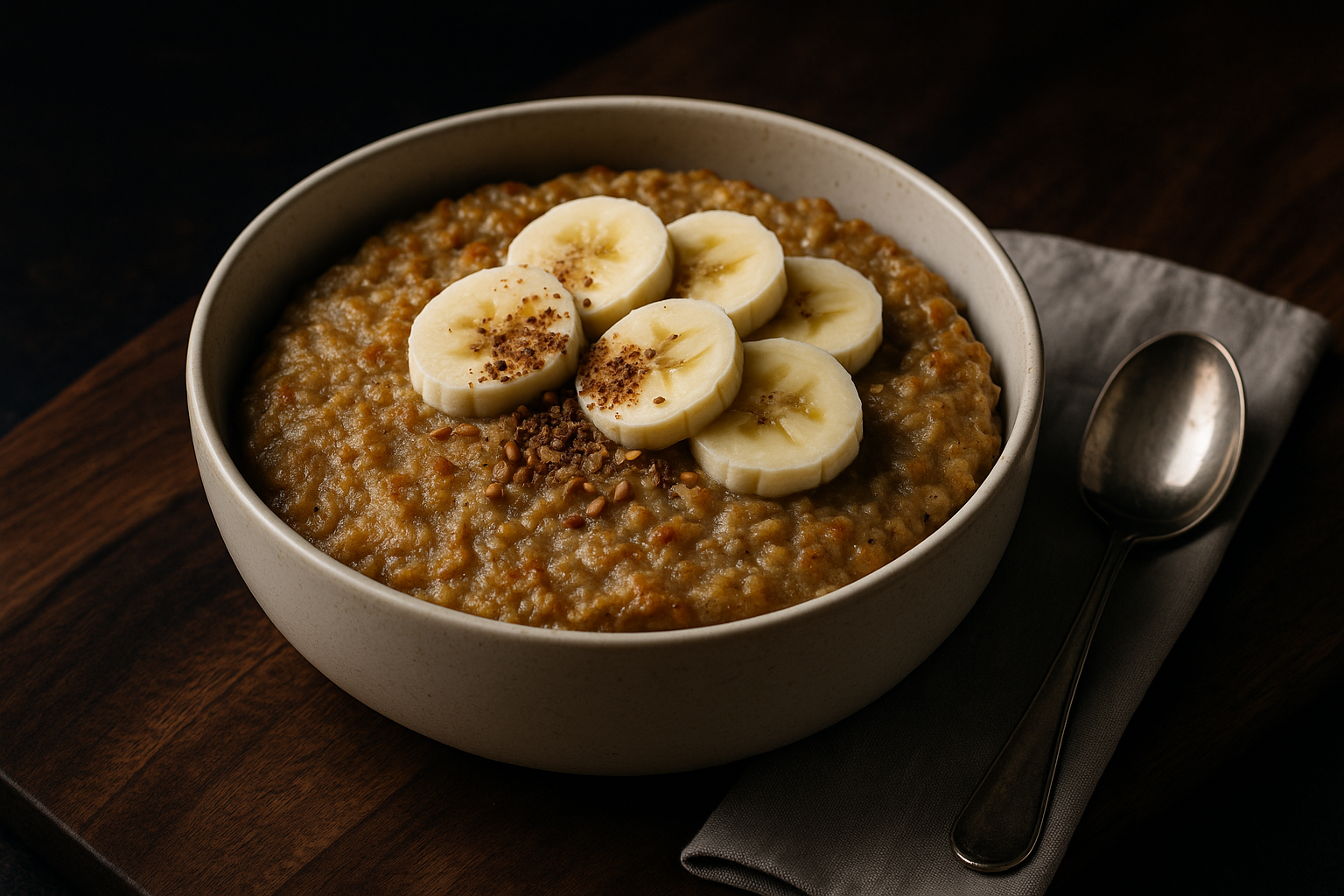
Image created for The Nutrient
A practical, heart-conscious guide to oats with simple tips, five easy recipes, and helpful storage and substitution advice.
Oatmeal and Heart Health: Oatmeal is one of the strongest everyday breakfast choices for a heart-conscious pattern, especially when prepared simply and paired with fruit, seeds, and whole plant foods.
The U.S. Food and Drug Administration recognizes an authorized health claim about soluble fiber from whole oats and a reduced risk of coronary heart disease when a food and the overall diet meet specific requirements. That does not make oatmeal a treatment, but it does explain why oats are often highlighted in heart-conscious meal patterns.
What oatmeal is
Oatmeal starts from oat groats processed into steel-cut oats, rolled oats, quick oats, or instant oats. Steel-cut oats are chewy and take longer to cook. Rolled oats are versatile for stovetop or baking. Quick oats cook fastest, while overnight oats use rolled oats soaked in liquid without cooking.
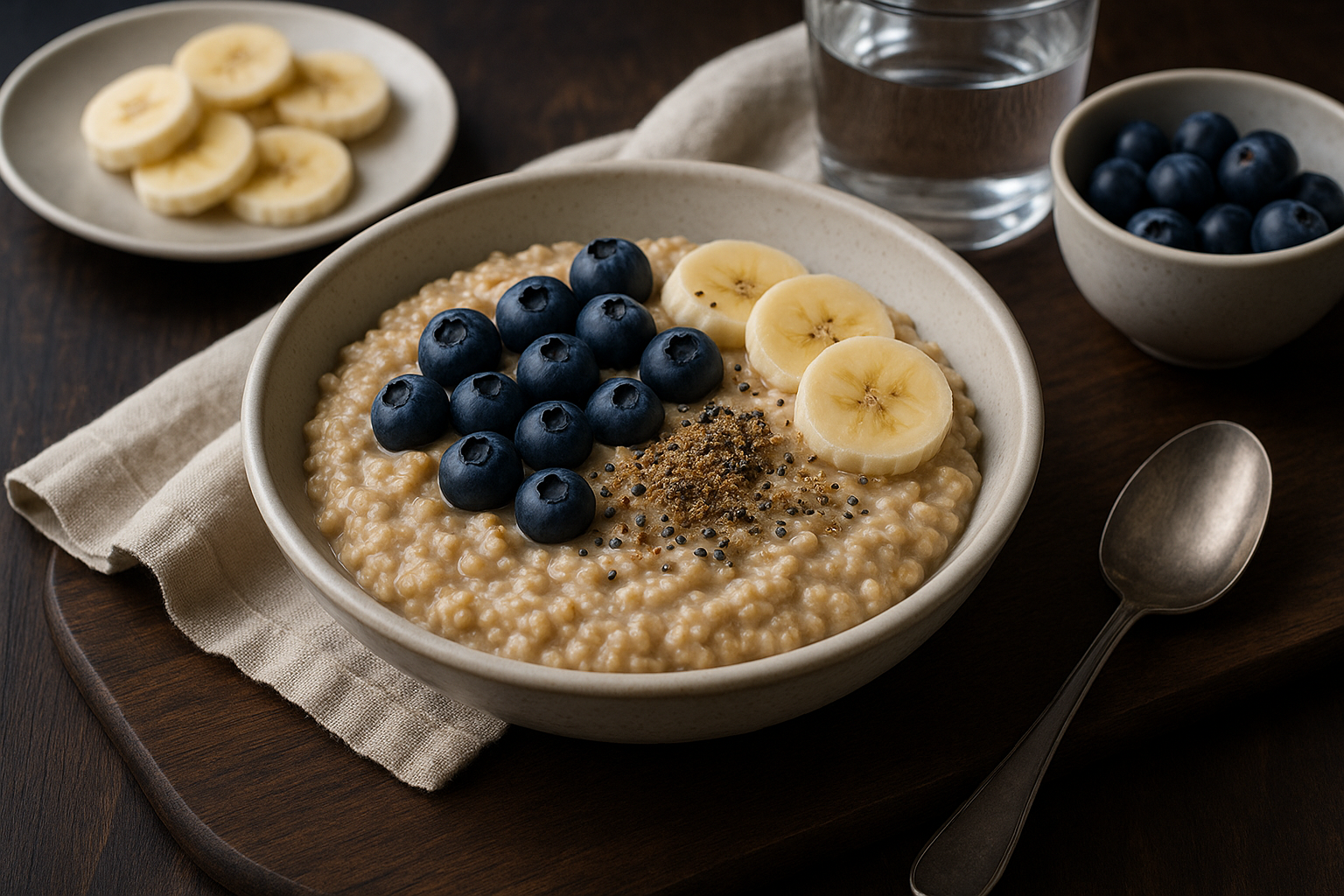
What makes an oatmeal bowl heart-conscious?
- Start with plain oats rather than flavored, sweetened packets.
- Add whole fruit for sweetness, color, and fiber.
- Use ground flaxseed or chia for texture and extra soluble fiber.
- Choose water or an unsweetened plant milk.
- Keep butter, coconut oil, cream, and large amounts of added sweetener out of the bowl.
- Check sodium and added sugar on packaged products.
Oatmeal and Heart Health: key points
Oats are a whole grain and contain beta-glucan, a soluble fiber studied for its effect on blood cholesterol. For example, adding a tablespoon of ground flaxseed boosts soluble fiber and provides omega-3 ALA. Therefore, small swaps make a bowl more heart-conscious without sacrificing flavor.
Practical swaps and dietary notes
- If you usually add butter or cream, try mashed banana or unsweetened applesauce instead.
- If you use dairy milk or yogurt, choose unsweetened plant milk or soy yogurt to lower saturated fat; alternatively, use low-fat dairy if preferred.
- If oil appears in recipes, substitute fruit purée or extra mashed banana for sweetness and moisture to keep the bowl plant-forward.
- Egg-free option: replace egg binders in baked oats with mashed banana or 1 tablespoon ground flax + 3 tablespoons water per egg (let sit 5 minutes).
Steel-cut, rolled, quick, or overnight?
Choose the texture you will enjoy regularly. Steel-cut oats are chewy, rolled oats are versatile, and quick oats cook fastest. Overnight oats use rolled oats softened in liquid. The best option is the plain product you can prepare consistently without turning it into dessert.
Five oatmeal recipes to try
- Blueberry Lemon Chia Overnight Oats
- Pumpkin Spice Flax Overnight Oats
- Peach Raspberry Overnight Oats
- Carrot Cake Overnight Oats
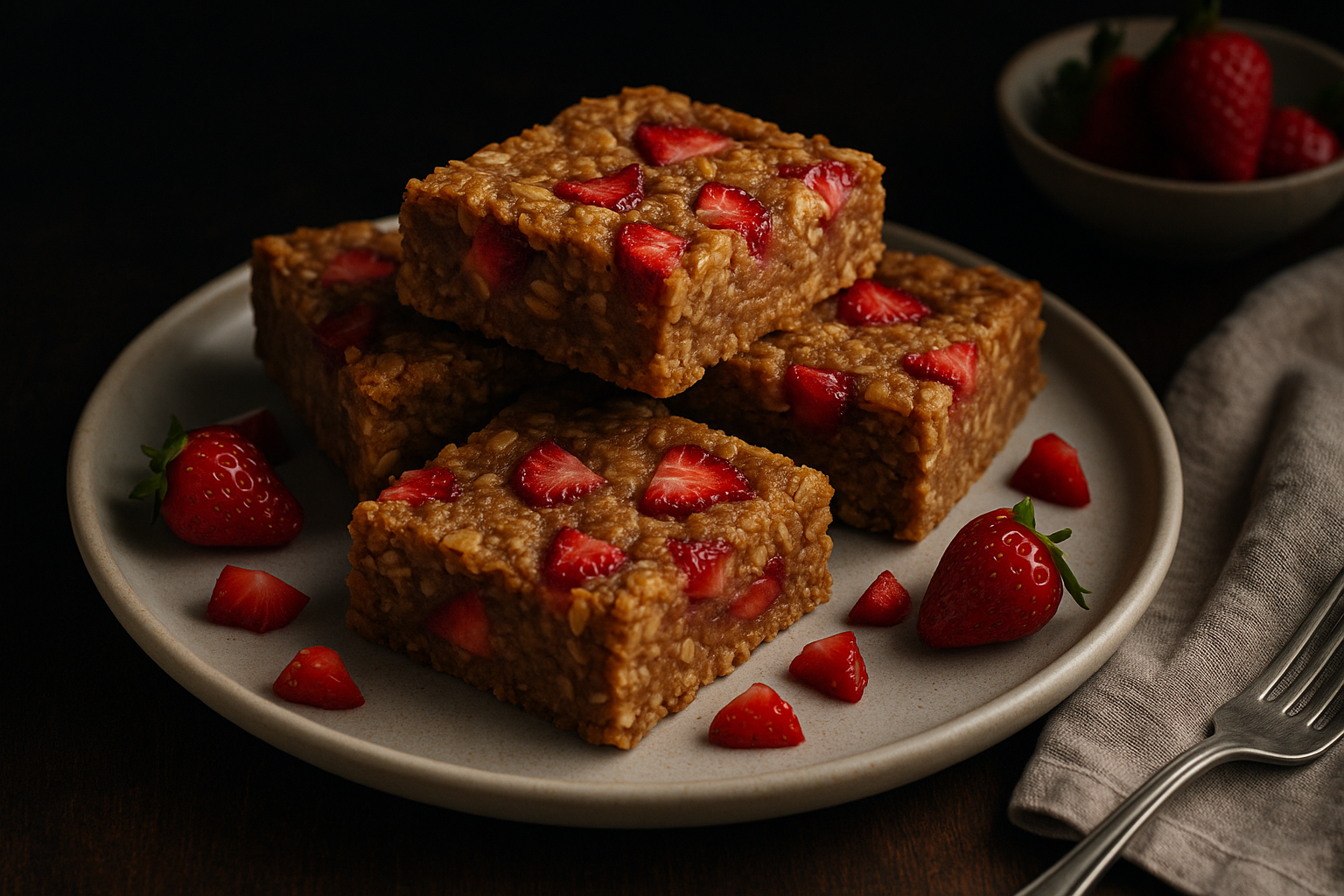
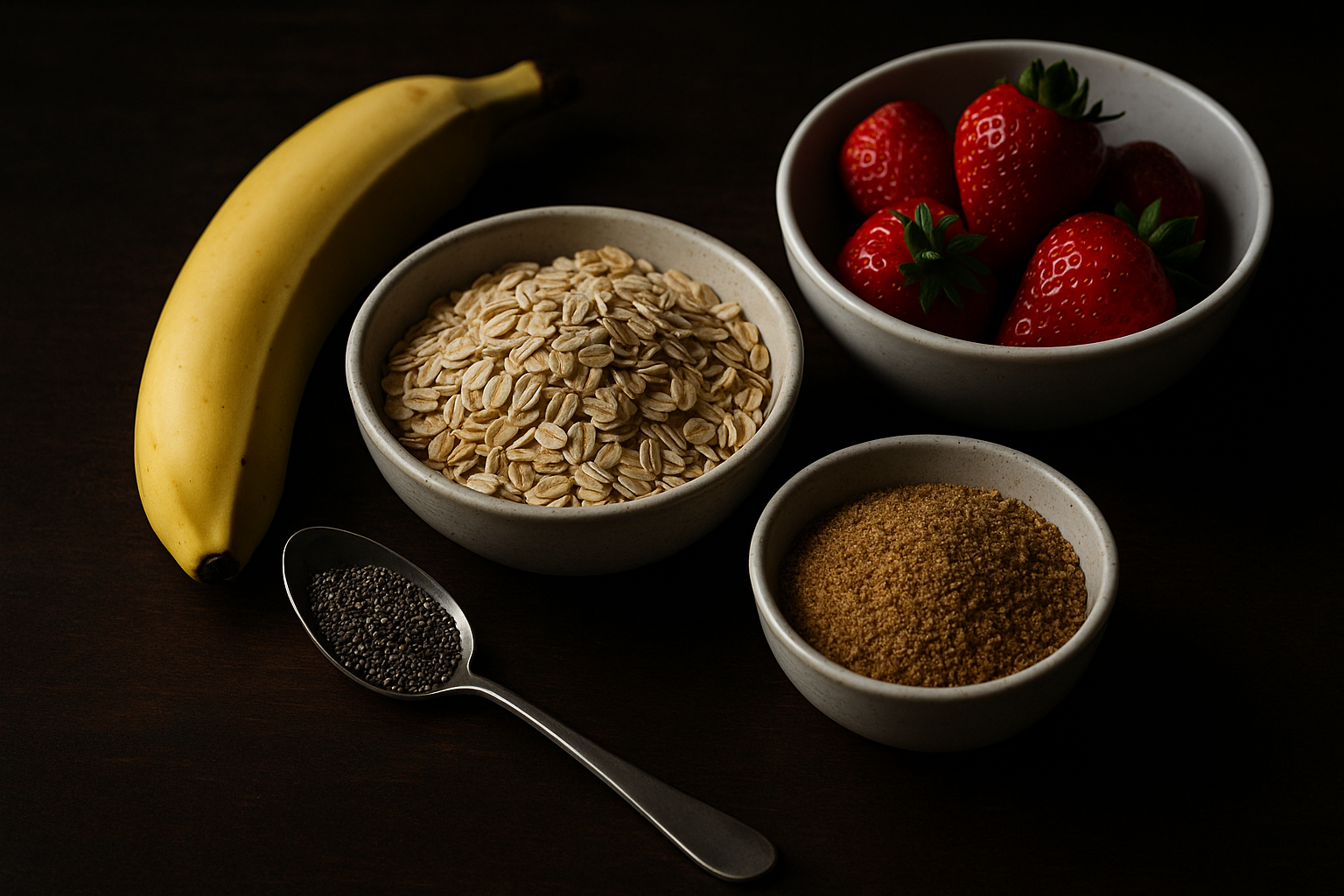
- Strawberry Banana Baked Oats
How oatmeal compares with farina and grits
Oatmeal naturally begins as a whole-grain, beta-glucan-rich cereal. Farina is a smooth wheat-based bowl but is generally more refined. Grits are corn-based and vary by processing. All three can be prepared without butter, cream, or excessive sodium, but oats have the clearest heart-health evidence of the three.
Storage, servings, and practical tips
Store dry oats in a cool, dry place in an airtight container. Cooked oatmeal keeps in the refrigerator for 3 to 4 days, and overnight oats last 3 days. For example, make a 4-serving batch of stovetop rolled oats and portion it into jars for quick breakfasts.
Servings: A typical serving is 1/2 cup dry rolled oats (about 40–50 g). Preparation time varies; quick oats toast in 3 to 5 minutes, rolled oats take 5 to 10 minutes, and steel-cut oats take 20 to 30 minutes, or use overnight soaking.
Sources and medical note
Read the FDA’s authorized health-claim summary and the American Heart Association’s guide to whole and refined grains. This article is general food education, not medical advice. If you have heart disease, diabetes, celiac disease, food allergies, or take medication, discuss major dietary changes with your clinician.
Explore the heart-conscious breakfast grain series
Learn more about heart-conscious eating on the The Nutrient homepage.

01 of 09
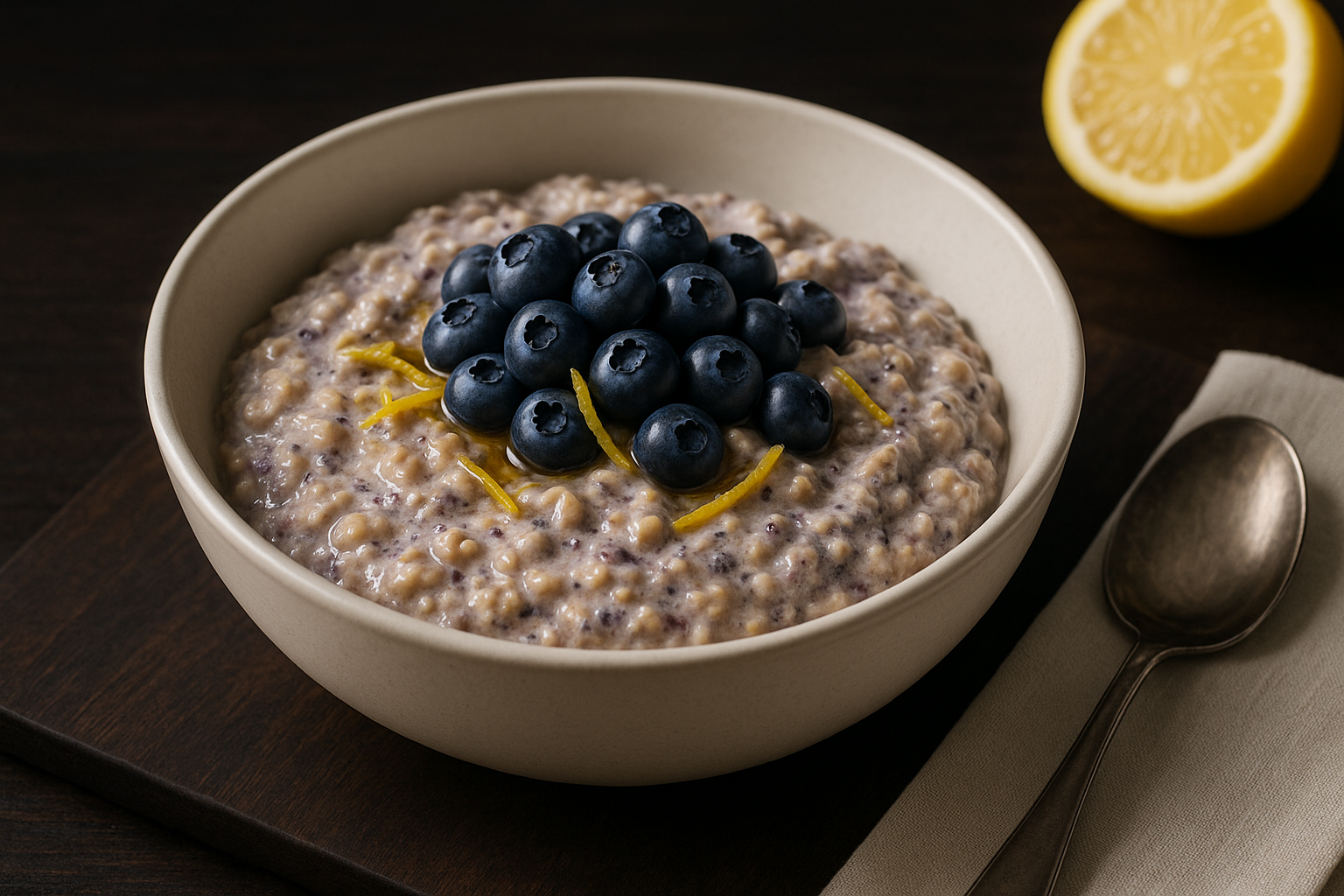 Image: Created for The Nutrient
Blueberry Lemon Chia Overnight Oats
A bright, make-ahead breakfast of oats, chia, lemon, and fresh blueberries.
View Recipe02 of 09
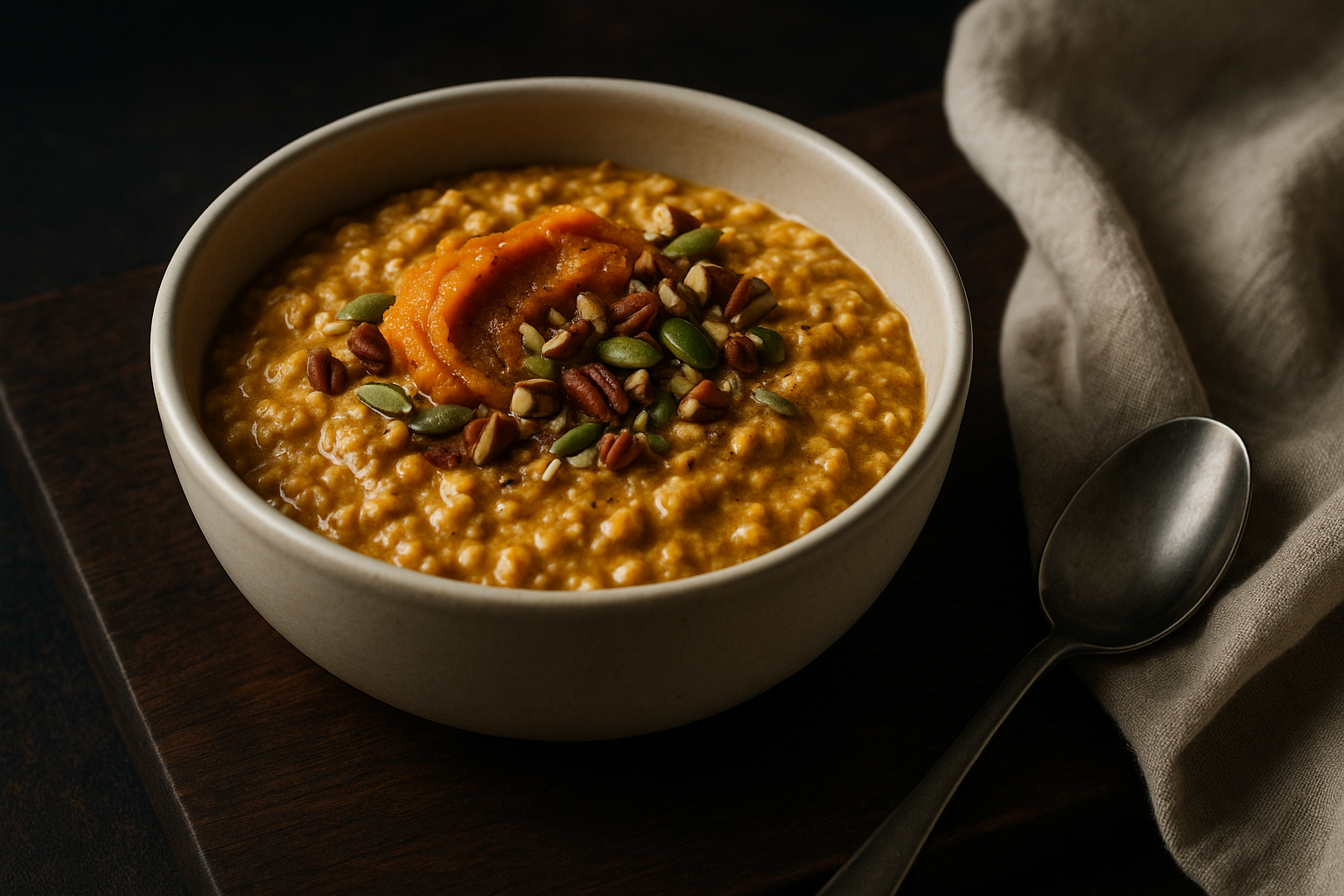 Image: Created for The Nutrient
Pumpkin Spice Flax Overnight Oats
A simple, make-ahead jar of pumpkin-spiced overnight oats with flaxseed for fiber and warm spice flavor.
View Recipe03 of 09
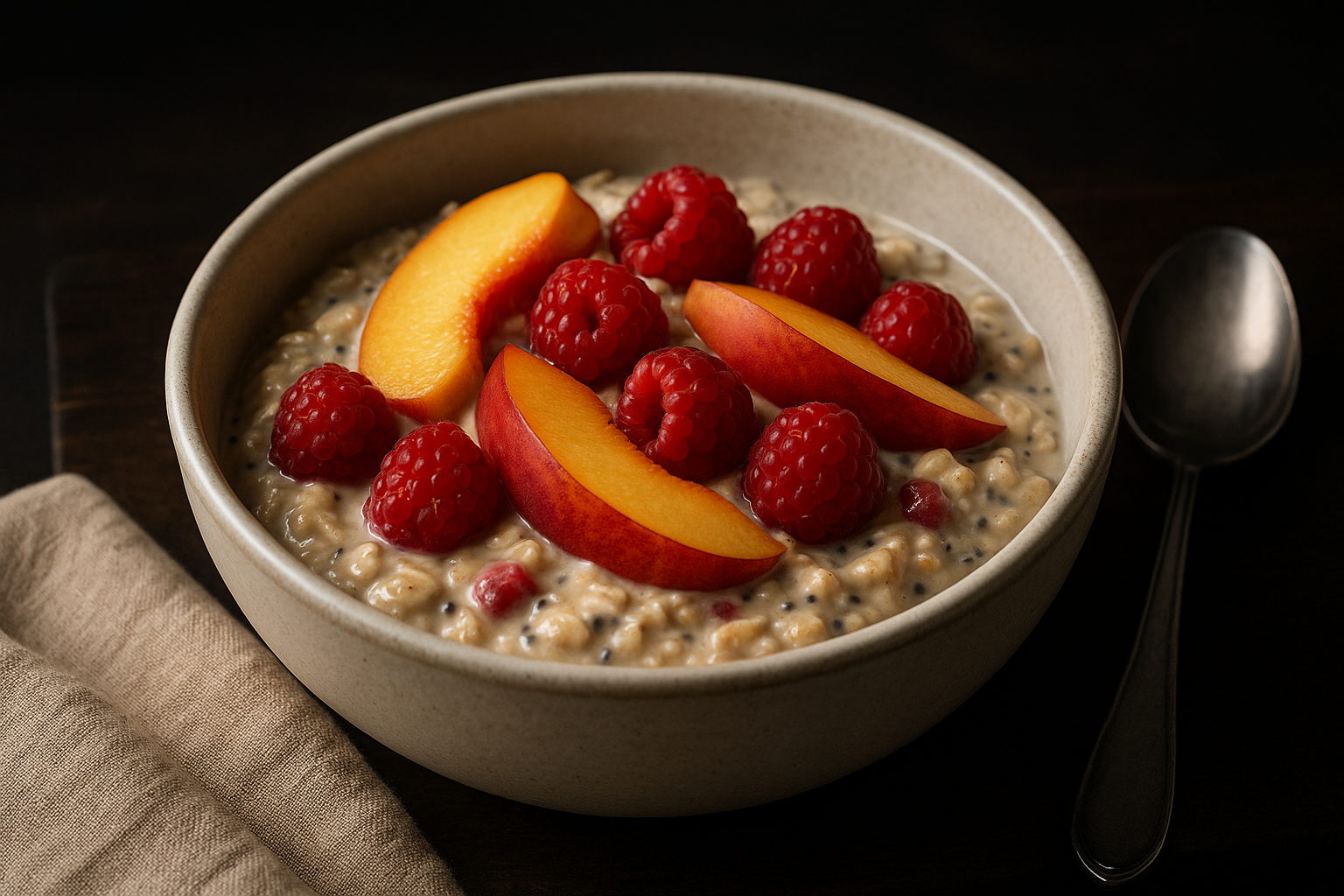 Image: Created for The Nutrient
Peach Raspberry Overnight Oats
A make-ahead, plant-forward peach and raspberry overnight oats recipe thickened with chia for a quick, fresh breakfast.
View Recipe04 of 09
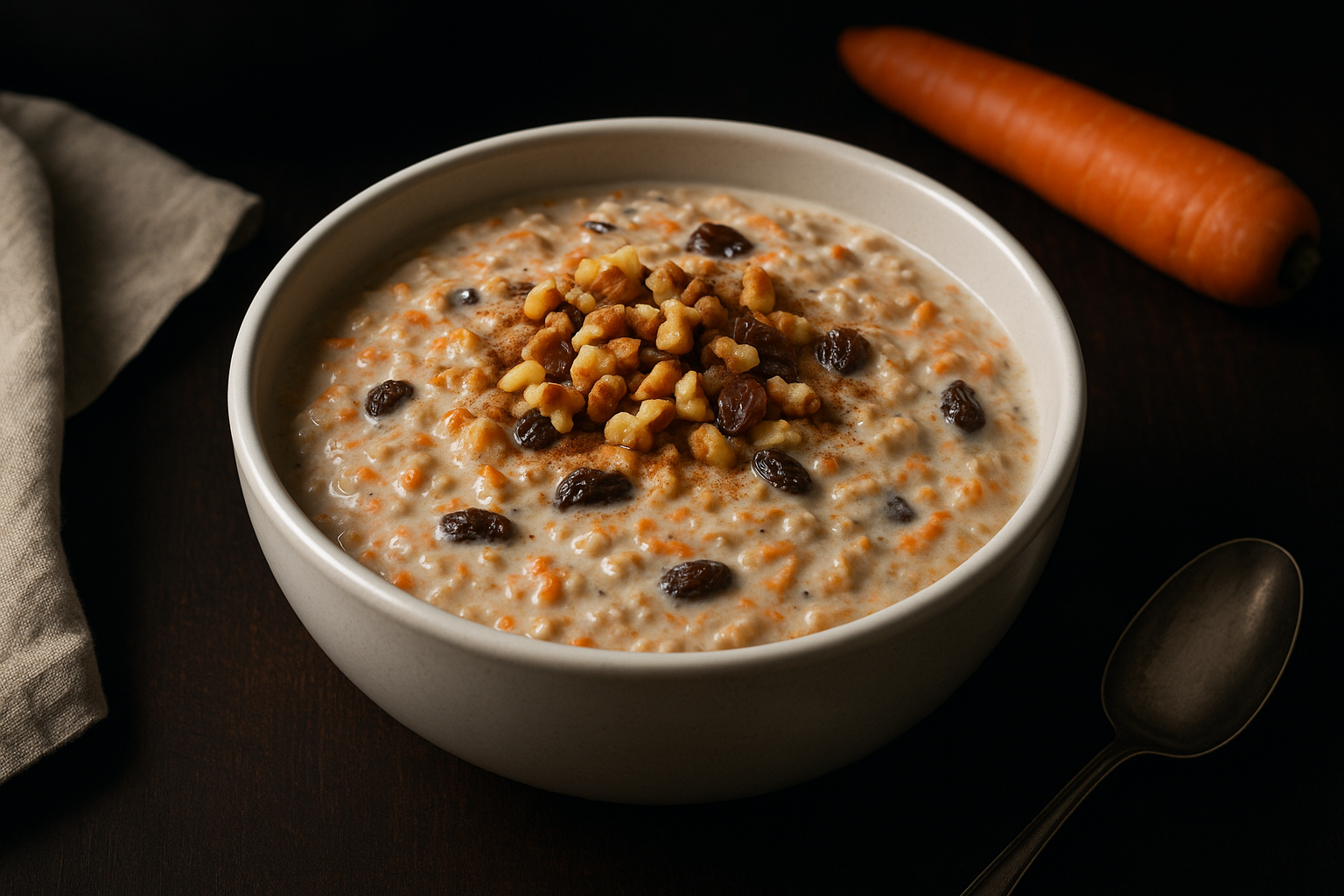 Image: Created for The Nutrient
Carrot Cake Overnight Oats
A no-cook, carrot cake–flavored overnight oats recipe with grated carrot, raisins, and warm spices.
View Recipe05 of 09
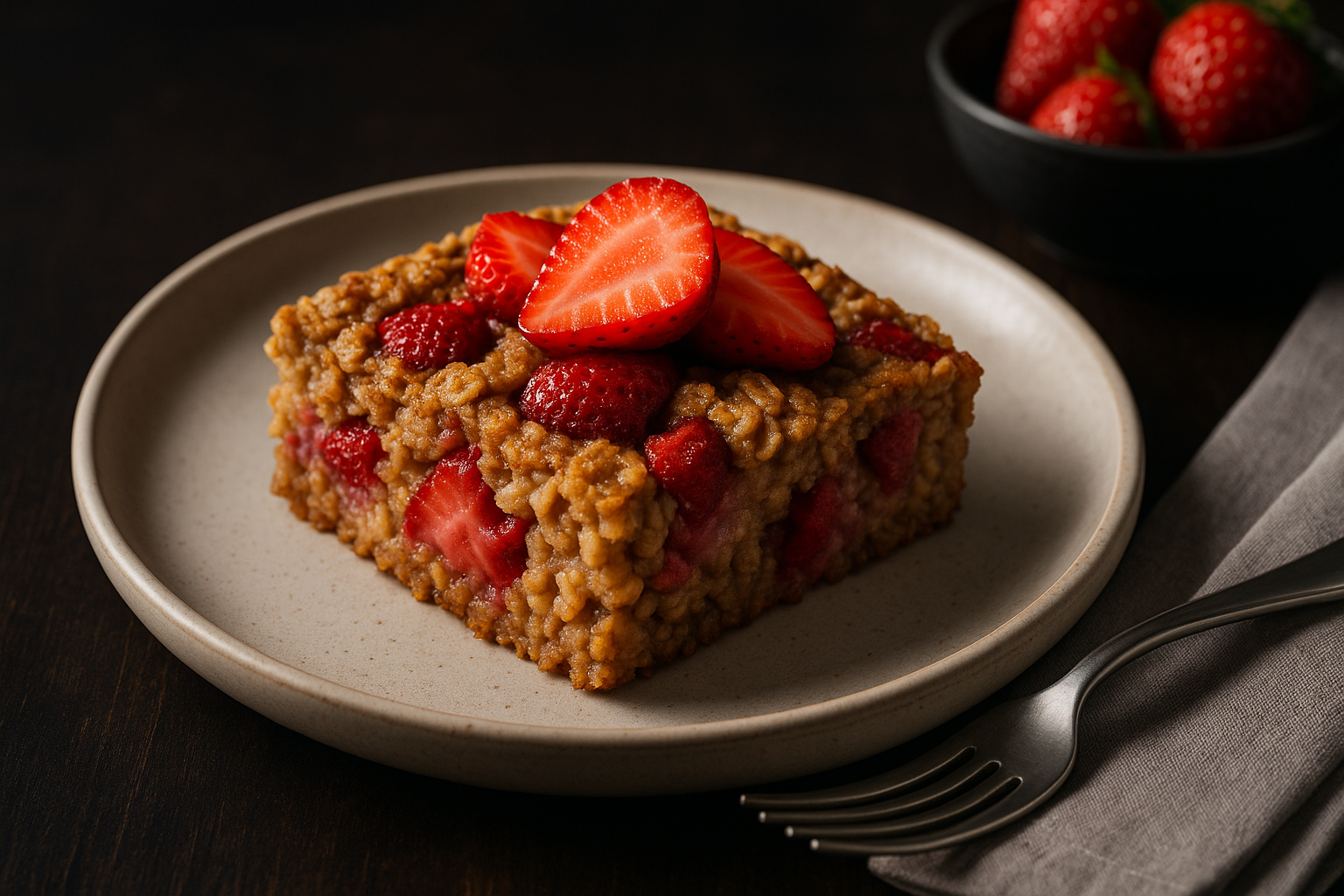 Image: Created for The Nutrient
Strawberry Banana Baked Oats
A simple, soft baked oats recipe with banana and strawberries that’s easy to prep ahead.
View Recipe06 of 09
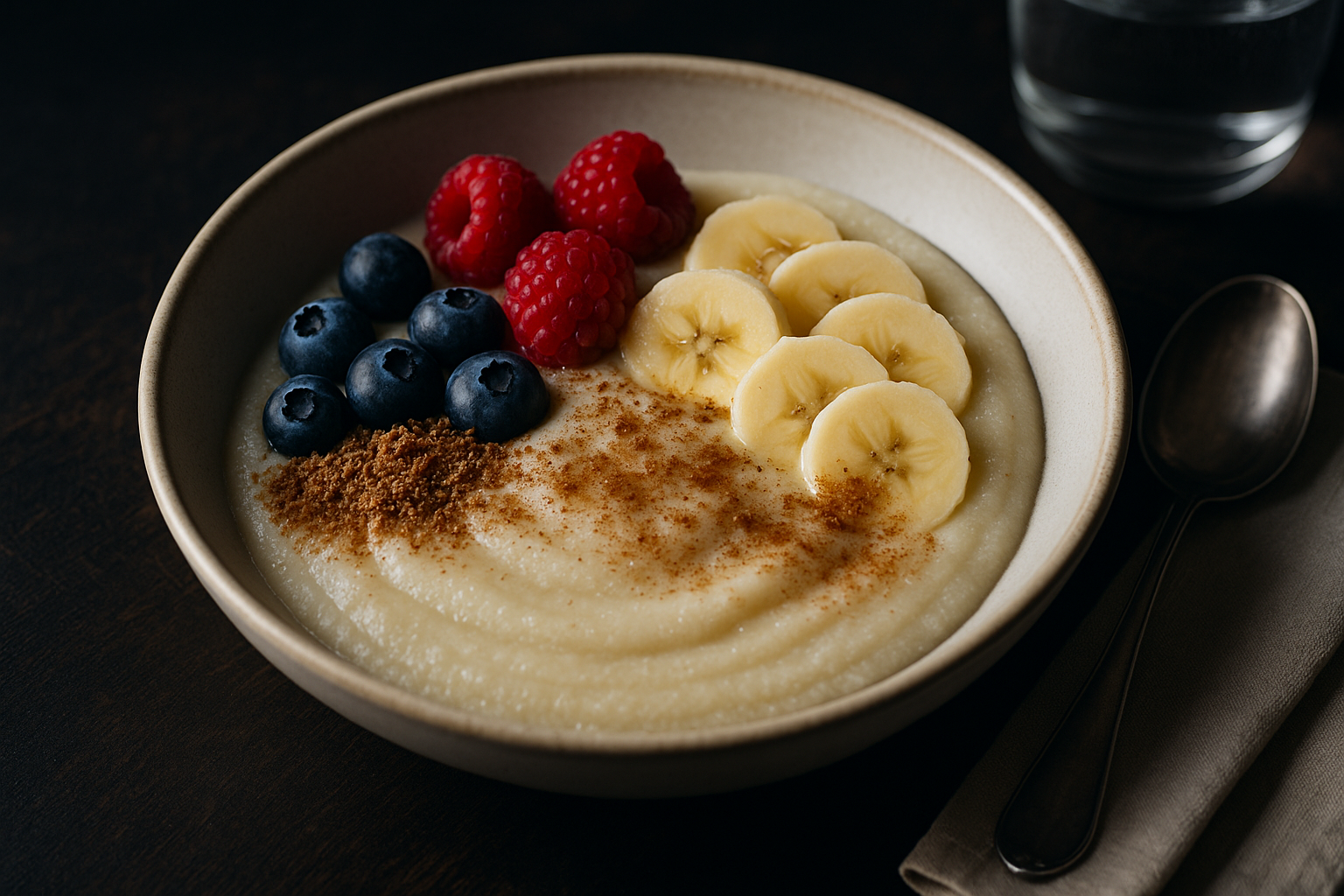 Image: Created for The Nutrient
Farina and Heart Health: A Complete Guide with 5 Recipes
A practical guide to choosing, cooking, and building heart-conscious farina bowls, plus five easy recipes and smart substitutions.
View Recipe07 of 09
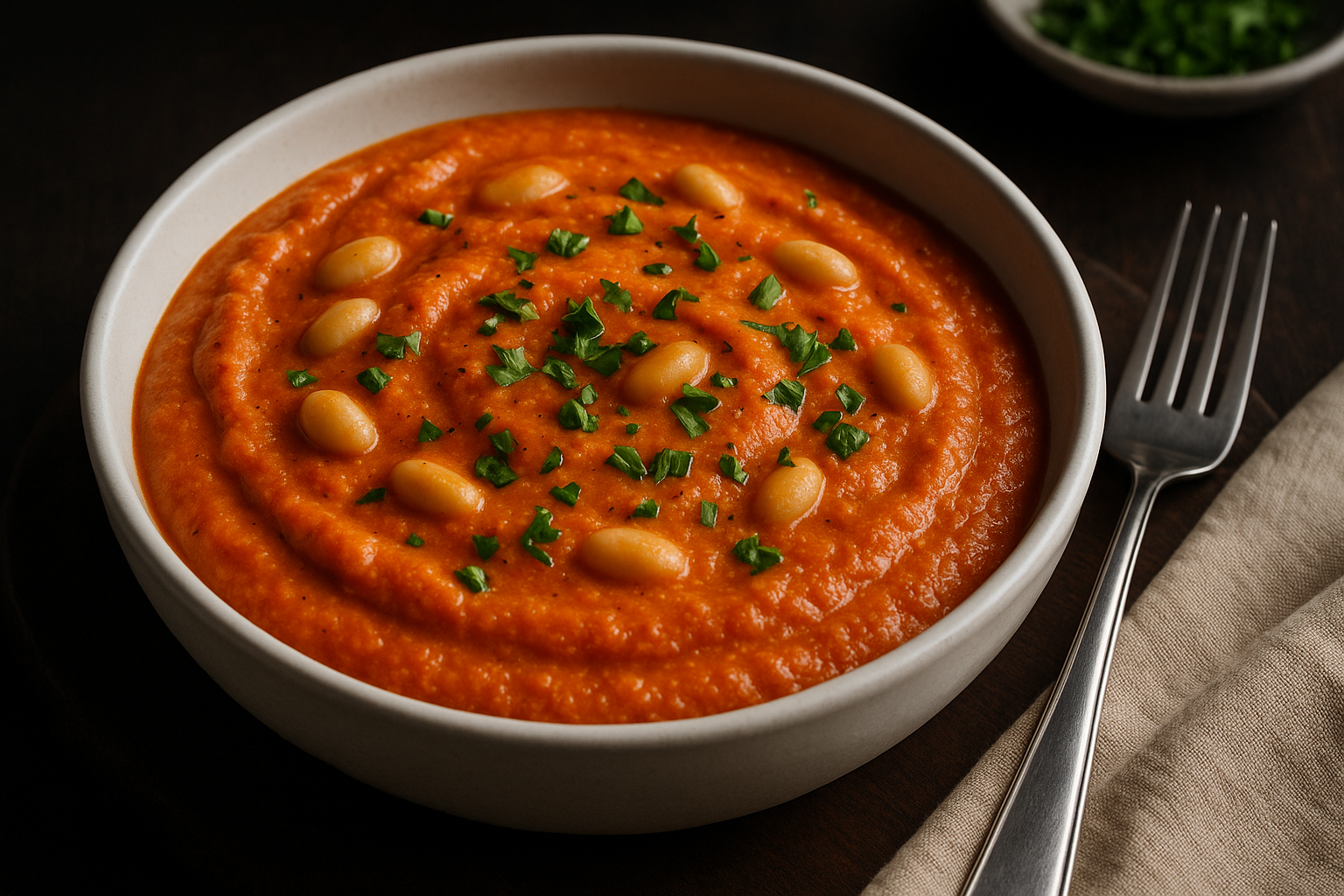 Image: Created for The Nutrient
Grits and Heart Health: A Complete Guide with 5 Recipes
A practical guide to grits, heart-conscious cooking, and five easy recipes.
View Recipe08 of 09
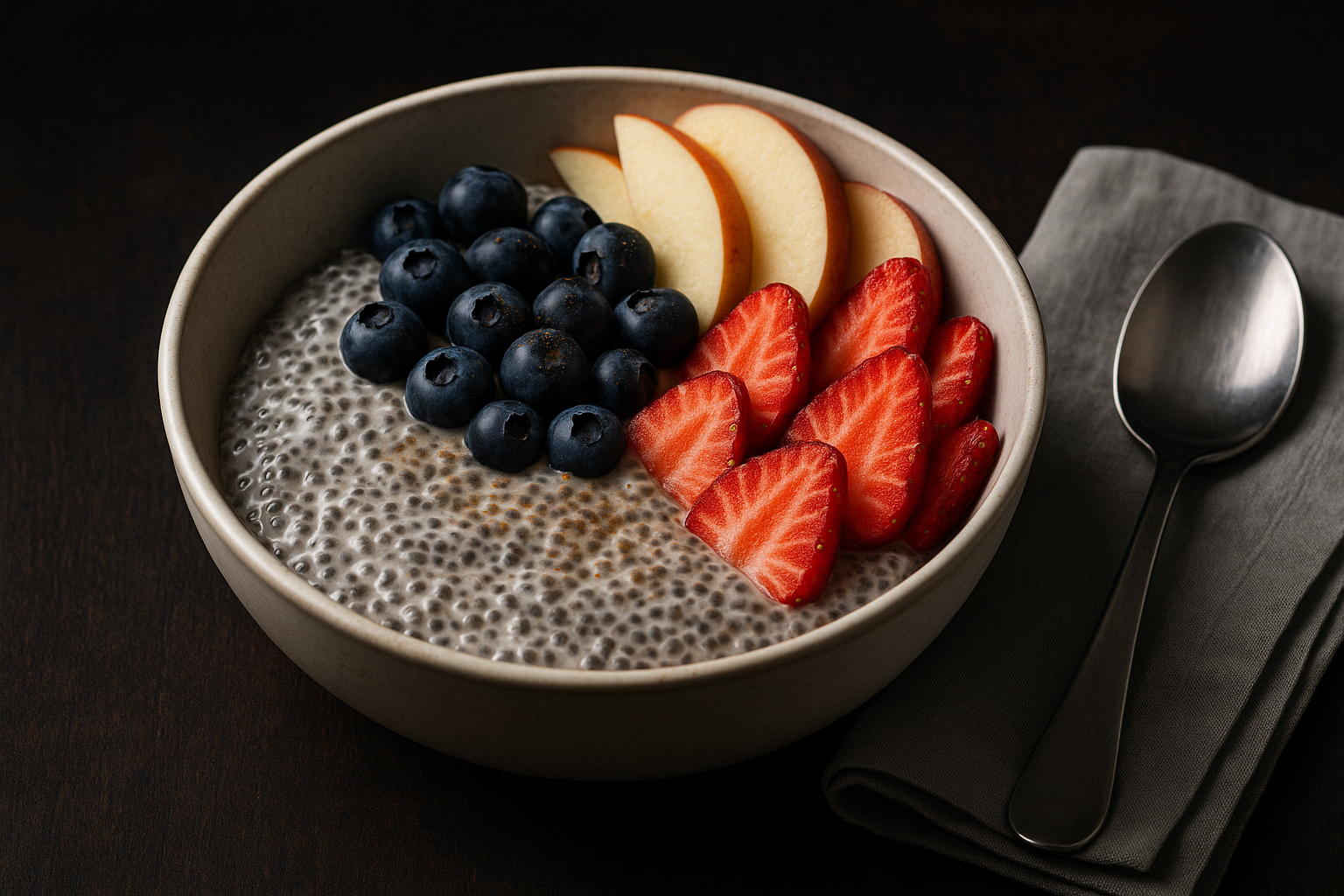 Image: Created for The Nutrient
Chia and Heart Health: A Complete Guide with 5 Recipes
A practical guide to chia and heart health with tips and five easy chia pudding recipes.
View Recipe09 of 09
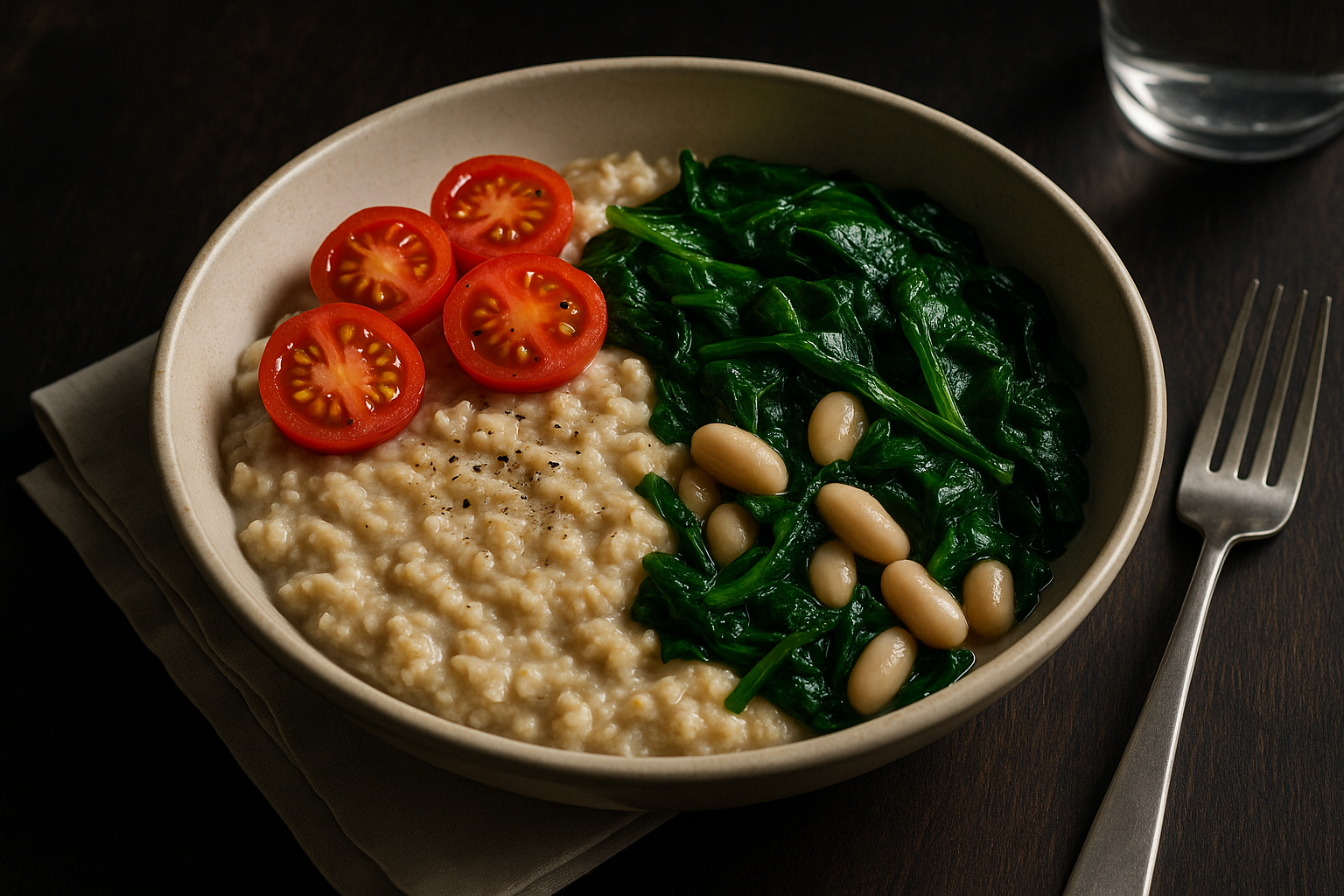 Image: Created for The Nutrient
10 Things That Make a Breakfast Heart-Healthy
Ten practical factors that contribute to a Breakfast Heart-Healthy morning meal.
View RecipeYOUR FEEDBACK
Was this page helpful?
Your answer helps us improve our recipes and guides.