
Grits and Heart Health: A Complete Guide with 5 Recipes
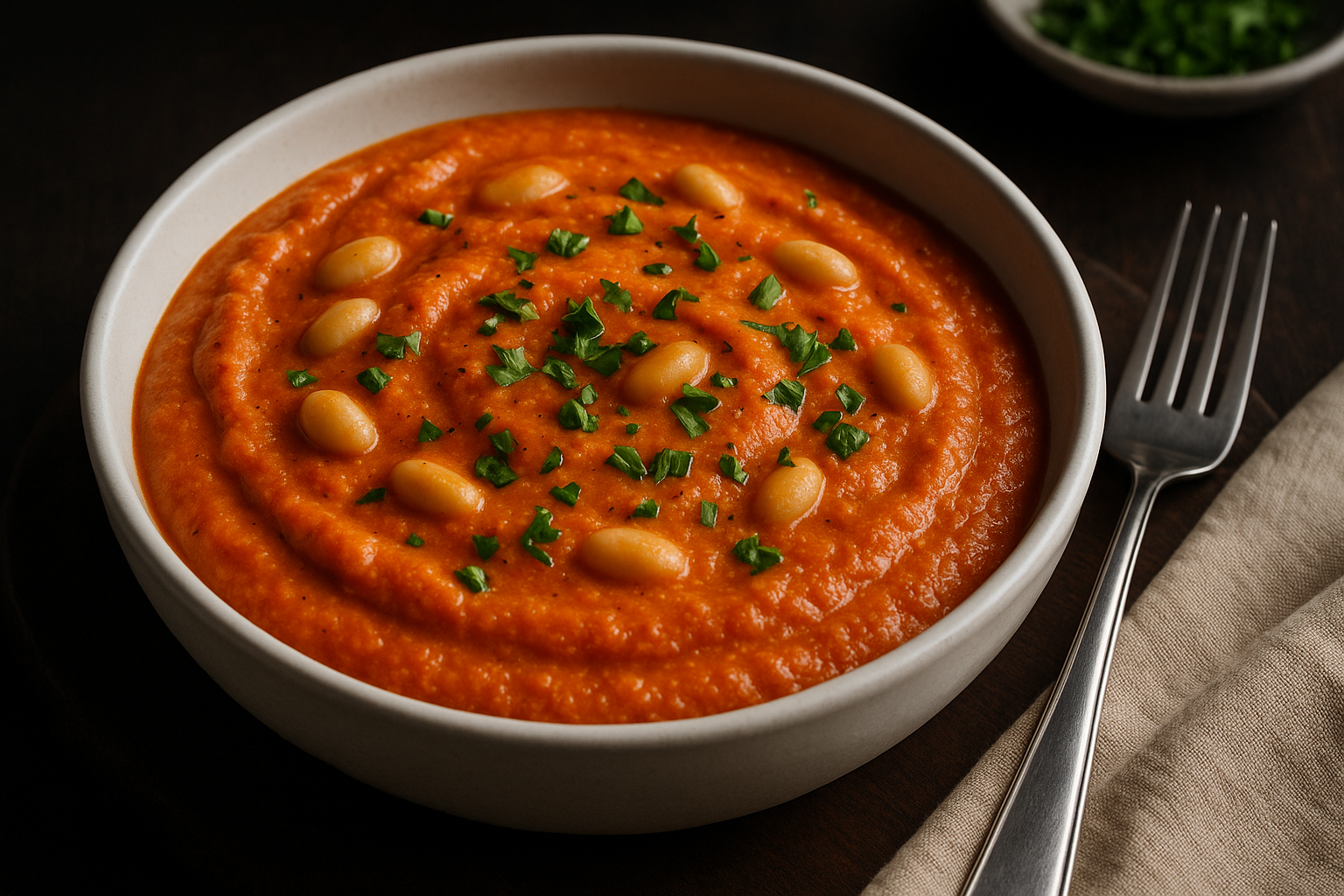
Image created for The Nutrient
A practical guide to grits, heart-conscious cooking, and five easy recipes.
Grits are a warm corn cereal with a long Southern tradition. Grits and Heart Health is about enjoying them in ways that favor whole grains, vegetables, and plant-forward swaps.
What are grits?
Grits are made from coarsely ground corn or hominy. Products range from stone-ground grits with pronounced corn flavor and texture to quick and instant varieties. Color alone does not tell you whether grits are whole grain, so read the ingredient list and Nutrition Facts label.
Are grits heart-healthy?
Plain grits are naturally low in fat, but many recipes add large amounts of butter, cheese, cream, or salted meats. A heart-conscious bowl emphasizes the grain plus vegetables, beans, herbs, spices, and low-sodium liquids instead.
Grits and Heart Health
When you choose whole-grain or less-refined grits, and add fiber-rich toppings, grits can fit a heart-conscious pattern. However, high amounts of saturated fat and sodium change the profile quickly. Therefore, aim for vegetables, legumes, citrus, and umami-rich seasonings rather than butter and bacon.
How to shop for grits
- Look for plain grits with little or no added sodium.
- Compare fiber between brands and consider stone-ground or whole-grain-labeled options.
- Skip flavored packets with added sodium and saturated fat.
- If avoiding gluten, select a product specifically labeled gluten-free because cross-contact can occur during processing.
How to make creamy grits without butter or cheese
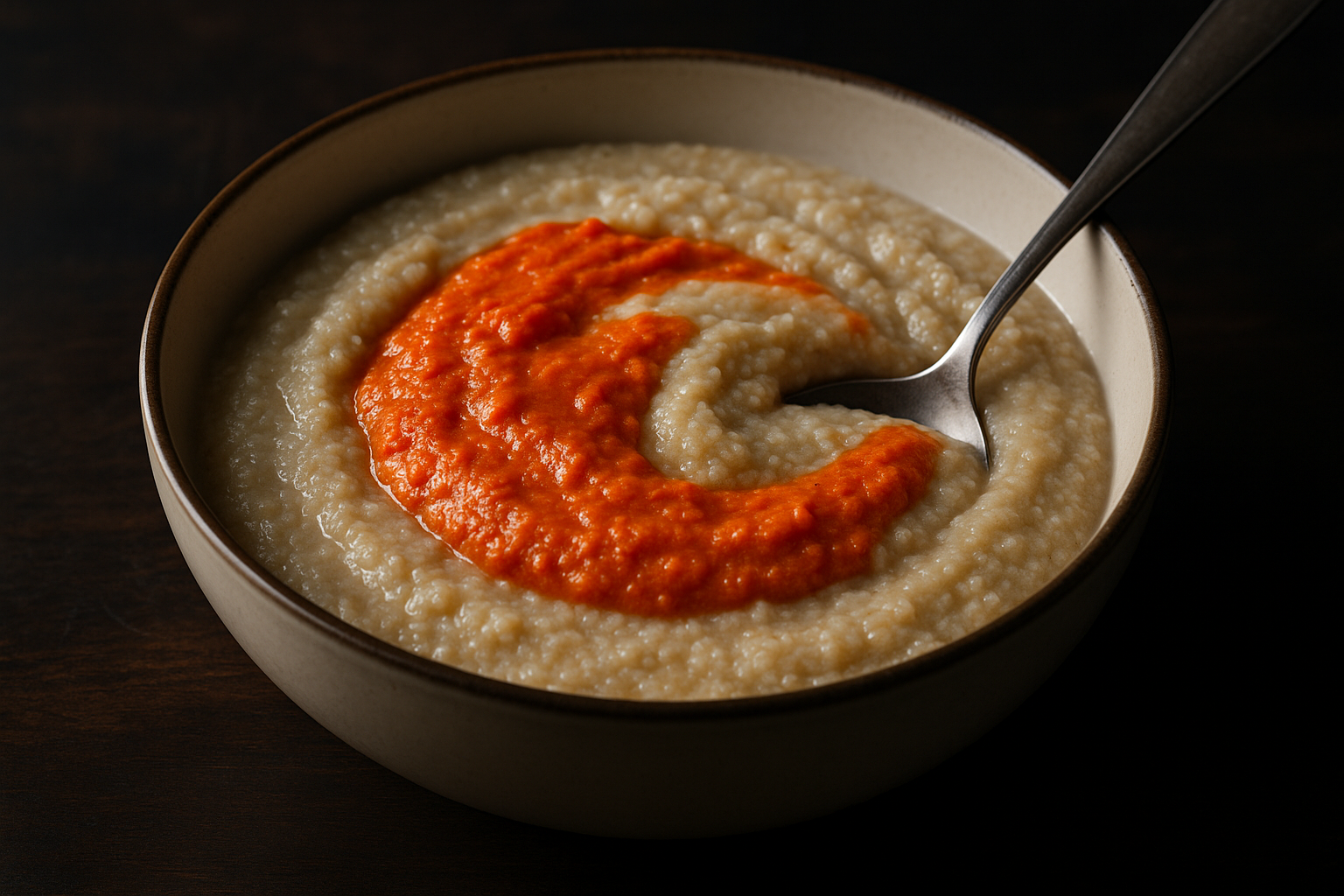
Cook grits slowly and stir frequently. Their starch creates creaminess on its own. Blended roasted pepper, pumpkin, white beans, or cauliflower add body. Nutritional yeast, smoked paprika, lemon, herbs, and black pepper add flavor without creating a heavy cheese sauce.
Creamy Plant-Based Grits (4 servings)
Servings: 4. Prep time: 5 minutes. Cook time: 20–30 minutes depending on grits type.
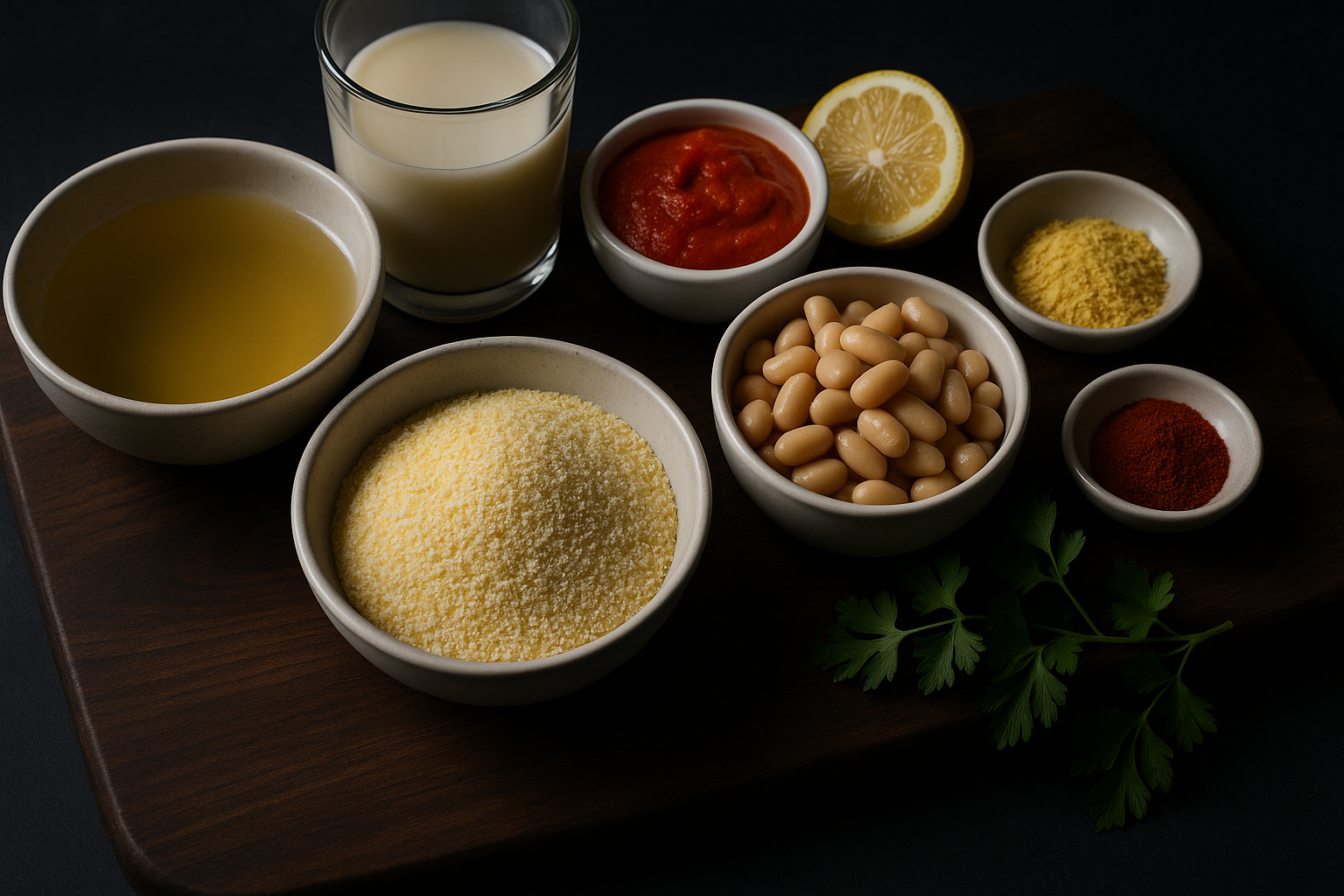
Ingredients
- 1 cup stone-ground or coarse grits (or 1 cup quick grits; see substitutions)
- 4 cups low-sodium vegetable broth or water
- 1 cup unsweetened plant milk (soy, oat, or almond)
- 1 cup cooked white beans (cannellini or great northern) — optional for extra creaminess and protein
- 1 medium roasted red pepper, peeled and pureed (or 1/2 cup canned roasted red peppers, drained)
- 2 teaspoons nutritional yeast
- 1/2 teaspoon smoked paprika
- Salt to taste (start with 1/4 teaspoon) and freshly ground black pepper
- Chopped fresh herbs (chives, parsley, or cilantro) to finish
Instructions
- Combine the vegetable broth and plant milk in a medium saucepan and bring to a gentle simmer.
- Slowly whisk in the grits, reduce heat to low, and simmer. For stone-ground, cook 25–30 minutes, stirring frequently. For quick grits, cook 5–7 minutes. Stir often to release starch and build creaminess.
- Meanwhile, in a blender, combine the cooked white beans and roasted red pepper with 2 tablespoons of water. Blend to a smooth puree.
- When grits are tender and creamy, stir in the bean–pepper puree, nutritional yeast, smoked paprika, salt, and pepper. Heat through and adjust thickness with a splash of water or plant milk if needed.
- Serve warm and garnish with fresh herbs. For extra texture, add steamed greens, sautéed mushrooms, or a spoonful of salsa.
Yield and notes: Makes about 4 generous bowls. For quick grits, reduce cook time and add the puree after the grits are ready.
Substitutions and swaps
- If you prefer a thinner texture, use 4 1/2 cups liquid instead of 5.
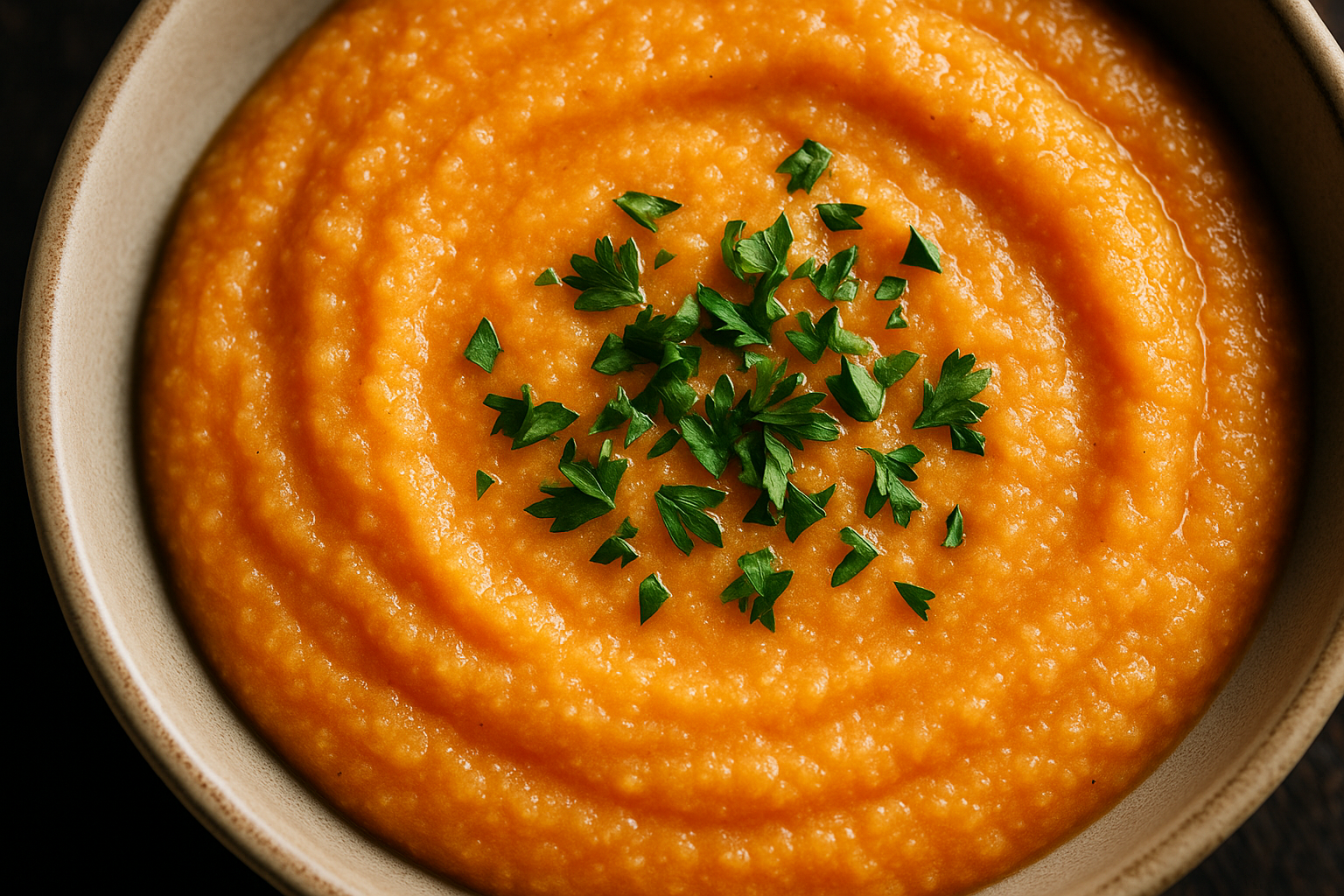
- To replace white beans, use 1/2 cup cooked pumpkin or cauliflower puree for a similar creamy result.
- Egg-free: this recipe is naturally egg-free.
- Oil-free: the recipe is oil-free; if you usually cook with oil, dry-sauté mushrooms or use a little water to prevent sticking.
- If you like a dairy flavor, use 2 tablespoons nutritional yeast rather than cheese.
Storage and reheating
Refrigerate leftovers in an airtight container for 3–4 days. Reheat gently on the stove with a splash of water or plant milk, stirring until smooth. For frozen storage, portion into freezer-safe containers for up to 2 months.
Practical nutrition context
This version emphasizes whole grains, plant protein, and vegetables. Therefore, it increases fiber and plant-based nutrients compared with a butter-and-cheese bowl. In addition, using low-sodium broth helps control added sodium. This article provides general food education and not medical advice.
Heart rating for the recipe above: 5 of 5 hearts — no meat, dairy, eggs, or cooking oil are used. If you add butter, cheese, or eggs, choose the plant-forward swaps listed below to retain more heart-friendly benefits.
If you want traditional toppings: swaps and guidance
- Butter or ghee? Try mashed white beans, avocado, or 1–2 tablespoons of unsweetened plant milk for creaminess instead.
- Cheese? Try nutritional yeast, blended cashews and lemon (for a richer sauce), or extra herbs and lemon zest.
- Bacon or sausage? Try smoked mushrooms, tempeh bacon (use sparingly), or chopped roasted chickpeas for crunch and umami.
- Eggs? Instead of fried eggs, add sautéed tofu crumbles seasoned with turmeric and black salt for an egg-like flavor without eggs.
- Oil-based sautés? Use a splash of water, stock, or vegetable broth to sauté vegetables when you prefer oil-free cooking.
Five grits recipes
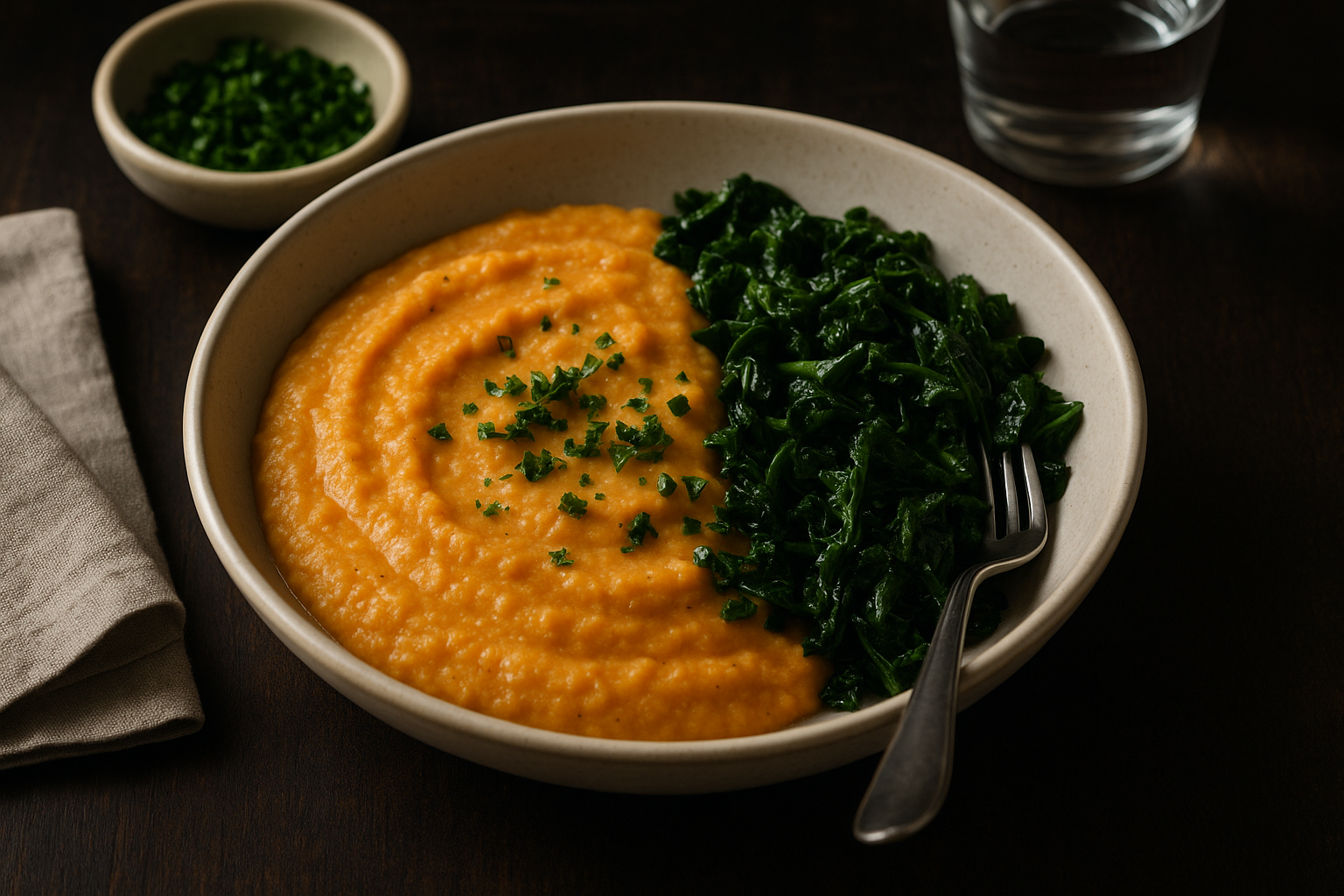
- Creamy Plant-Based Grits with Greens
- Tomato Basil Grits Bowl
- Mushroom Spinach Grits
- Black Bean Corn Grits Breakfast Bowl
- Roasted Red Pepper Grits with White Beans
Grits versus oatmeal and farina
Grits are corn-based, farina is wheat-based, and oatmeal is oat-based. Oats have the strongest specific evidence for beta-glucan soluble fiber. Standard farina and many grits are more refined, so label reading and fiber-rich toppings matter more.
Sources and medical note
See the American Heart Association’s grain and fiber guidance and the FDA’s dietary-fiber overview. This article provides general food education and is not medical advice. For more practical recipes and guides, visit The Nutrient homepage.
Explore the heart-conscious breakfast grain series

01 of 09
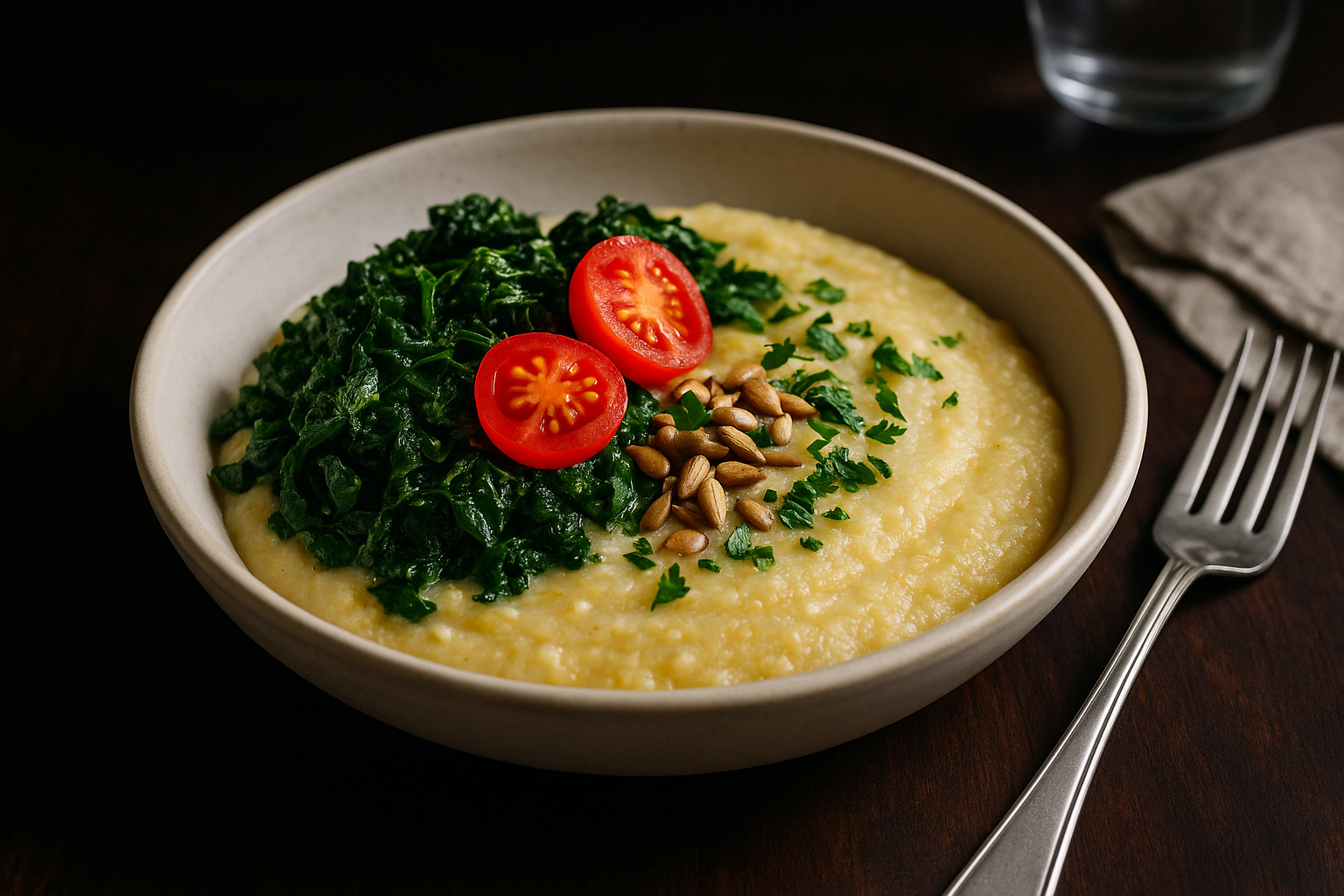 Image: Created for The Nutrient
Creamy Plant-Based Grits with Greens
An easy, oil-free plant-forward grits recipe with greens, quick swaps, storage tips, and a heart-health rating.
View Recipe02 of 09
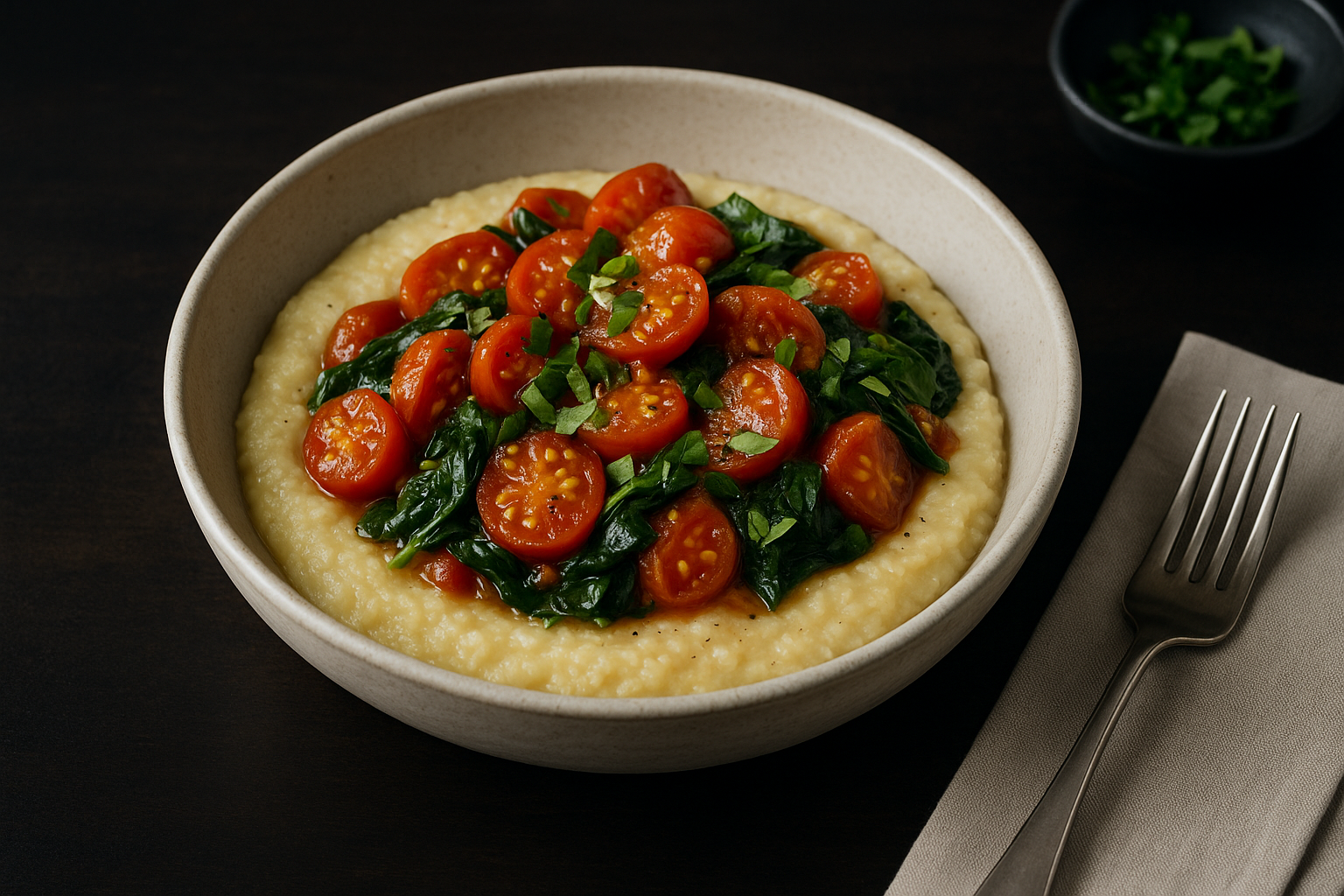 Image: Created for The Nutrient
Tomato Basil Grits Bowl
A plant-forward, oil-free Tomato Basil Grits Bowl—stone-ground grits topped with tomatoes, spinach, and fresh basil for 4 servings in 30 minutes.
View Recipe03 of 09
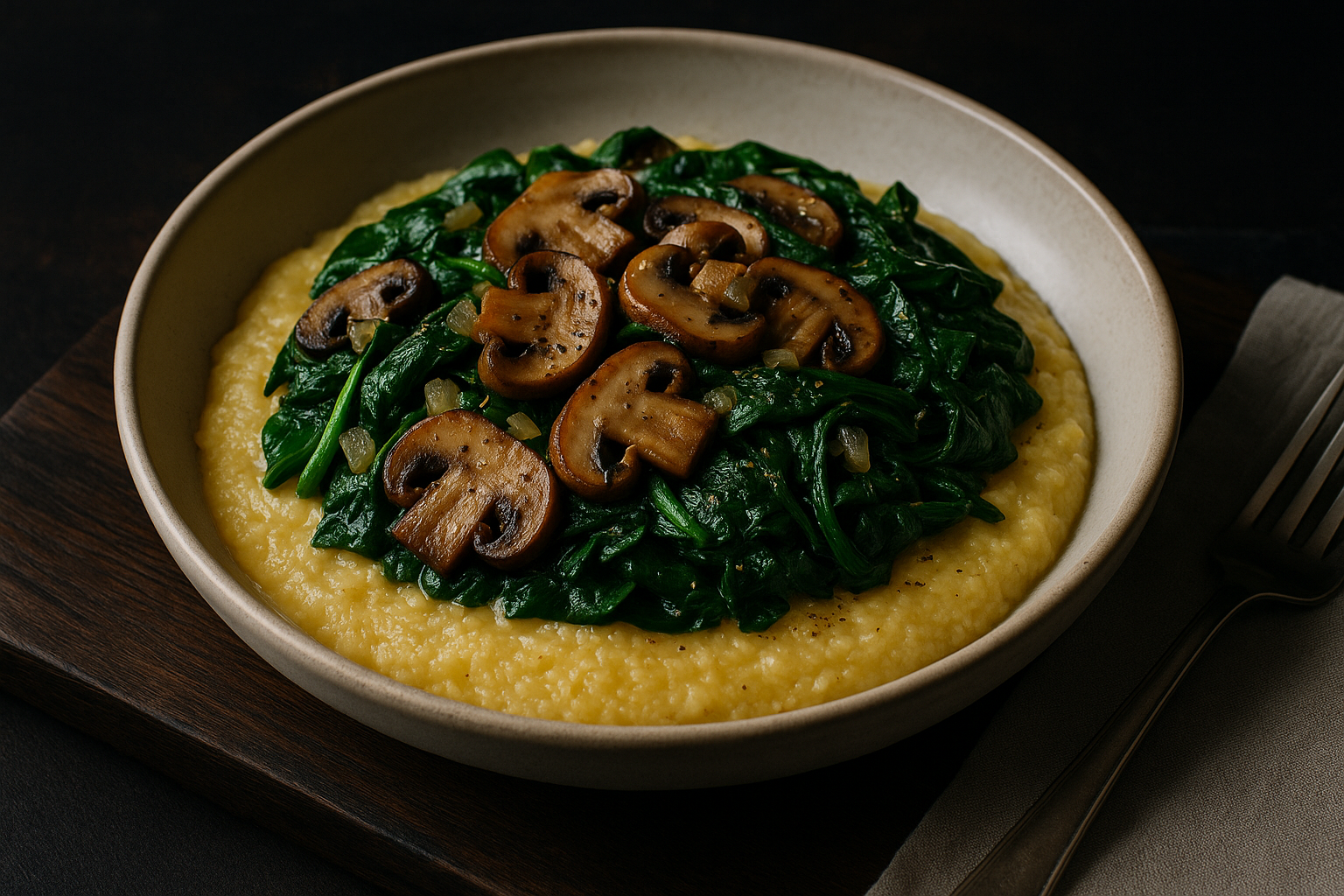 Image: Created for The Nutrient
Mushroom Spinach Grits
A plant-forward, oil-free bowl of mushroom spinach grits for four, ready in 35 minutes.
View Recipe04 of 09
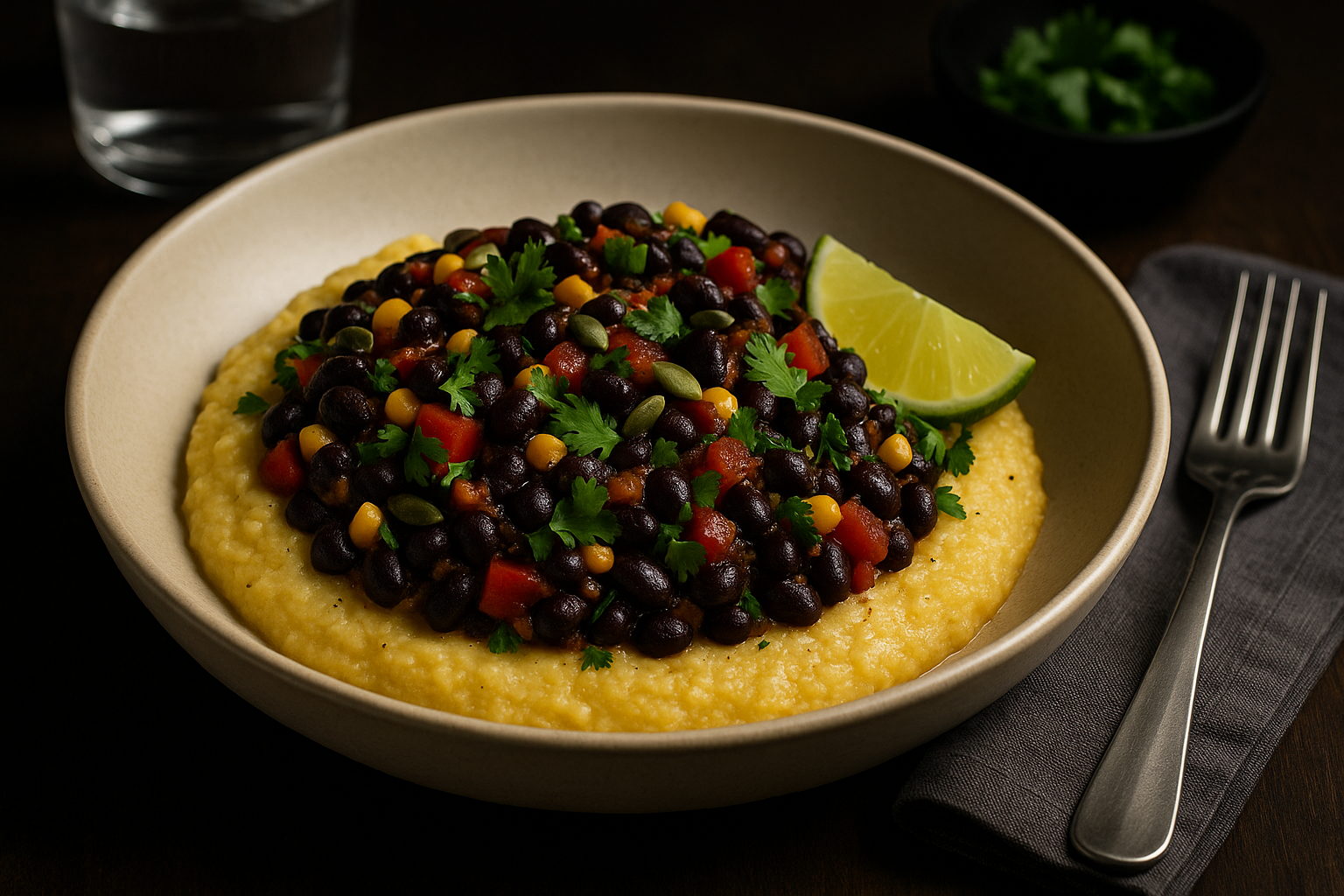 Image: Created for The Nutrient
Black Bean Corn Grits Breakfast Bowl
A plant-forward, oil-free breakfast bowl of stone-ground grits topped with black beans, corn, tomatoes, lime, and cilantro.
View Recipe05 of 09
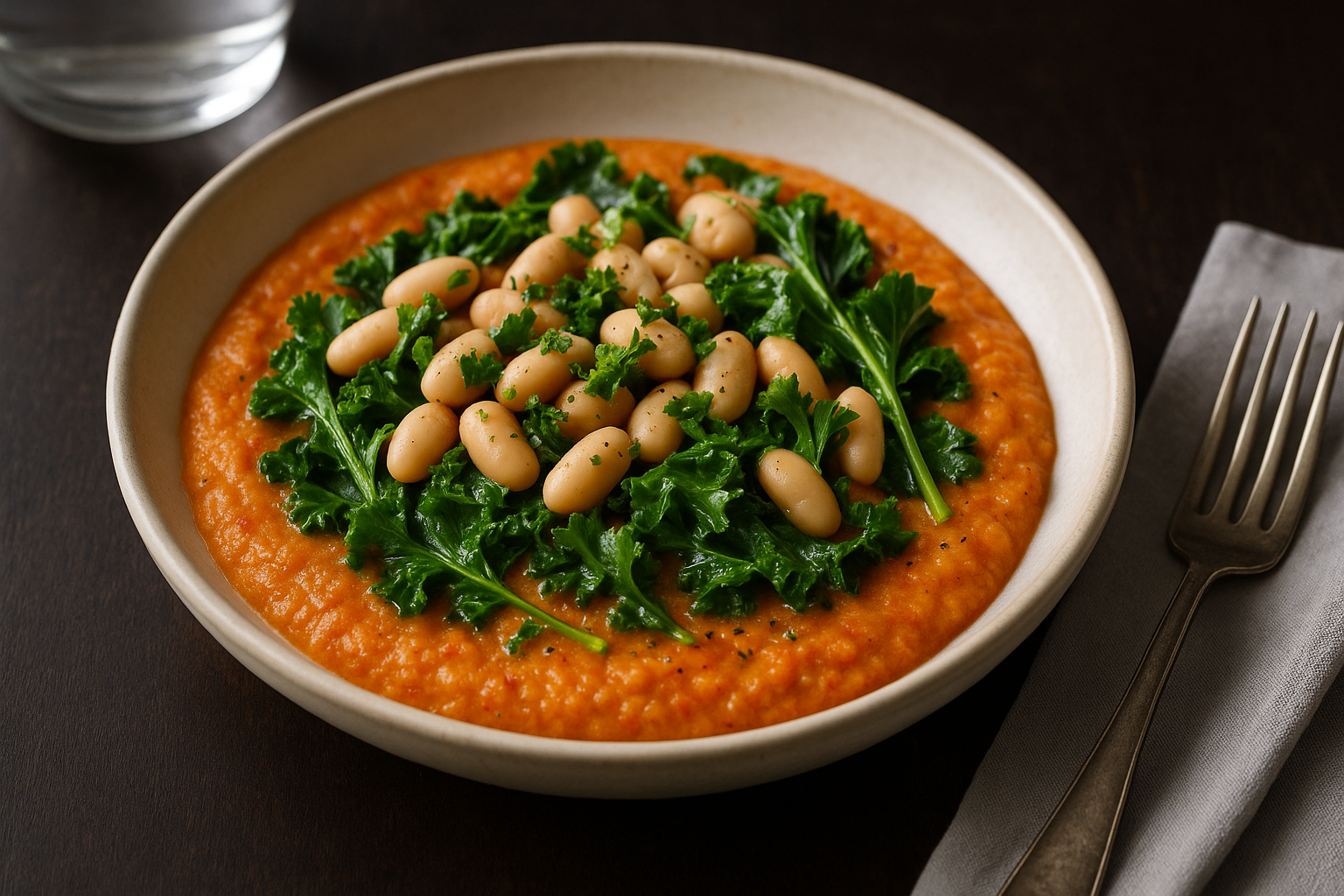 Image: Created for The Nutrient
Roasted Red Pepper Grits with White Beans
A savory, oil-free grits bowl with roasted red pepper, white beans, and kale—ready in 35 minutes.
View Recipe06 of 09
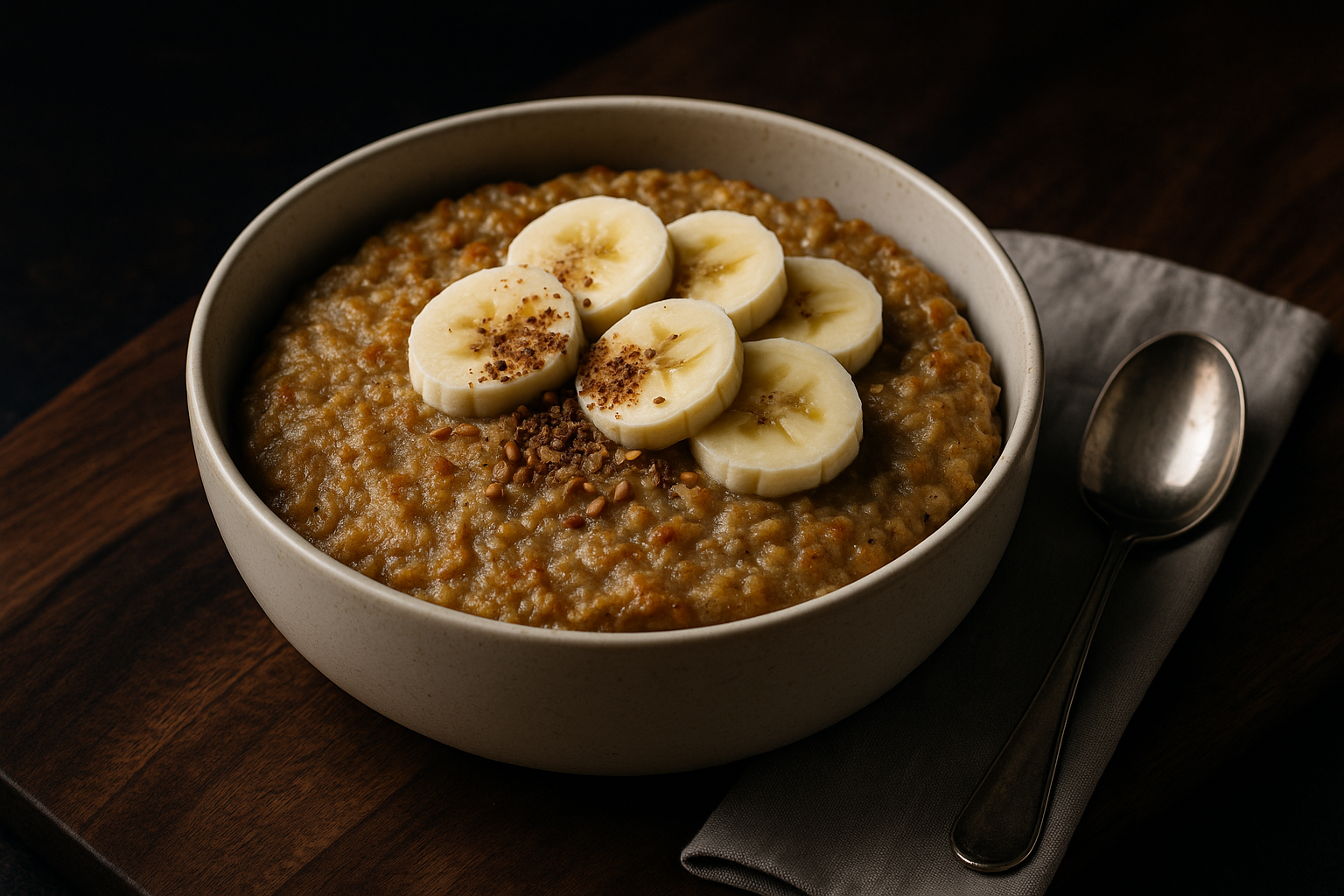 Image: Created for The Nutrient
Oatmeal and Heart Health: A Complete Guide with 5 Recipes
A practical, heart-conscious guide to oats with simple tips, five easy recipes, and helpful storage and substitution advice.
View Recipe07 of 09
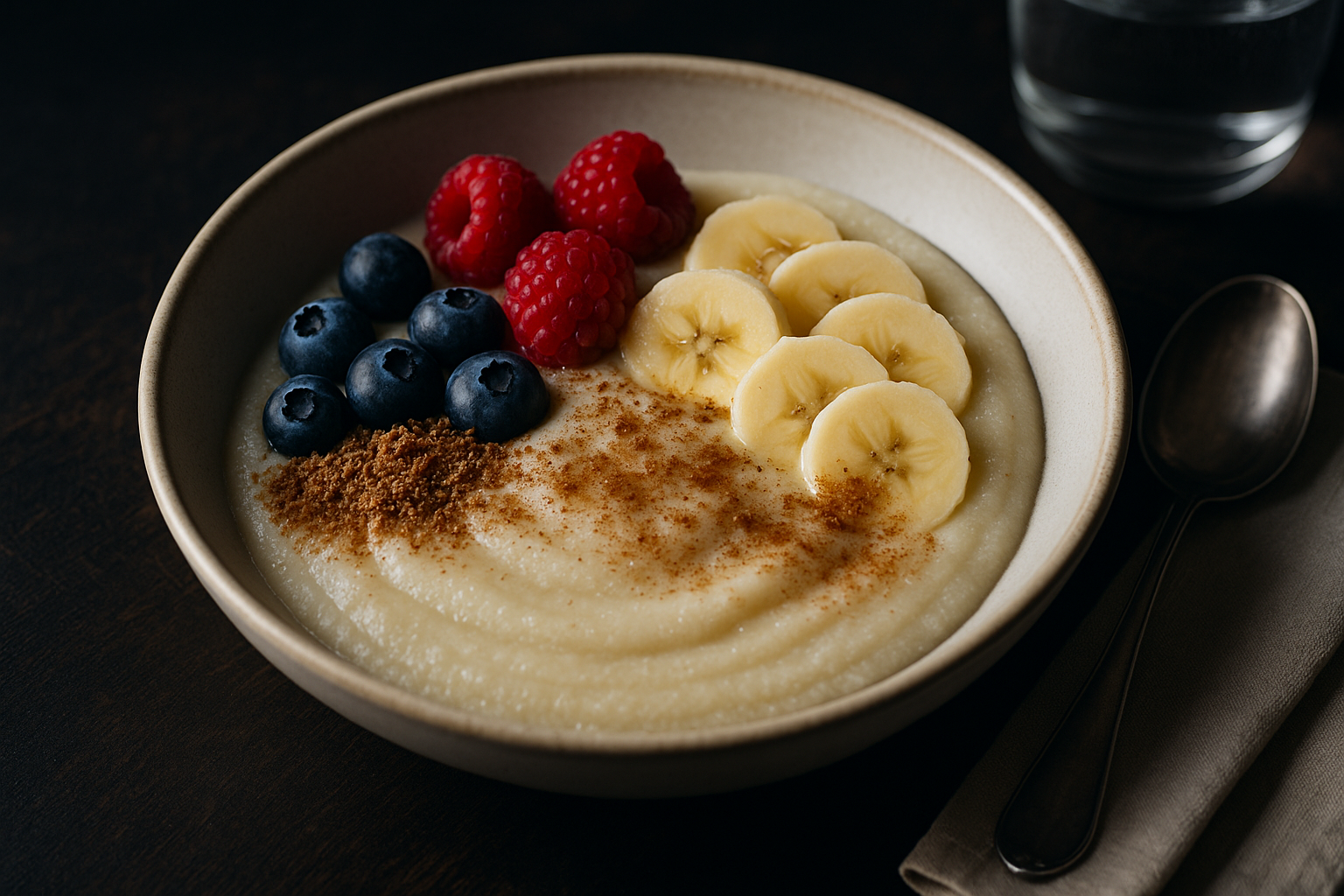 Image: Created for The Nutrient
Farina and Heart Health: A Complete Guide with 5 Recipes
A practical guide to choosing, cooking, and building heart-conscious farina bowls, plus five easy recipes and smart substitutions.
View Recipe08 of 09
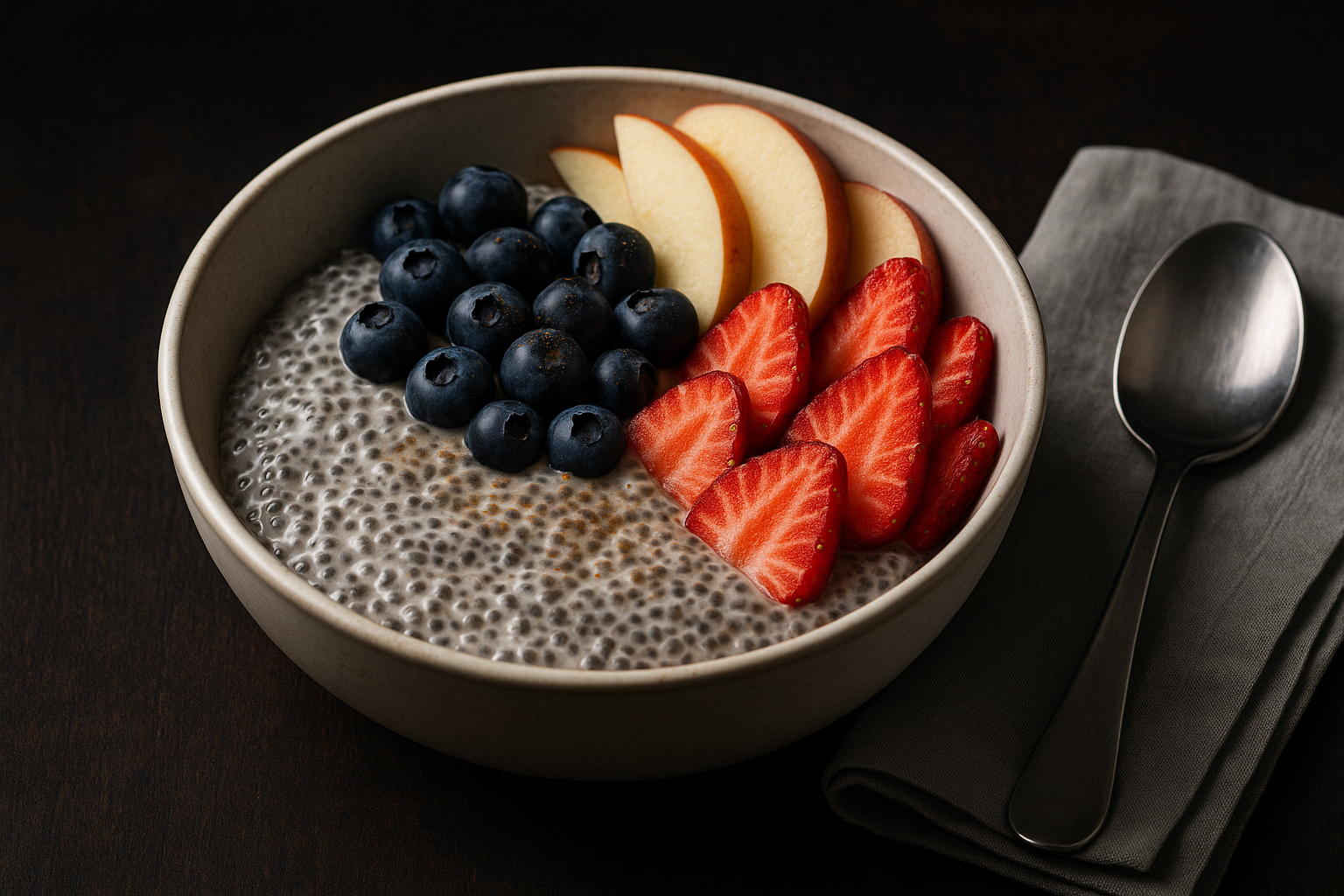 Image: Created for The Nutrient
Chia and Heart Health: A Complete Guide with 5 Recipes
A practical guide to chia and heart health with tips and five easy chia pudding recipes.
View Recipe09 of 09
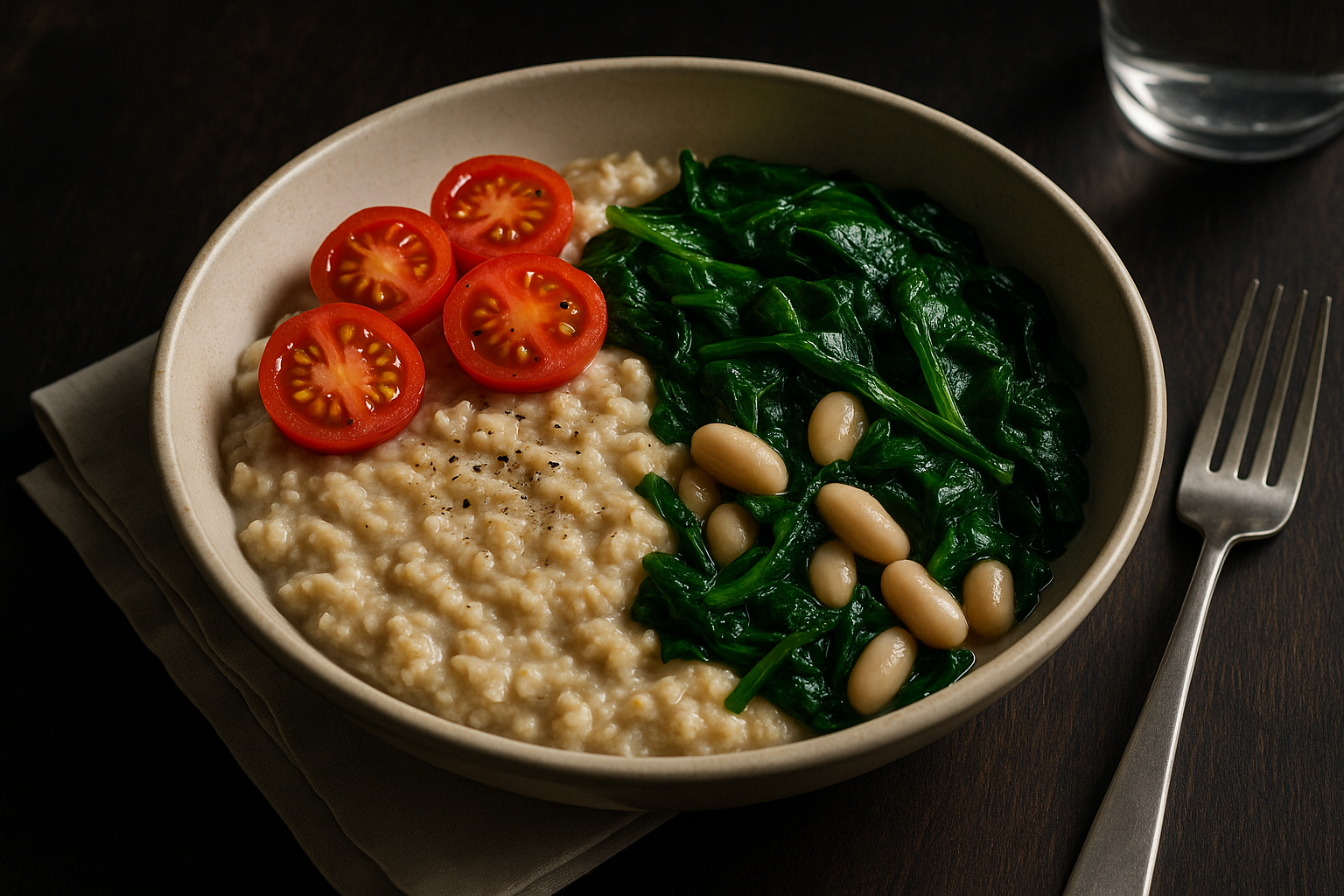 Image: Created for The Nutrient
10 Things That Make a Breakfast Heart-Healthy
Ten practical factors that contribute to a Breakfast Heart-Healthy morning meal.
View RecipeYOUR FEEDBACK
Was this page helpful?
Your answer helps us improve our recipes and guides.