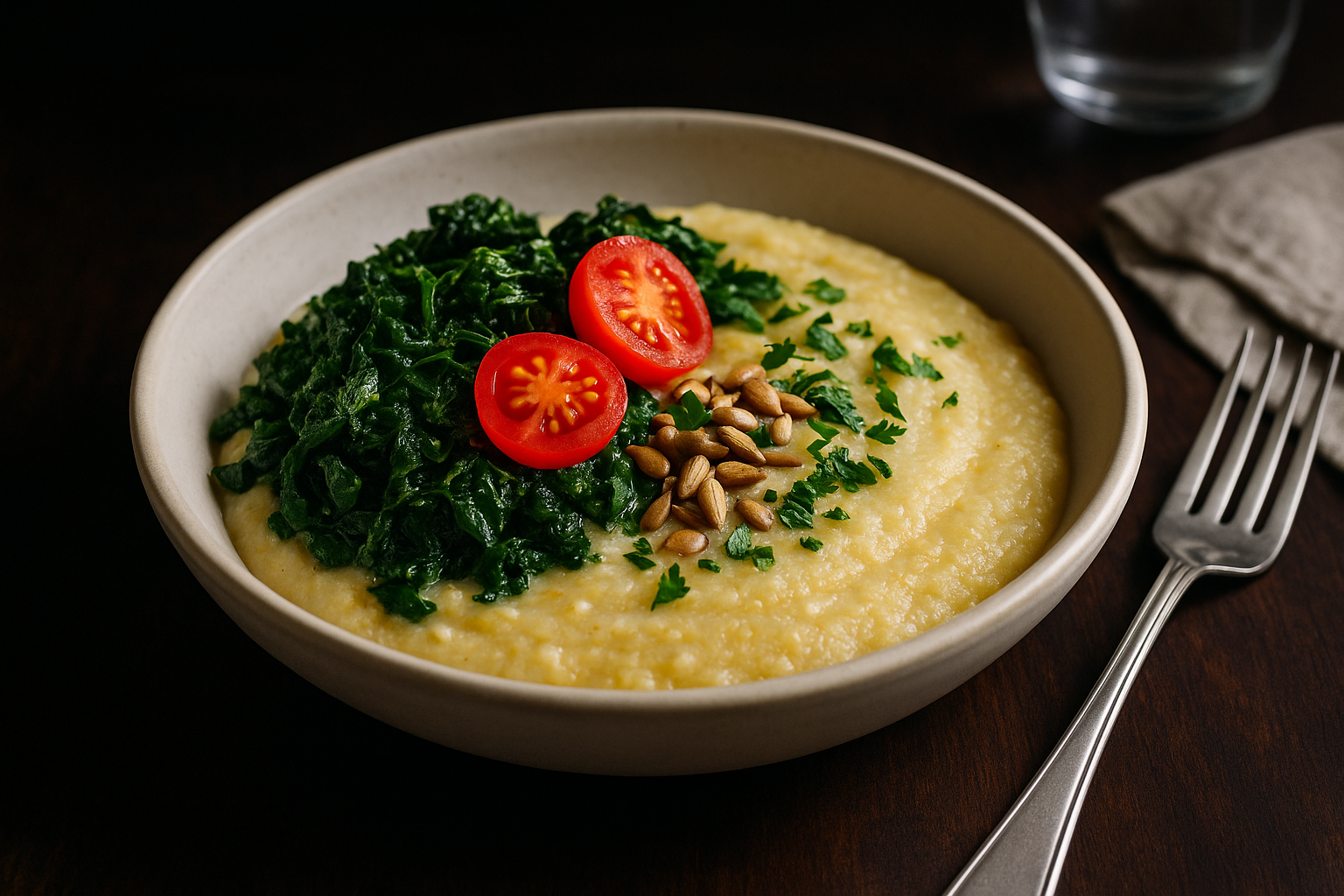
10 Things That Make a Breakfast Heart-Healthy
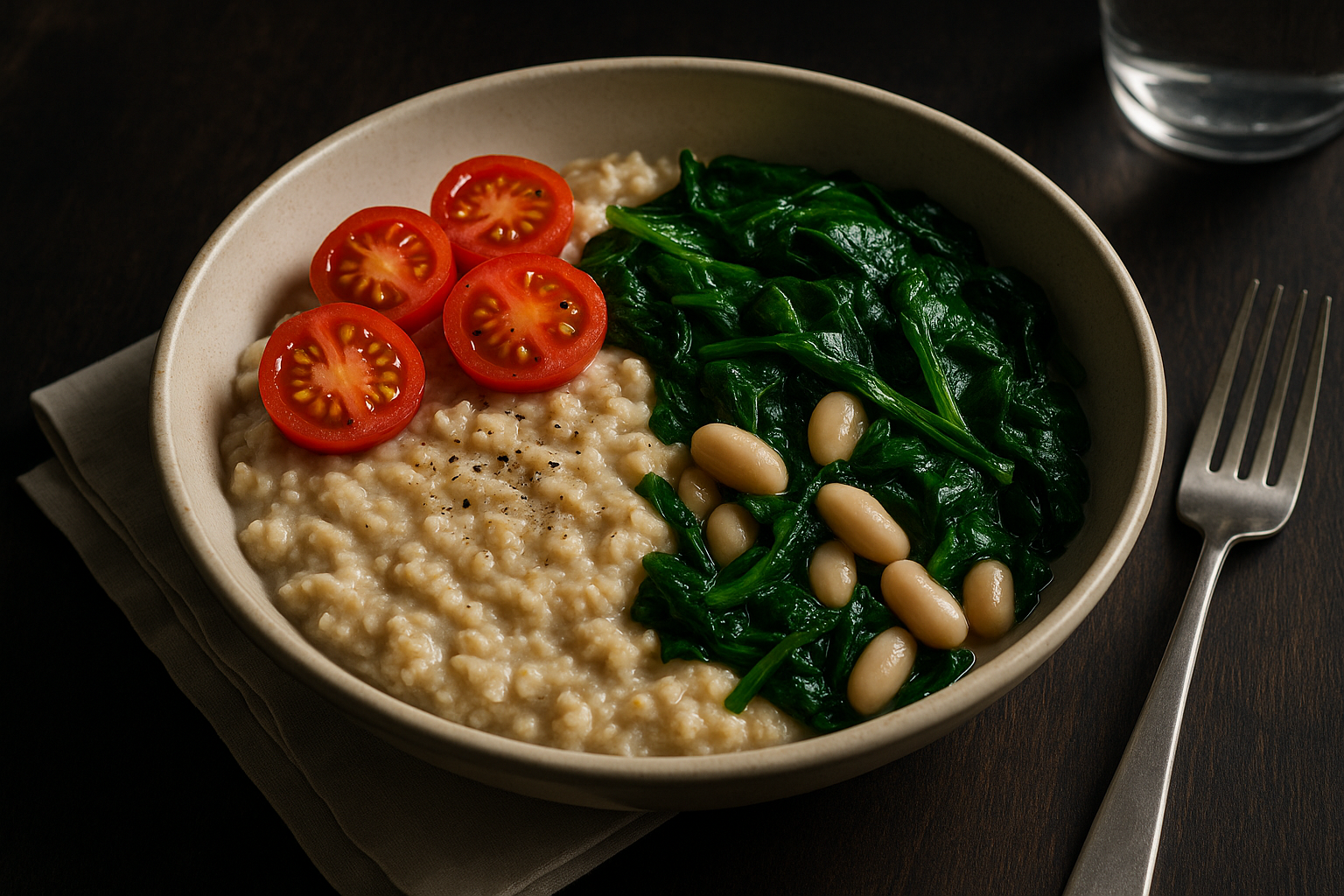
Image created for The Nutrient
Ten practical factors that contribute to a Breakfast Heart-Healthy morning meal.
A Breakfast Heart-Healthy meal is not defined by one ingredient; rather, it is the overall pattern: fiber-rich plants, minimally processed foods, beneficial unsaturated fats, and reasonable amounts of sodium, added sugar, and saturated fat.
“The key lies in nutrition.” — Caldwell B. Esselstyn Jr., M.D., Prevent and Reverse Heart Disease
Why Breakfast Heart-Healthy Patterns Matter
First, think of breakfast as the start of a daily pattern. A balanced morning meal can improve satiety and help you choose healthier foods later in the day. In addition, simple swaps make a big difference.
1. It Starts With Whole Plant Foods
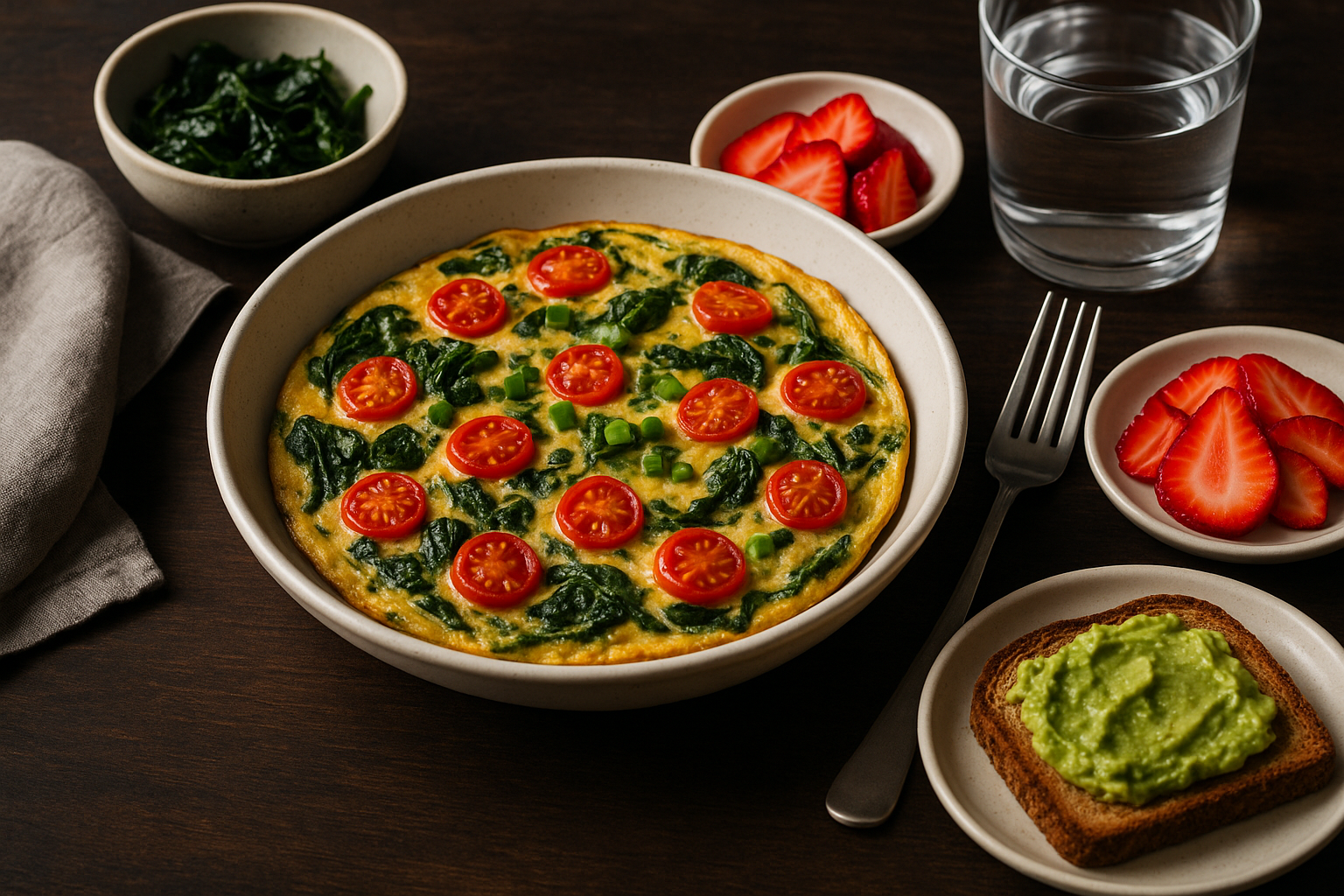
Fruit, vegetables, whole grains, legumes, nuts, and seeds provide naturally occurring nutrients without relying on highly processed ingredients. For example, choose fresh fruit or a vegetable-packed frittata instead of a sugar-heavy pastry.
2. It Contains Plenty of Fiber
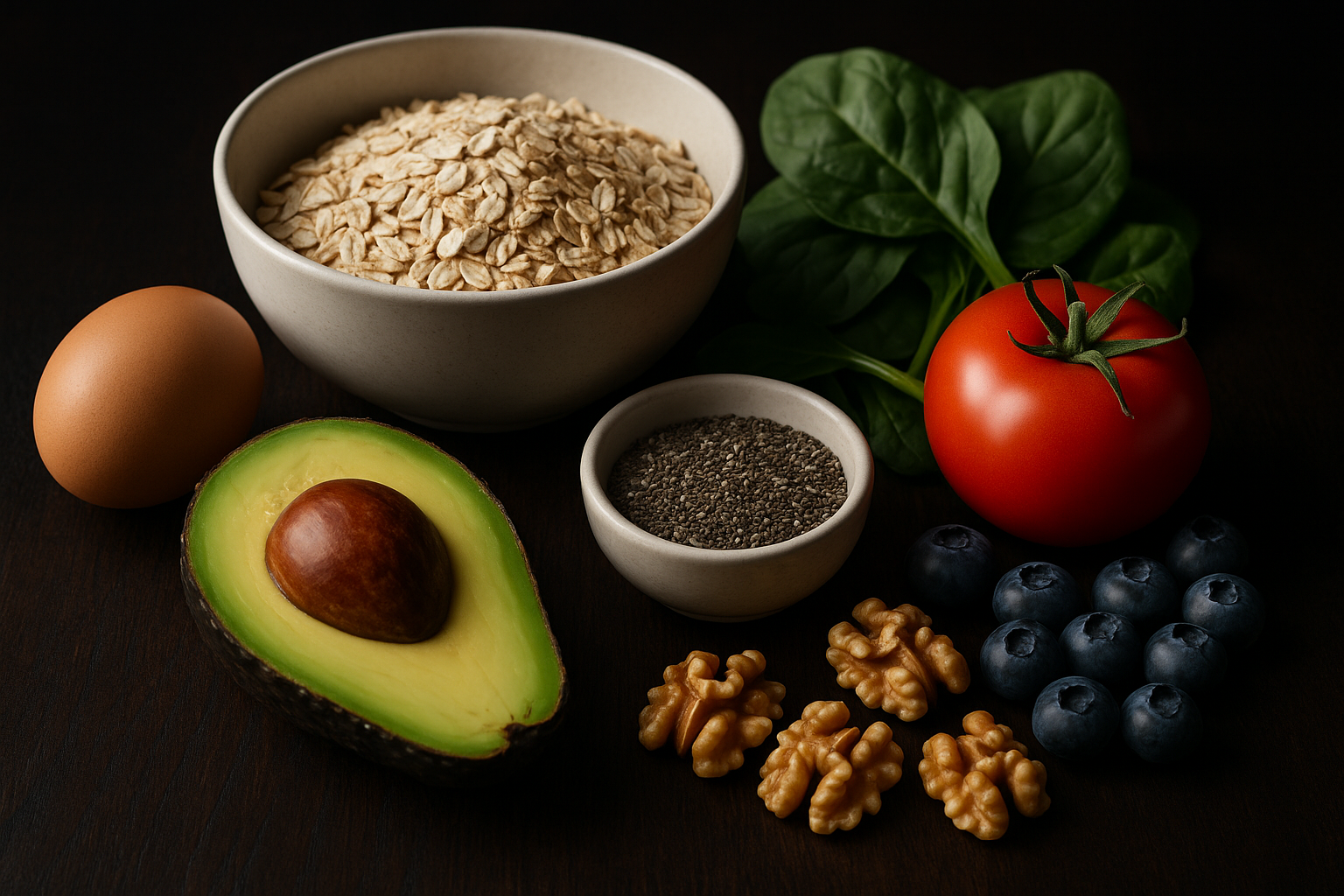
Oats, berries, chia seeds, flaxseed, and beans are practical breakfast sources of fiber. Fiber helps you feel full, therefore reducing the urge to snack soon after breakfast.
3. It Uses Whole Grains
Oats, barley, quinoa, and genuinely whole-grain bread retain more fiber than refined grains. For variety, try overnight oats or a quinoa porridge with fruit.
4. It Includes Fruit or Vegetables
Berries, apples, citrus, bananas, and leafy greens add color, flavor, and nutrients. For example, blend spinach into a berry smoothie or top oats with sliced apple and cinnamon.
5. It Includes a Thoughtful Protein Source
Beans, lentils, soy foods, nuts, and seeds add protein and staying power. However, if you choose eggs or dairy, pair them with a plant-forward side such as sautéed greens or a bean salad.
6. It Is Lower in Saturated Fat
A heart-conscious breakfast generally limits butter, fatty meats, full-fat cheese, and large amounts of tropical oils. Instead, use olive oil sparingly or try mashed avocado as a plant-forward substitute.
7. It Keeps Sodium in Check
Minimally processed ingredients make breakfast sodium easier to control. Next, flavor food with herbs, spices, or a squeeze of citrus instead of premade sauces or cured meats.
8. It Limits Added Sugar
Fruit and spices can provide sweetness and flavor without turning breakfast into dessert. For example, use mashed banana, cinnamon, or vanilla to sweeten yogurt or porridge modestly.
9. It Minimizes Highly Processed Foods
Choose recognizable ingredients instead of products rich in refined flour, added sugar, and excess sodium. In addition, prepare simple recipes at home so you control the ingredients.
10. It Includes Beneficial Unsaturated Fats
Walnuts, chia seeds, and ground flaxseed supply unsaturated fats; chia and flax also contain the plant-based omega-3 fat ALA. Furthermore, try nut butter on whole-grain toast or sprinkle seeds over yogurt or oatmeal.
A Heart-Healthy Breakfast Is a Pattern
No single ingredient makes a breakfast heart-healthy. Instead, the full dietary pattern matters: emphasize plants, fiber, whole grains, and unsaturated fats while watching sodium, added sugar, and saturated fat.
For practical inspiration and more straightforward nutrition guidance, visit the The Nutrient home page.
This article provides general nutrition information and is not a substitute for individualized medical care.


Save Time
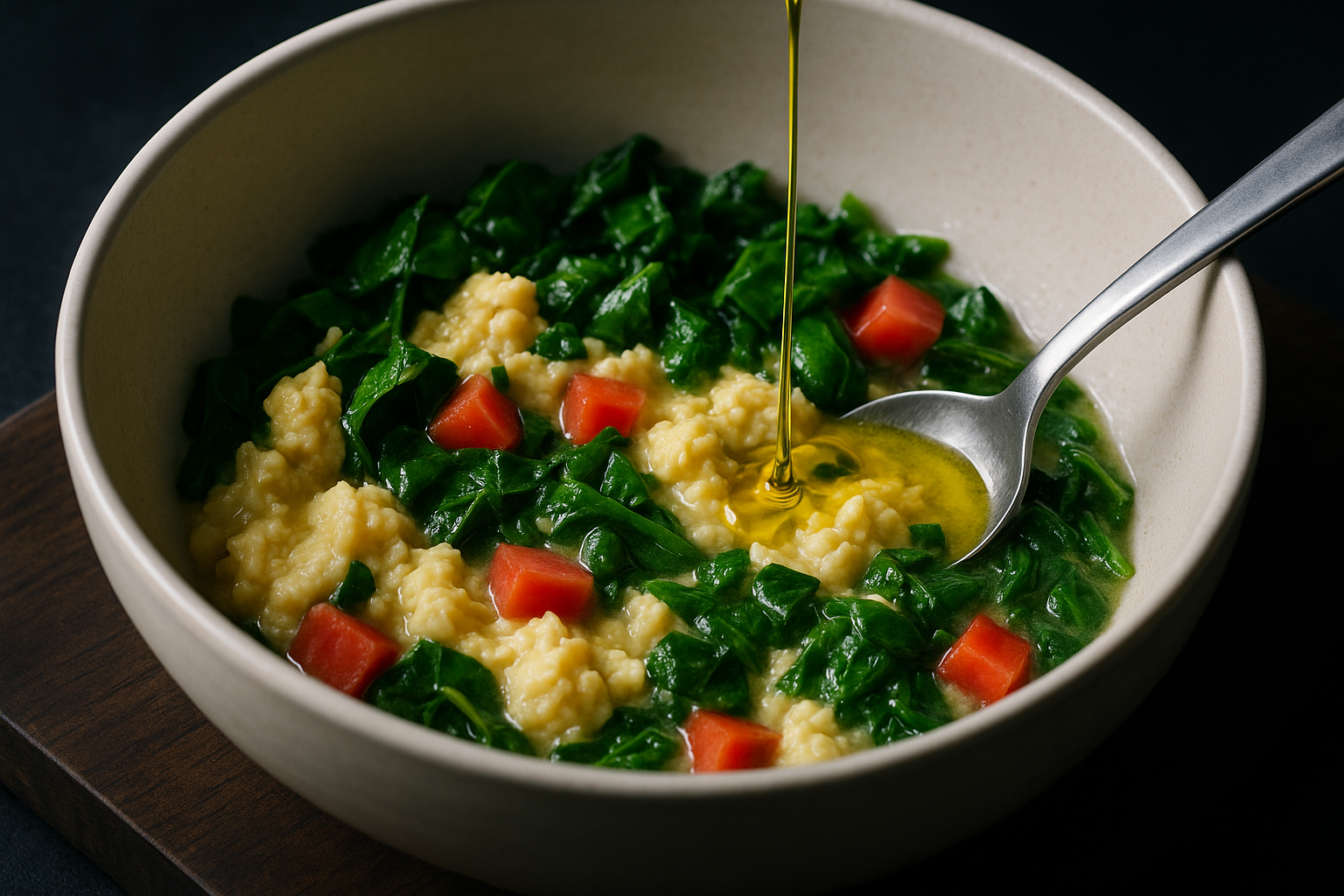
- Prepare the make-ahead components earlier and refrigerate them until cooking or serving.
YOUR FEEDBACK
Was this page helpful?
Your answer helps us improve our recipes and guides.