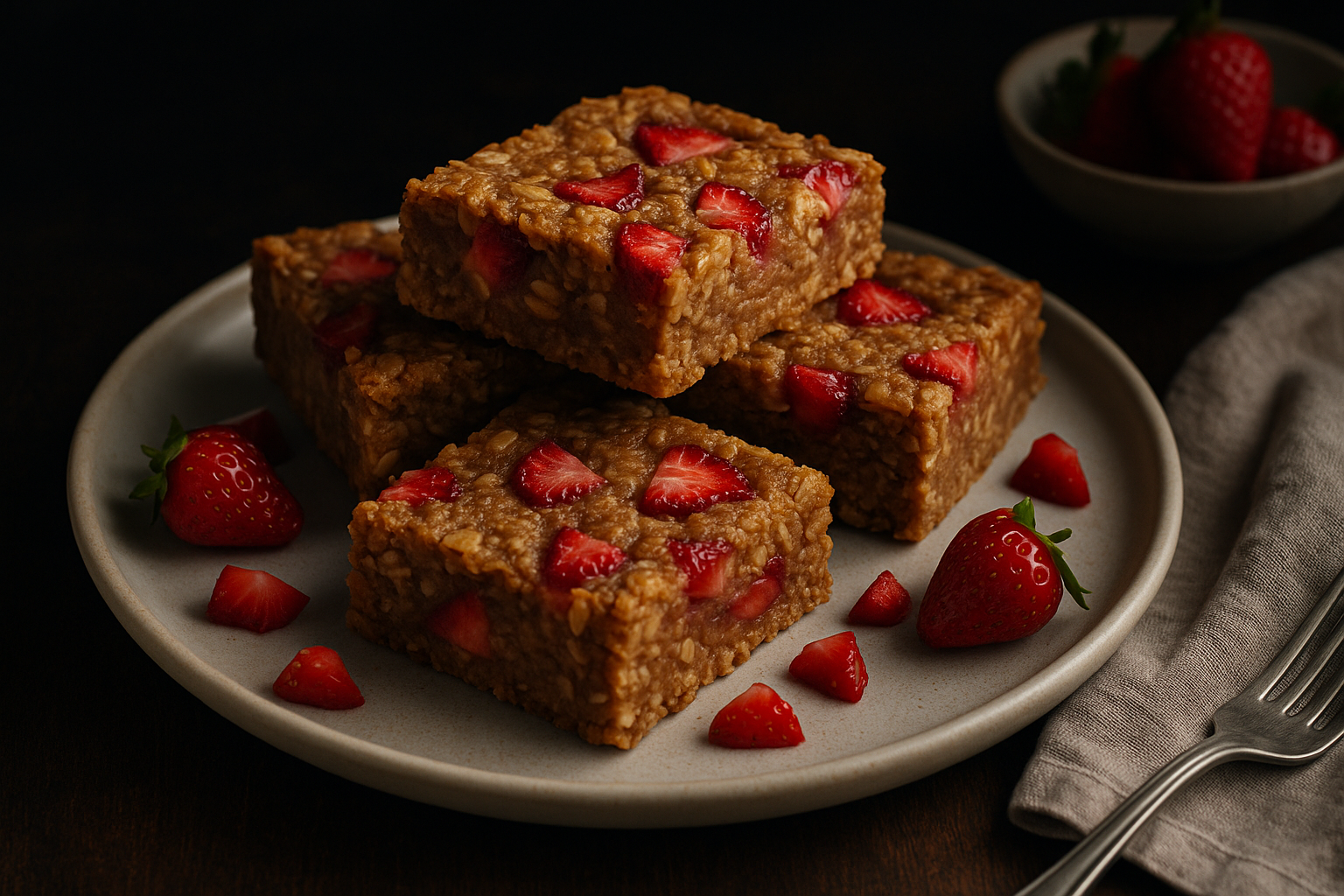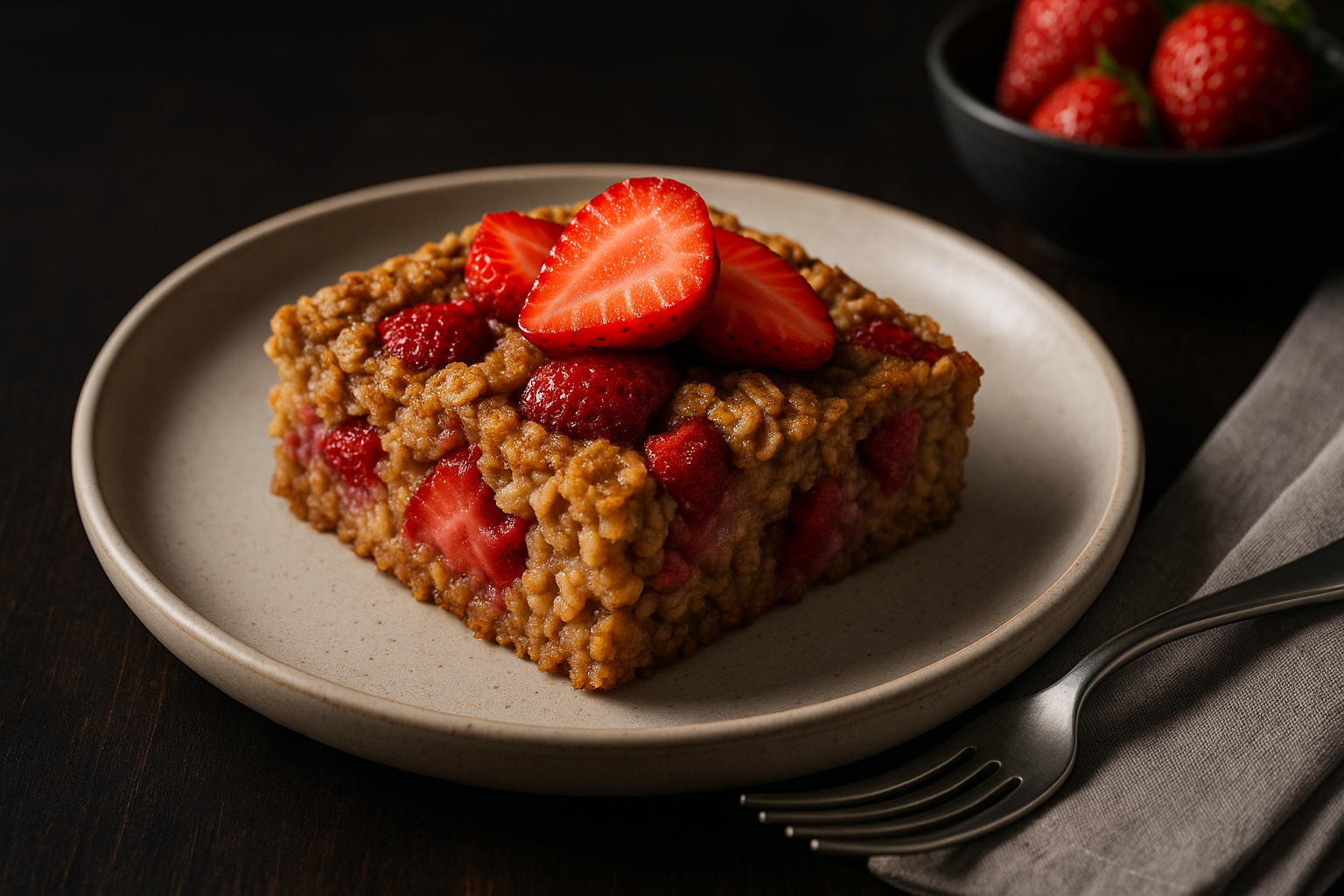
7 Heart-Healthy Overnight Oats Recipes
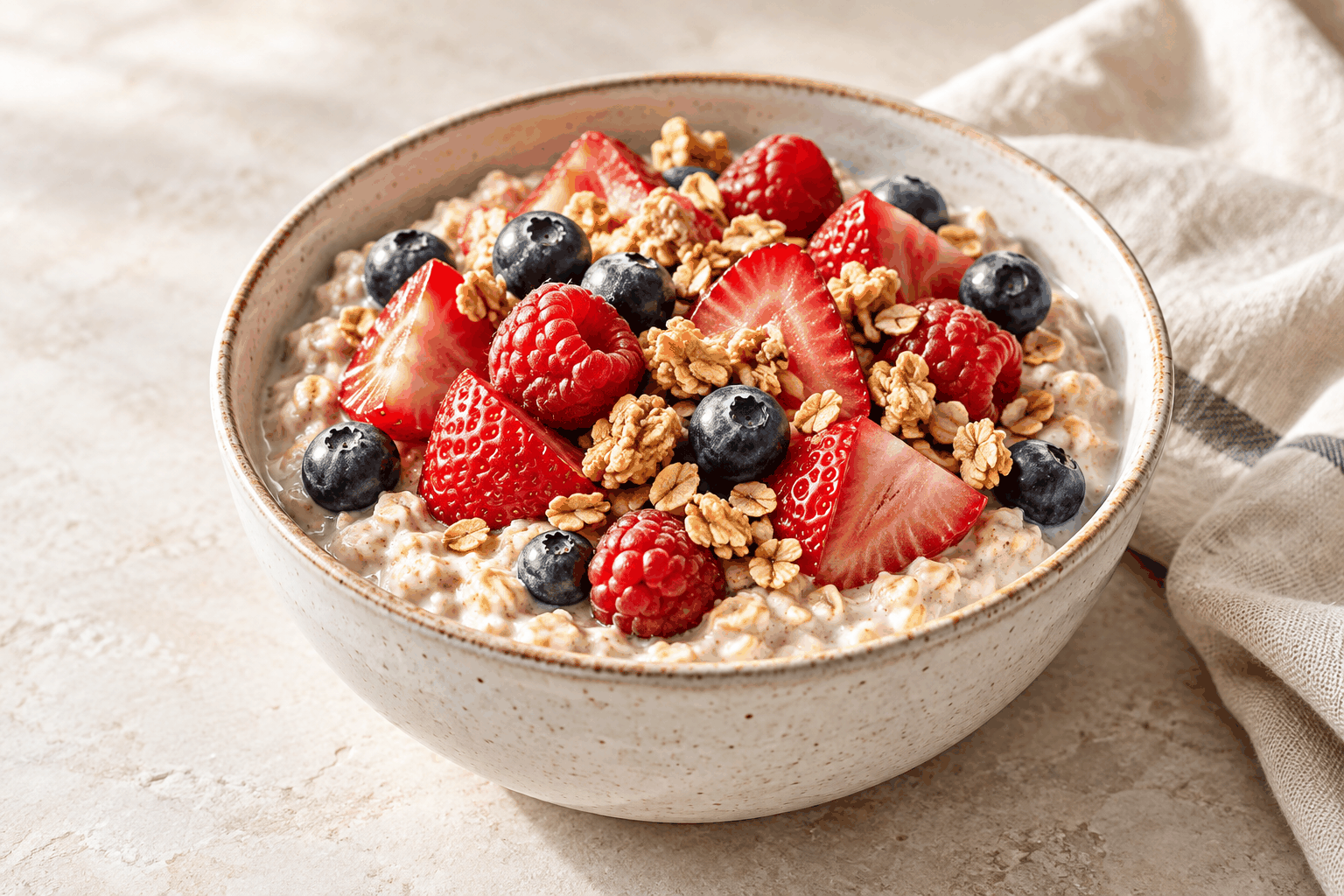
Image created for The Nutrient
Seven plant-forward Heart-Healthy Overnight Oats recipes with clear measurements, prep times, substitutions, storage tips, and nutrition context.
Heart-Healthy Overnight Oats are an easy, make-ahead breakfast. This guide collects seven plant-forward variations built on rolled oats, fruit, seeds, and unsweetened plant milk, with exact quantities, times, and storage tips.
How to Build Heart-Healthy Overnight Oats
First, use old-fashioned rolled oats for texture. A single basic jar yields one serving ready after a short soak. Next, follow the base recipe below, then pick a variation under "Seven Overnight Oat Variations." For more plant-forward ideas, visit the The Nutrient homepage.
Basic Overnight Oats (serves 1)
Prep time: 5 minutes; chill time: 6–8 hours.
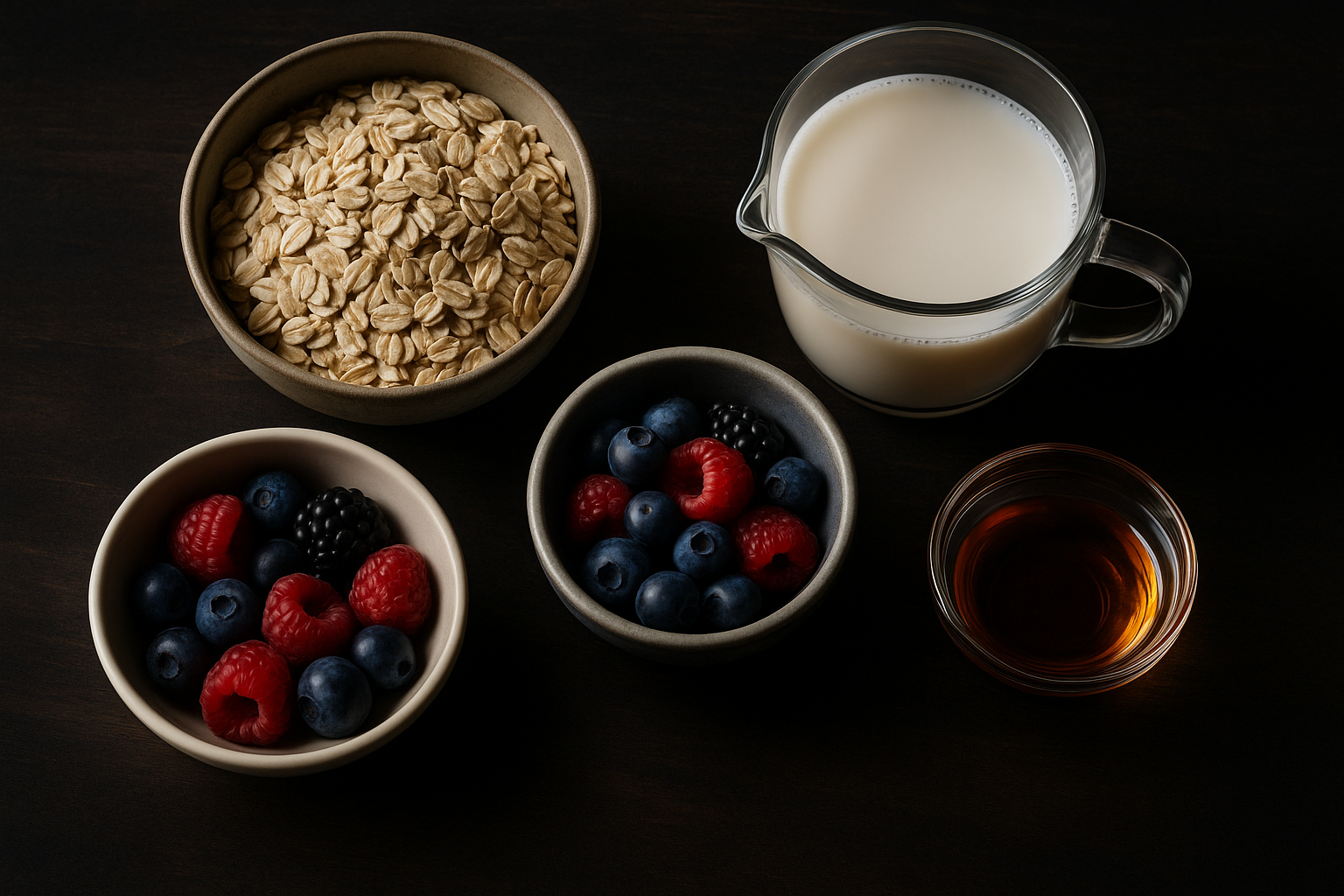
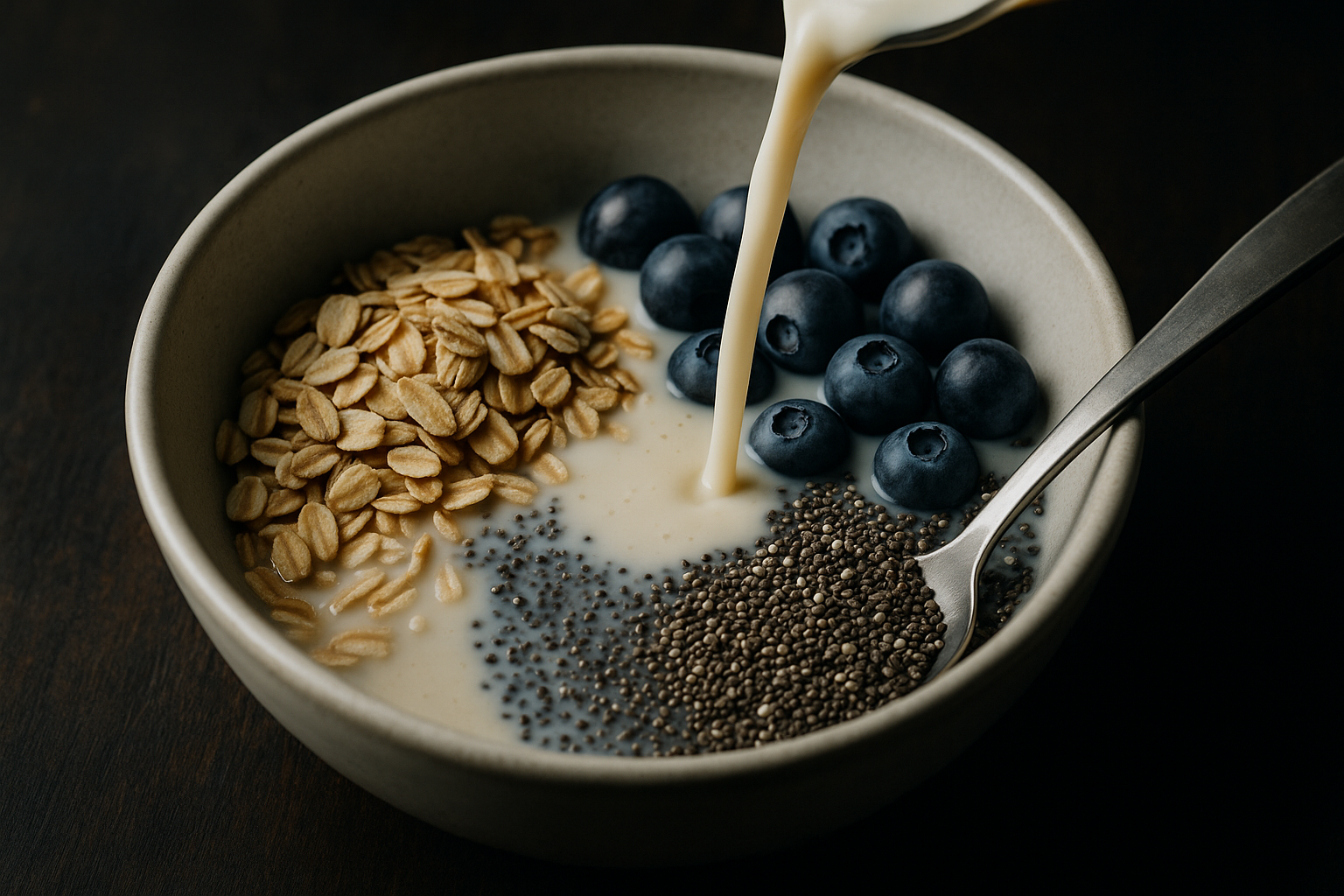
- 1/2 cup (45 g) old-fashioned rolled oats
- 1/2 cup (120 ml) unsweetened plant milk (almond, oat, soy, or pea)
- 2 tablespoons (14 g) chia seeds or ground flaxseed
- 1/2 cup (75 g) fresh or frozen fruit (berries, banana, or mango)
- Optional: 1 teaspoon maple syrup or honey, 1/4 teaspoon vanilla, pinch of cinnamon
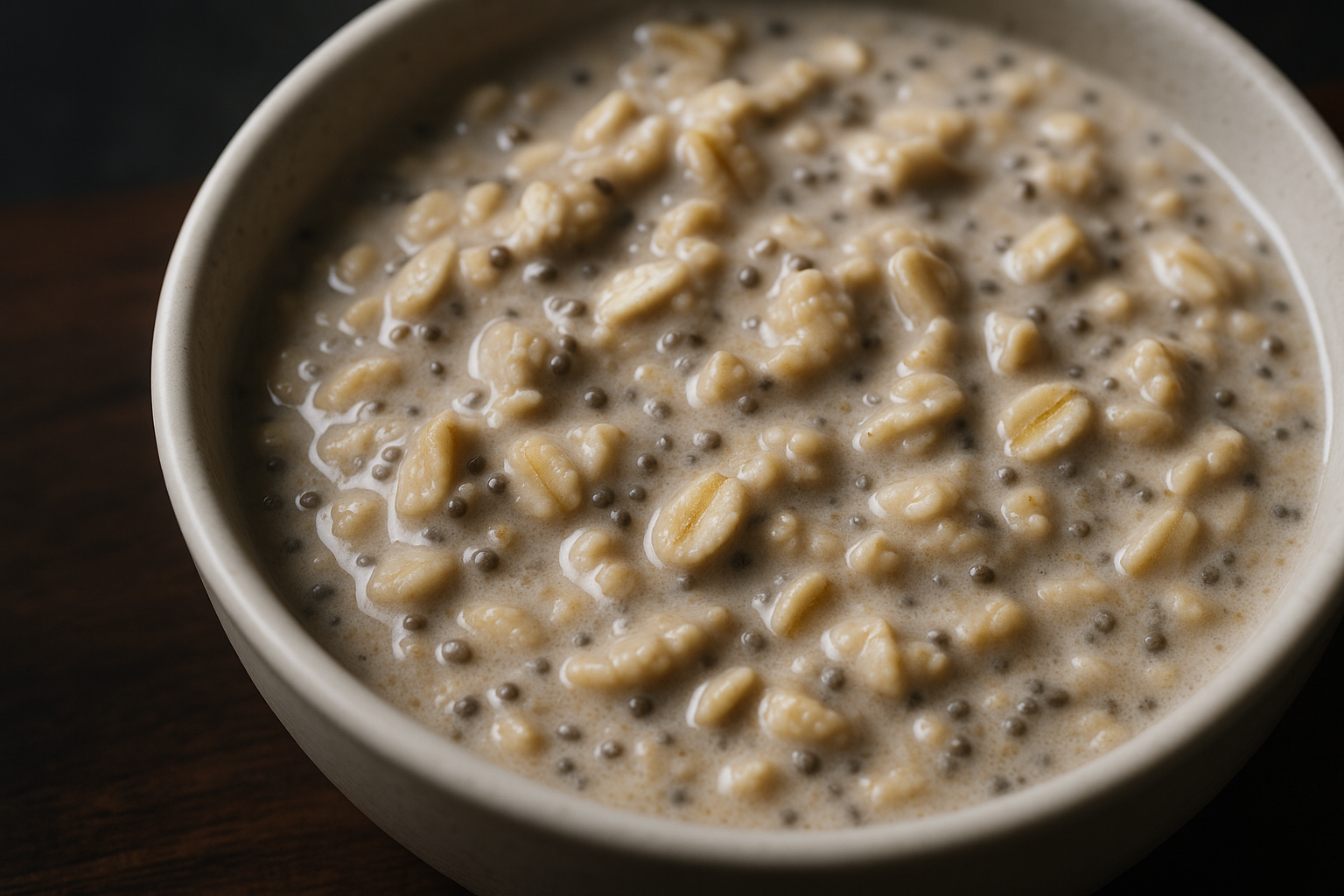
Method: Combine oats, milk, seeds, fruit, and optional sweetener in a 12-16 oz jar. Stir, cover, and refrigerate at least 6 hours or overnight. Stir again before serving; add a splash of milk for creaminess.
Substitutions: Use any unsweetened plant milk you prefer. Swap chia for ground flax at a 1:1 ratio. For nut-free bowls, choose oat or soy milk and sunflower seed butter as a topping.
Nutrition context: Rolled oats and seeds provide fiber and plant-based protein that support satiety and a balanced breakfast without making medical claims.
Seven Overnight Oat Variations
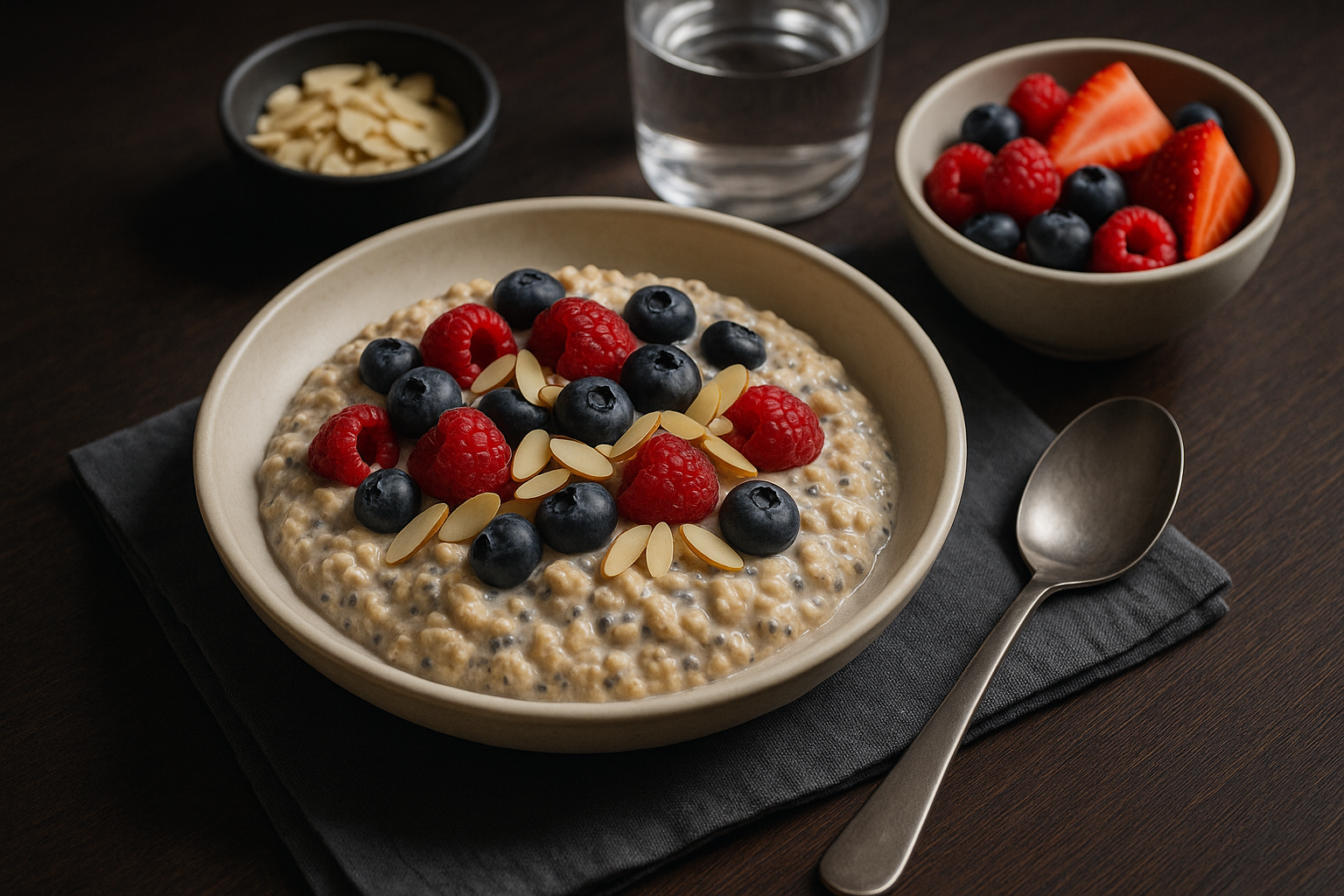
1. Berry & Almond
Add to the Basic Overnight Oats: 1/2 cup mixed berries, 1 tablespoon sliced almonds, and 1/2 teaspoon lemon zest. For extra protein, stir in 2 tablespoons unsweetened almond yogurt (note: yogurt adds a 1-of-5 heart rating; plant-forward swap: use 2 tablespoons mashed silken tofu).
2. Banana-Cinnamon with Sunflower Butter
Add: 1 small mashed banana, 1/2 teaspoon cinnamon, and 1 tablespoon sunflower seed butter. Top with banana slices before serving. To reduce added sugar, omit any sweetener.
3. Maple Pecan & Pear
Add: 1/2 cup diced pear, 1 tablespoon chopped pecans, 1 teaspoon pure maple syrup, and a pinch of nutmeg. For nut-free option, replace pecans with toasted pumpkin seeds.
4. Cocoa-Cherry Chocolate
Add: 1 tablespoon unsweetened cacao powder, 1/3 cup frozen cherries, and 1 tablespoon chia. If you prefer creamier oats, stir in 1 tablespoon light coconut yogurt (dairy flag: coconut yogurt counts as non-dairy and does not add a 1-heart rating unless it contains yogurt cultures labeled as dairy).
5. Tropical Mango-Coconut
Add: 1/2 cup diced mango, 1 tablespoon unsweetened shredded coconut, and 1 teaspoon lime zest. For lower saturated fat, skip coconut and add extra mango or pineapple.
6. Apple-Pecan Overnight Oats
Add: 1/2 cup grated apple, 1 tablespoon chopped pecans, 1/2 teaspoon cinnamon, and 1 teaspoon chia. For nut-free, swap pecans for 1 tablespoon toasted oat clusters.
7. Savory Herbed Oats
Make a savory version by using 1/2 cup oats, 1/2 cup unsweetened soy milk, 2 tablespoons mashed avocado, 1 teaspoon lemon juice, 1 tablespoon finely chopped chives, and a pinch of salt and pepper. Serve chilled or at room temperature. For anyone avoiding avocado, substitute 2 tablespoons hummus for a plant-based creamy texture.
Make-Ahead Tips
Pack oats in glass jars with secure lids and refrigerate promptly. Most overnight oats keep well for three to four days. Add crunchy toppings just before eating to keep them crisp. If oats thicken too much, thin with a splash of plant milk.
Serving ideas: top with extra fruit, a sprinkle of seeds, or a drizzle of nut or seed butter. For travel, keep chilled in an insulated container and consume within 4–6 hours.
Nutrition information varies by recipe and ingredients. This collection provides general food information and is not individualized medical advice.

01 of 07
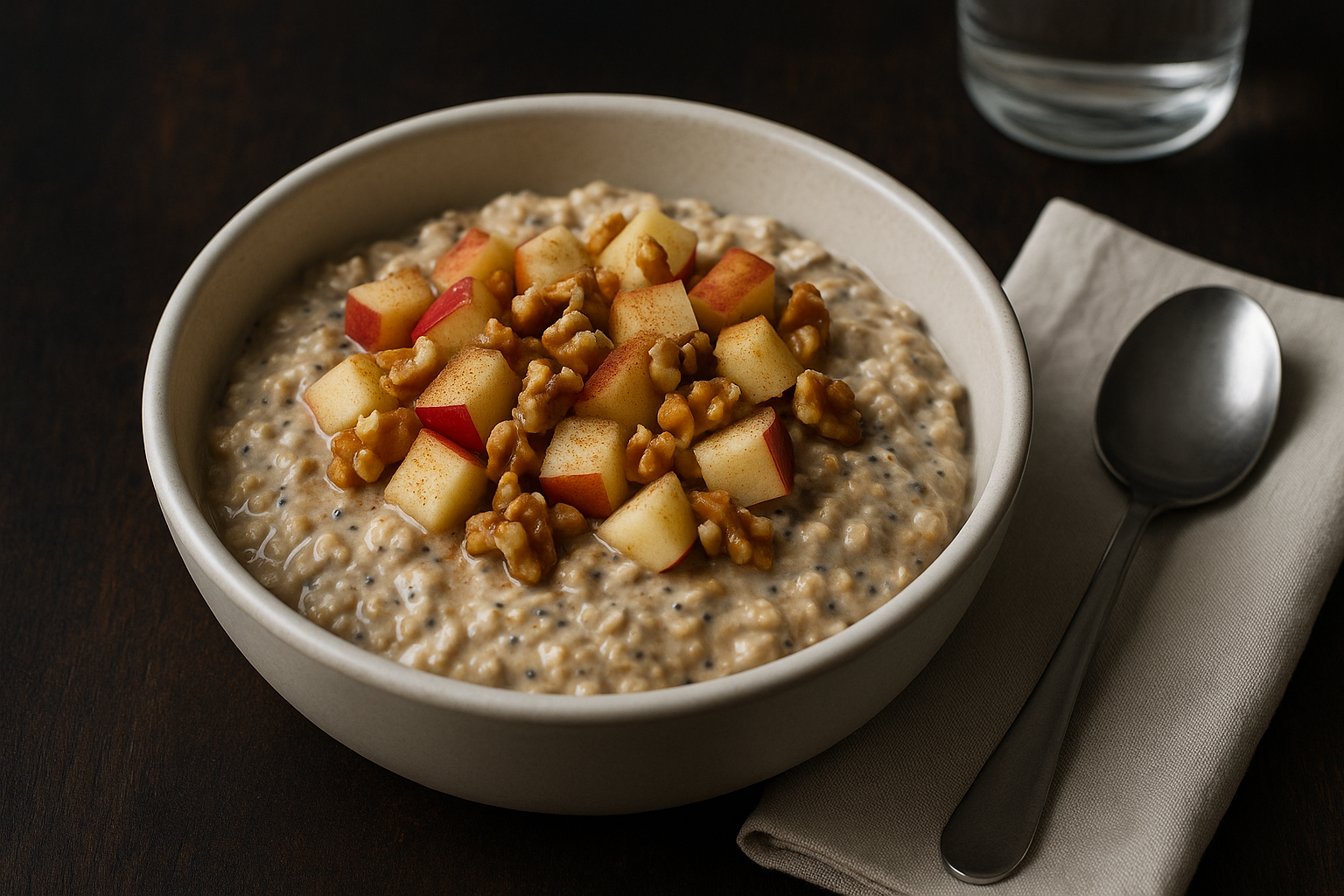 Image: Created for The Nutrient
Apple Cinnamon Walnut Overnight Oats
Creamy, fiber-rich Apple Cinnamon Walnut Overnight Oats ready in 10 minutes plus overnight chilling.
View Recipe02 of 07
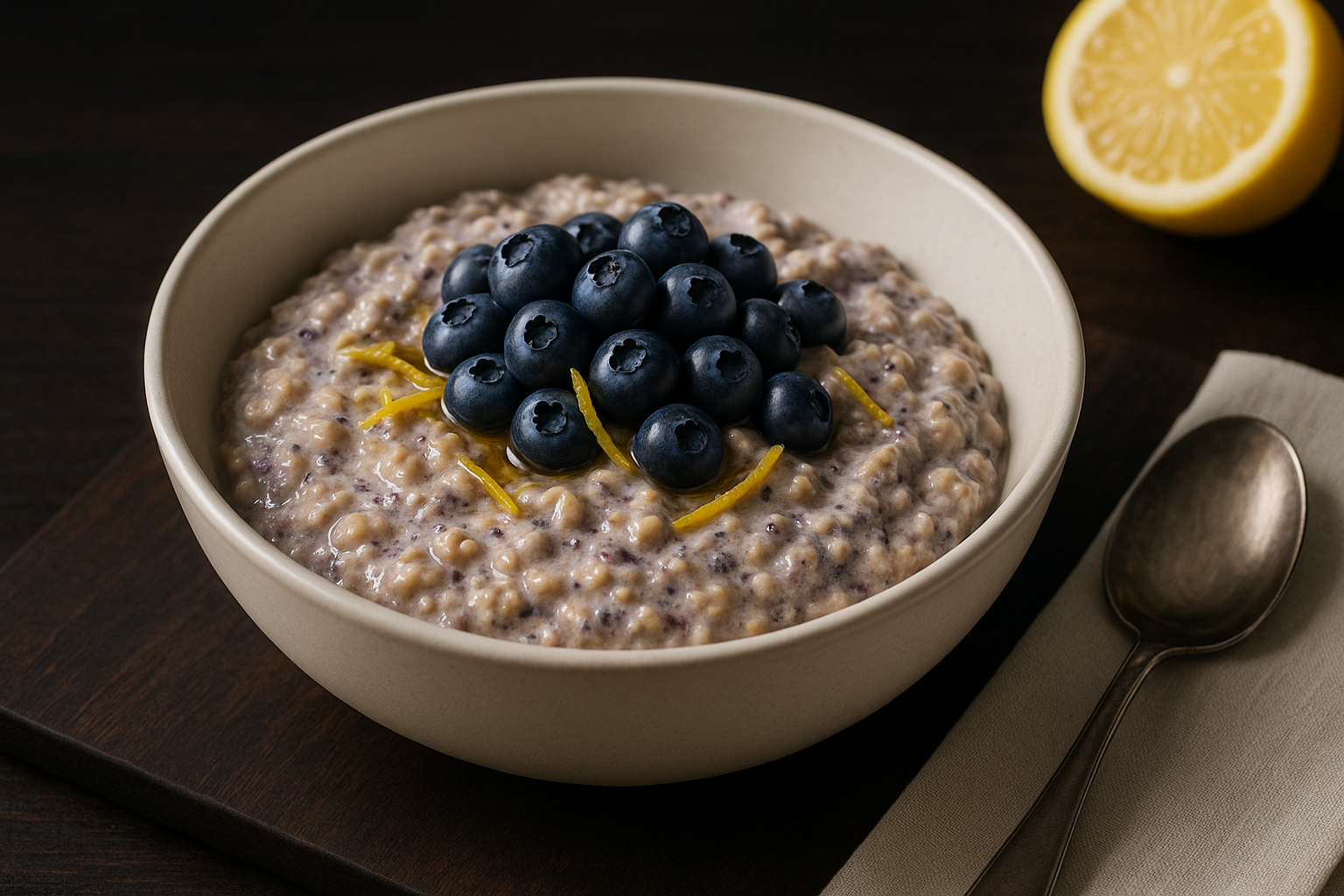 Image: Created for The Nutrient
Blueberry Lemon Chia Overnight Oats
A bright, make-ahead breakfast of oats, chia, lemon, and fresh blueberries.
View Recipe03 of 07
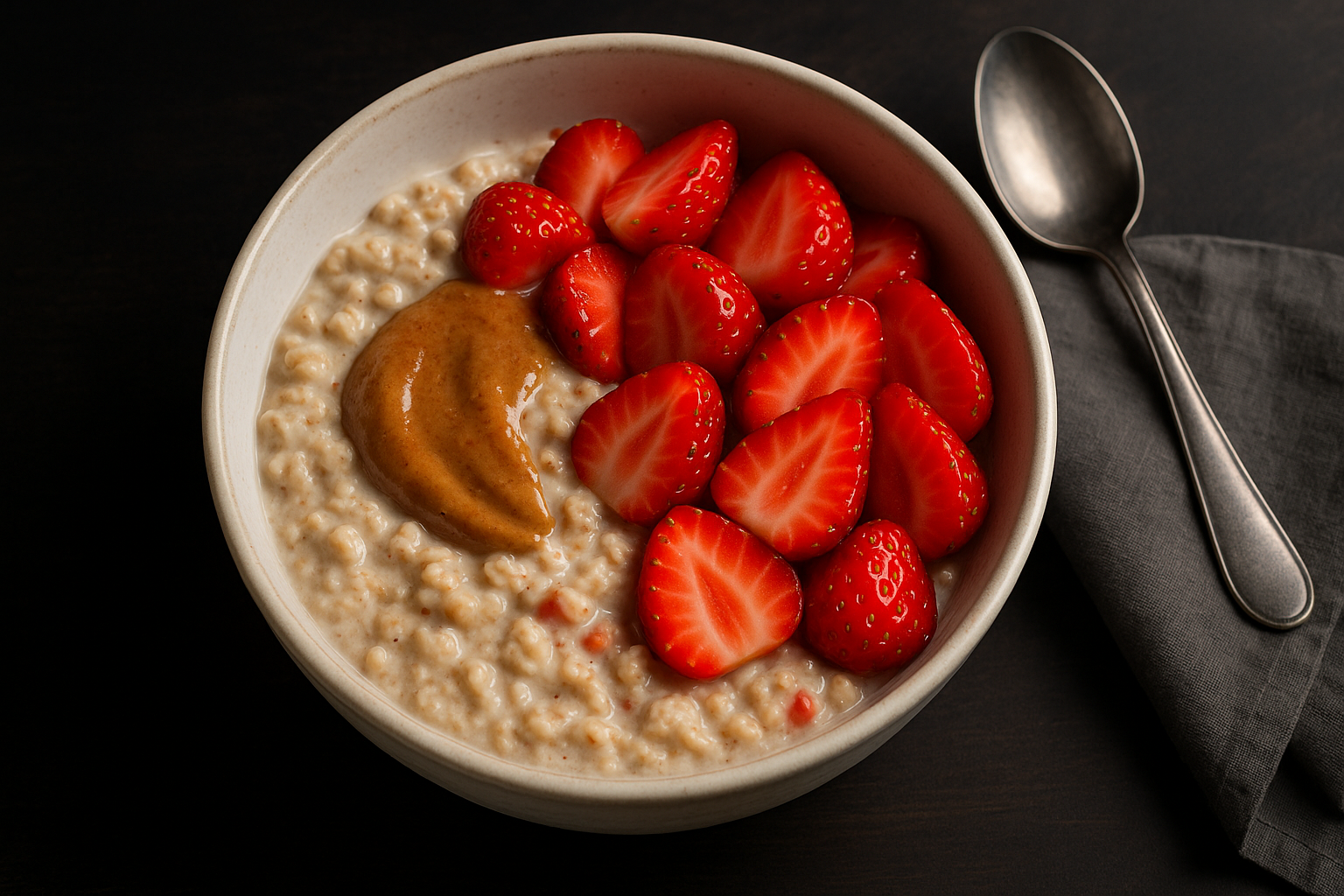 Image: Created for The Nutrient
Strawberry Almond Butter Overnight Oats
A creamy, make-ahead breakfast of oats, almond butter, and fresh strawberries.
View Recipe04 of 07
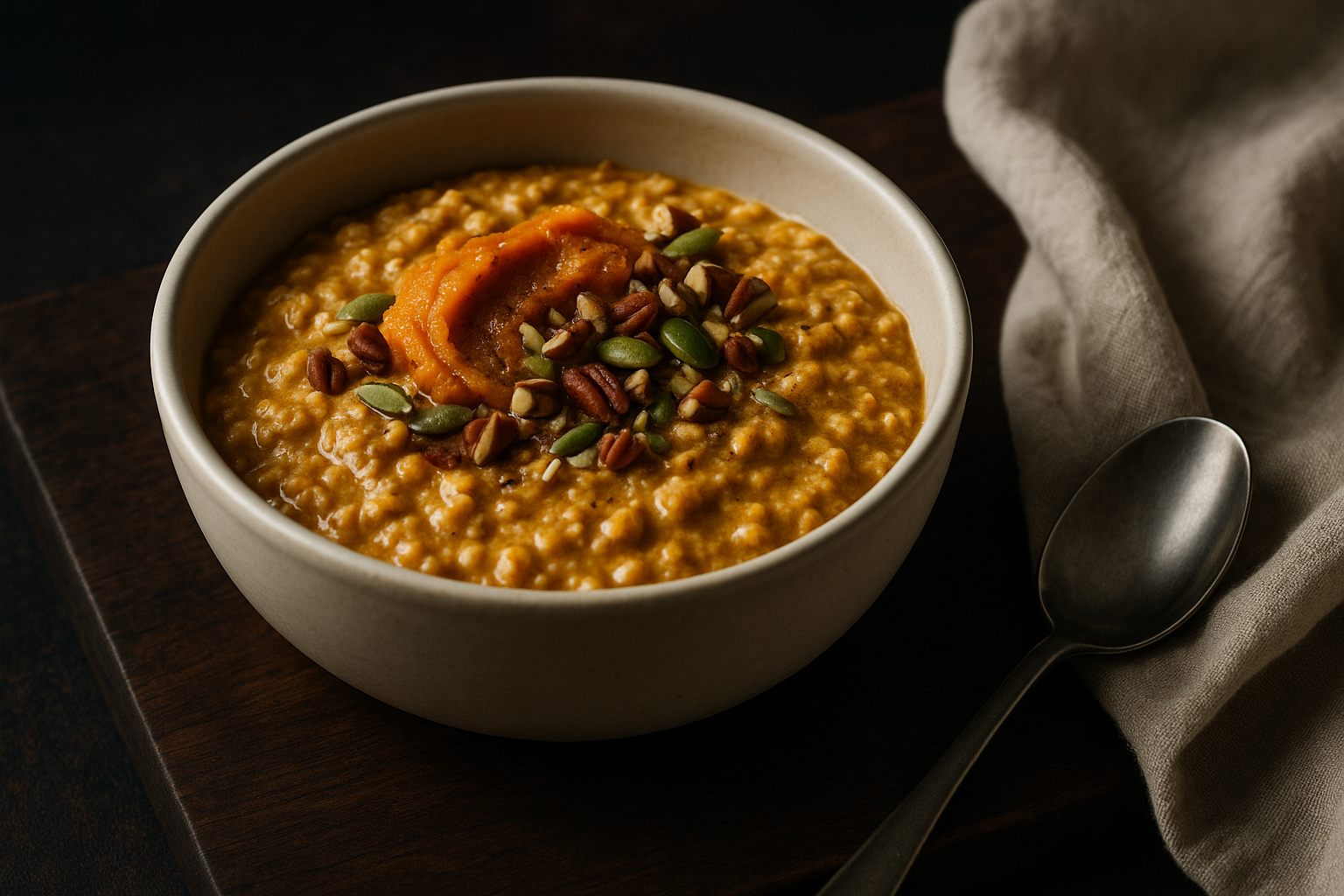 Image: Created for The Nutrient
Pumpkin Spice Flax Overnight Oats
A simple, make-ahead jar of pumpkin-spiced overnight oats with flaxseed for fiber and warm spice flavor.
View Recipe05 of 07
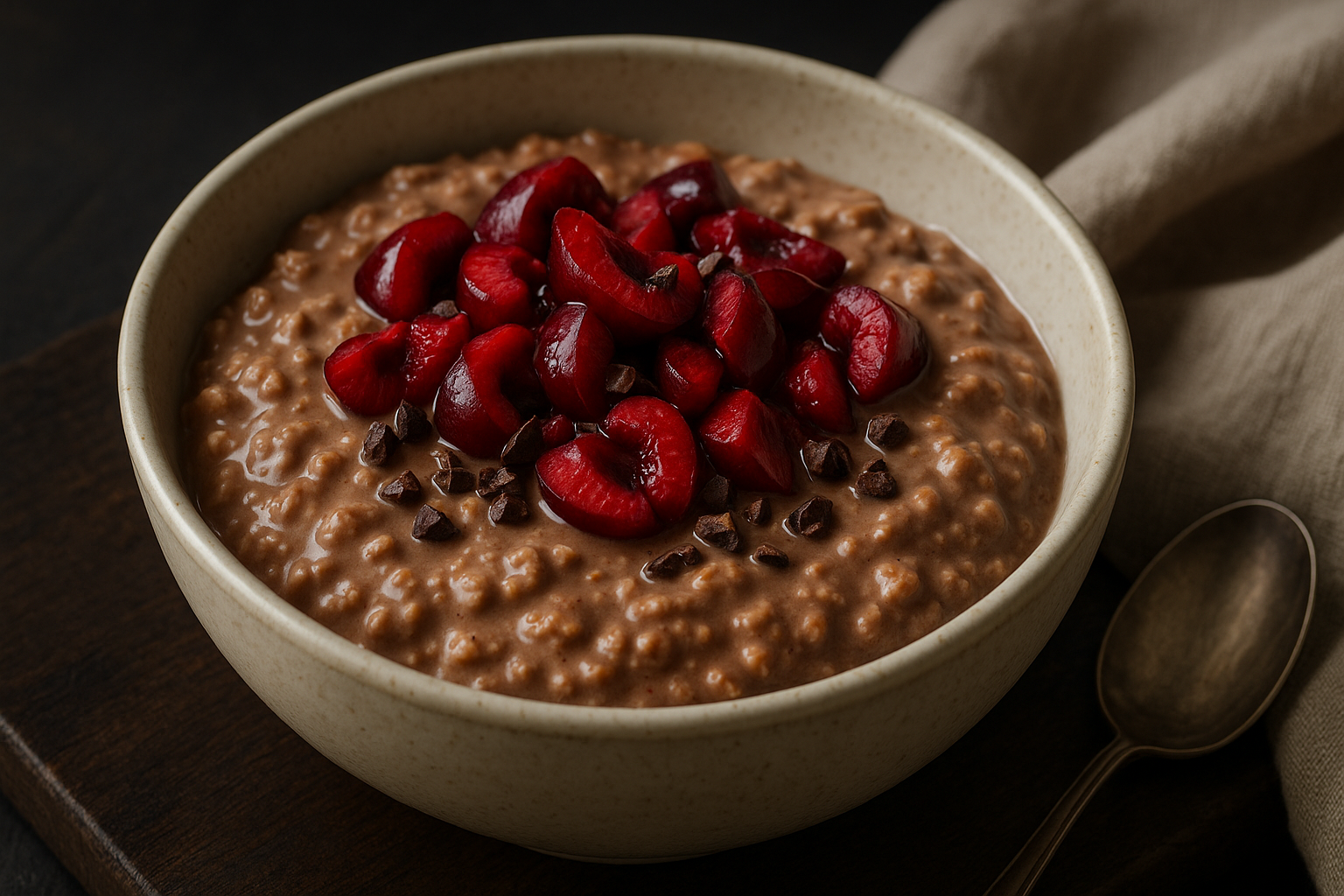 Image: Created for The Nutrient
Cherry Cacao Overnight Oats
A make-ahead, chocolatey-tart overnight oats recipe using cherries and unsweetened cacao.
View Recipe06 of 07
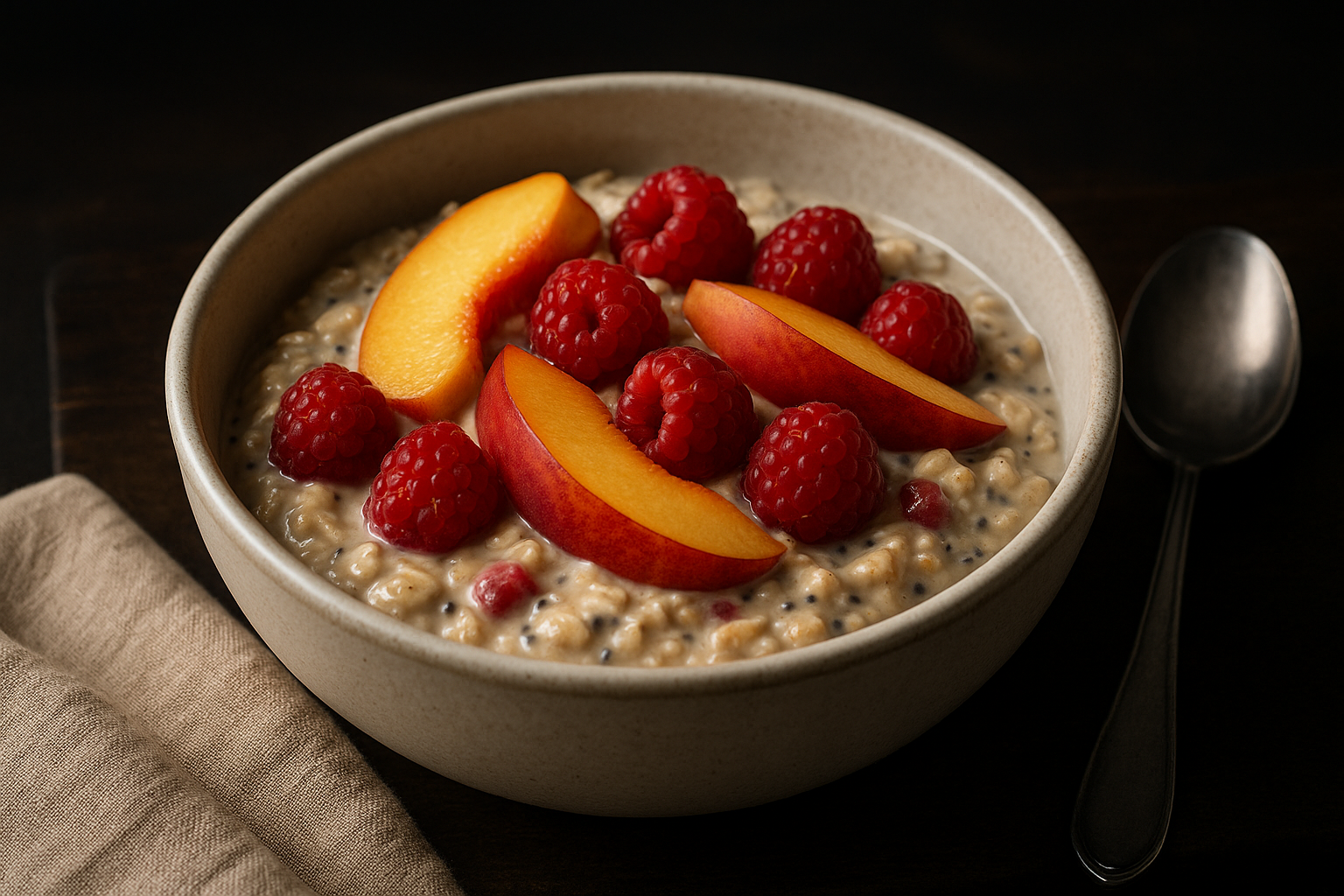 Image: Created for The Nutrient
Peach Raspberry Overnight Oats
A make-ahead, plant-forward peach and raspberry overnight oats recipe thickened with chia for a quick, fresh breakfast.
View Recipe07 of 07
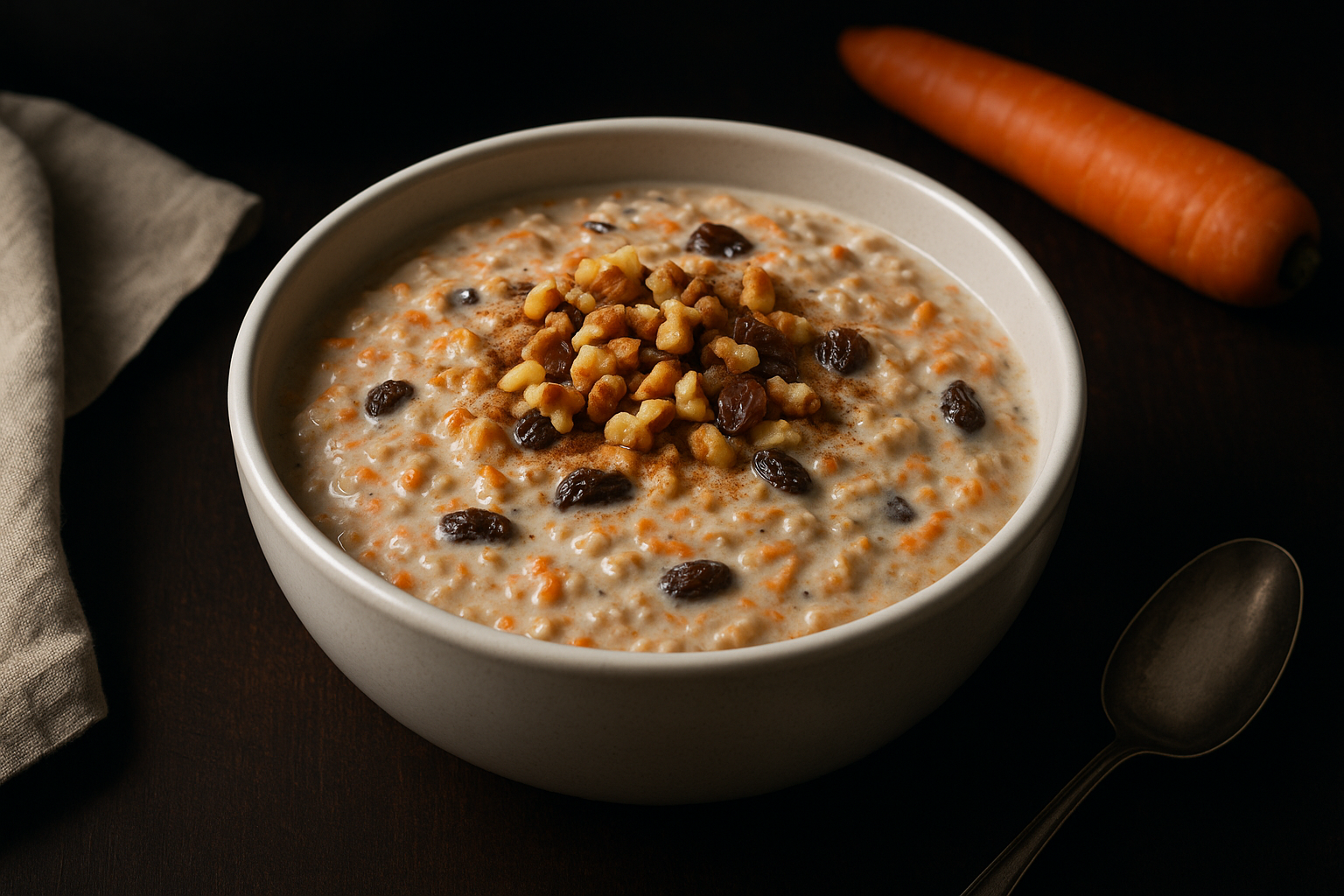 Image: Created for The Nutrient
Carrot Cake Overnight Oats
A no-cook, carrot cake–flavored overnight oats recipe with grated carrot, raisins, and warm spices.
View RecipeYOUR FEEDBACK
Was this page helpful?
Your answer helps us improve our recipes and guides.