
Plant Milk Guide: 12 Homemade Plant Milk Recipes
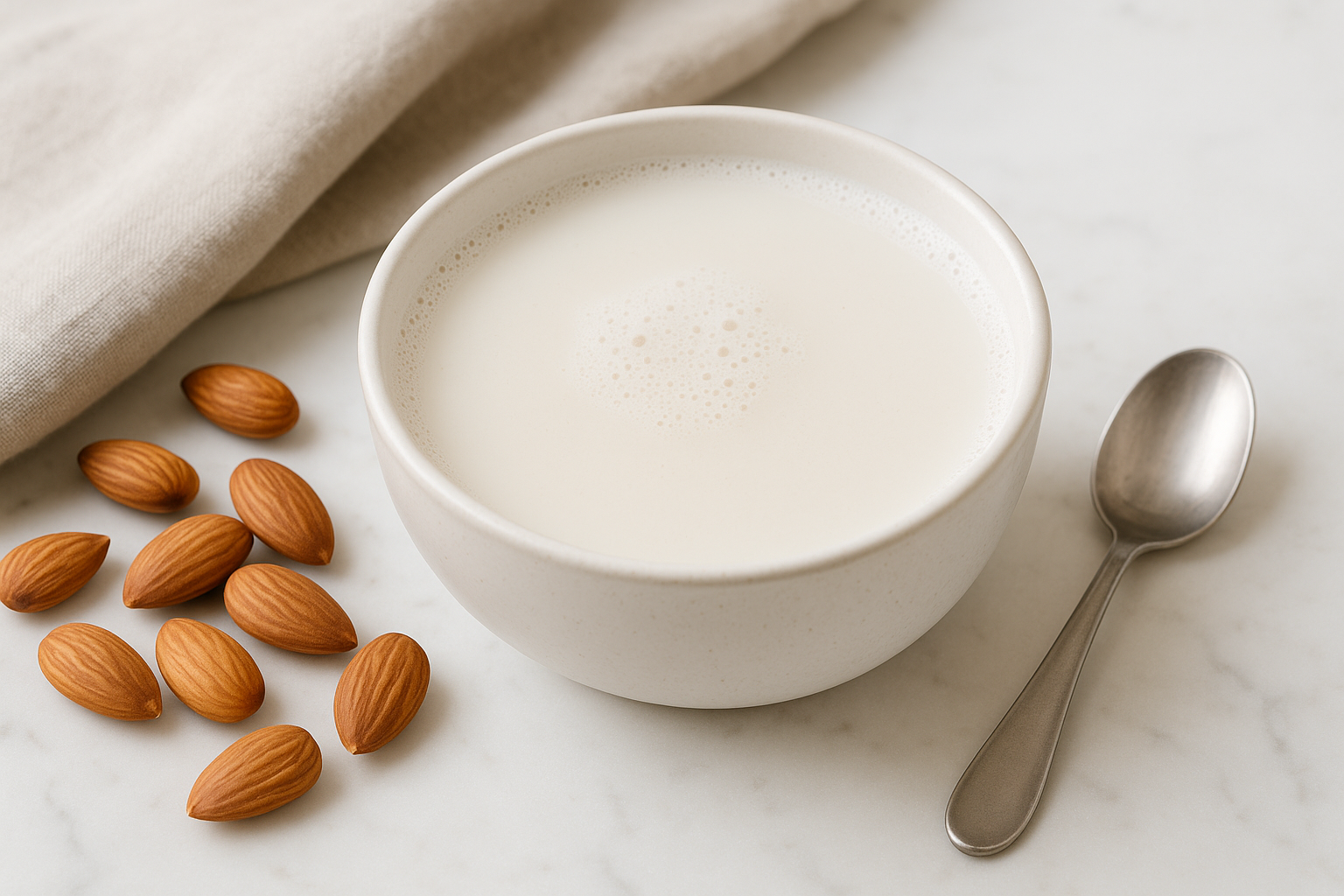
Image created for The Nutrient
A practical guide to 12 easy homemade plant milks, with tips, storage, and substitutions.
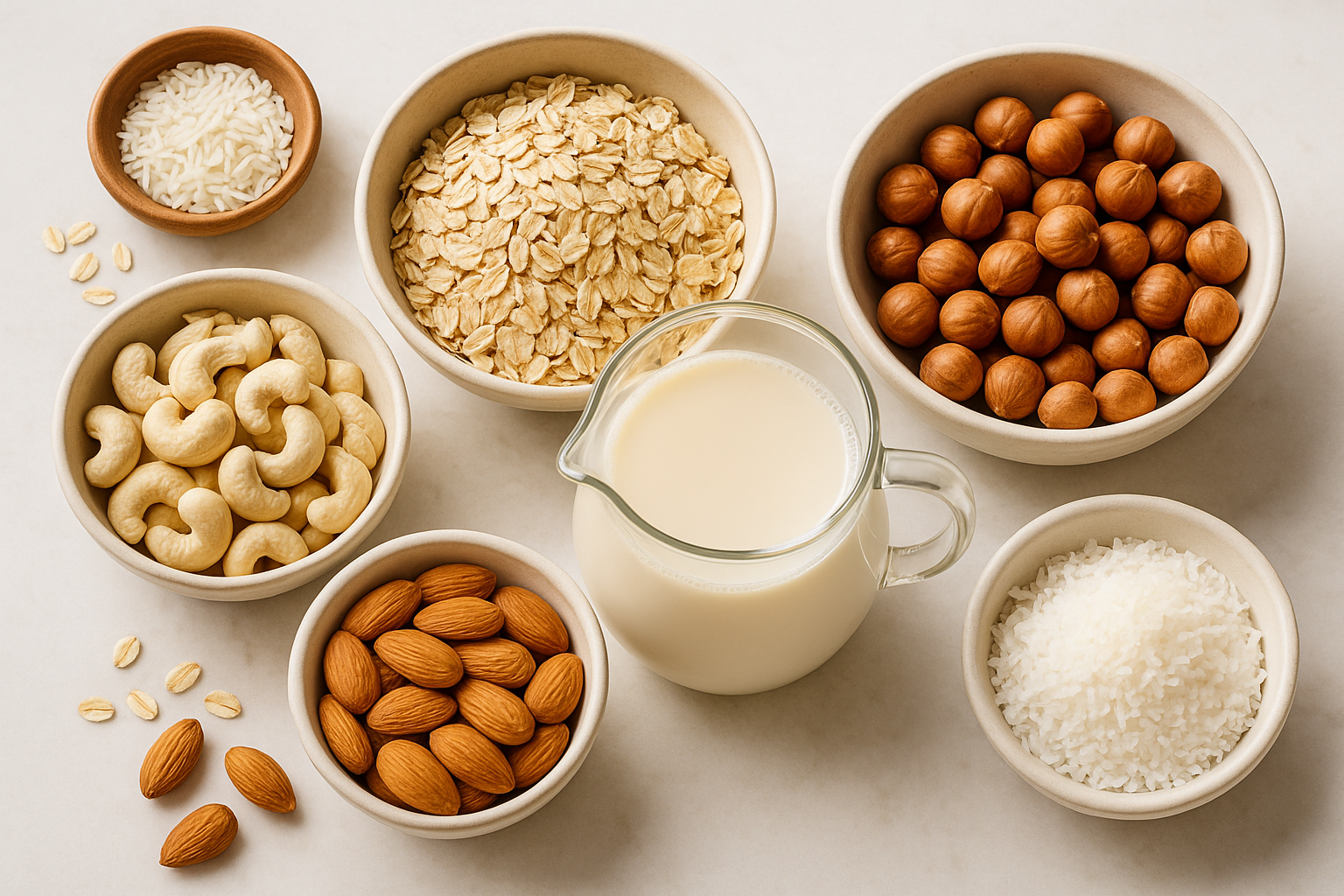
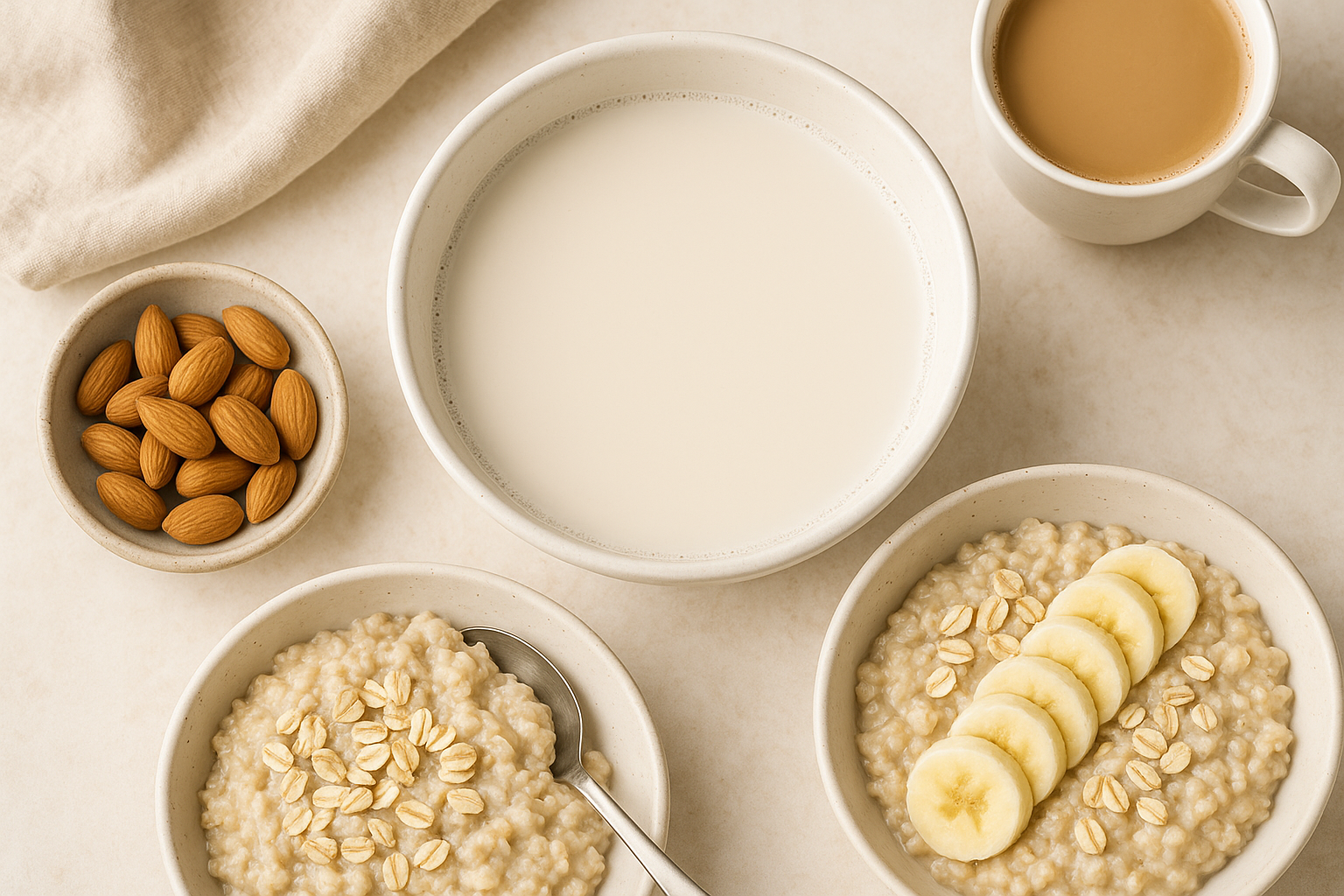
Plant Milk Guide: Plant milk can be made from grains, beans, nuts, or seeds, and each base behaves differently. For example, soy milk brings more protein, oat milk adds body, cashew milk makes sauces creamy, and rice milk stays light. This guide helps you choose the right homemade plant milk and links to a tested starting recipe for every major style.
Plant milk recipes (Plant Milk Guide)
- Homemade Almond Milk
- Homemade Oat Milk
- Homemade Soy Milk
- Homemade Cashew Milk
- Homemade Coconut Milk
- Homemade Rice Milk
- Homemade Hemp Milk
- Homemade Flax Milk
- Homemade Hazelnut Milk
- Homemade Macadamia Milk
- Homemade Pea Milk
- Homemade Sunflower Seed Milk
How to choose a plant milk
- For coffee: Try oat, soy, hazelnut, or macadamia milk. However, homemade milks do not contain commercial stabilizers, so add them slowly and avoid very acidic brews.
- For baking: Oat, soy, almond, and sunflower seed milk are dependable choices because they hold texture and flavor.
- For creamy sauces: Cashew, soy, or oat milk provide the most body and blend smoothly when warmed gently.
- For a nut-free kitchen: Choose oat, soy, rice, hemp, flax, pea, or sunflower seed milk.
- For more protein: Soy milk is the strongest homemade option in this collection, followed by pea milk.
Plant milk and heart health
Unsweetened plant milks can replace dairy in recipes, but they are not nutritionally interchangeable. Coconut milk tends to be higher in saturated fat; therefore, choose unsweetened versions when possible and look at the whole meal rather than treating any one ingredient as a guarantee of heart health. If you prefer a lower-saturated-fat option instead of coconut milk, substitute oat or cashew milk in sauces and coffee.
Homemade versus store-bought
Homemade plant milk gives you control over sweetness and ingredients. Store-bought milk may offer an advantage: many commercial products are fortified with calcium, vitamin D, and vitamin B12. Therefore, if you need fortified options, choose a store-bought variety, and remember to shake fortified milk before pouring because added nutrients can settle. For more plant-forward nutrition articles and recipes, see The Nutrient homepage.
The basic method
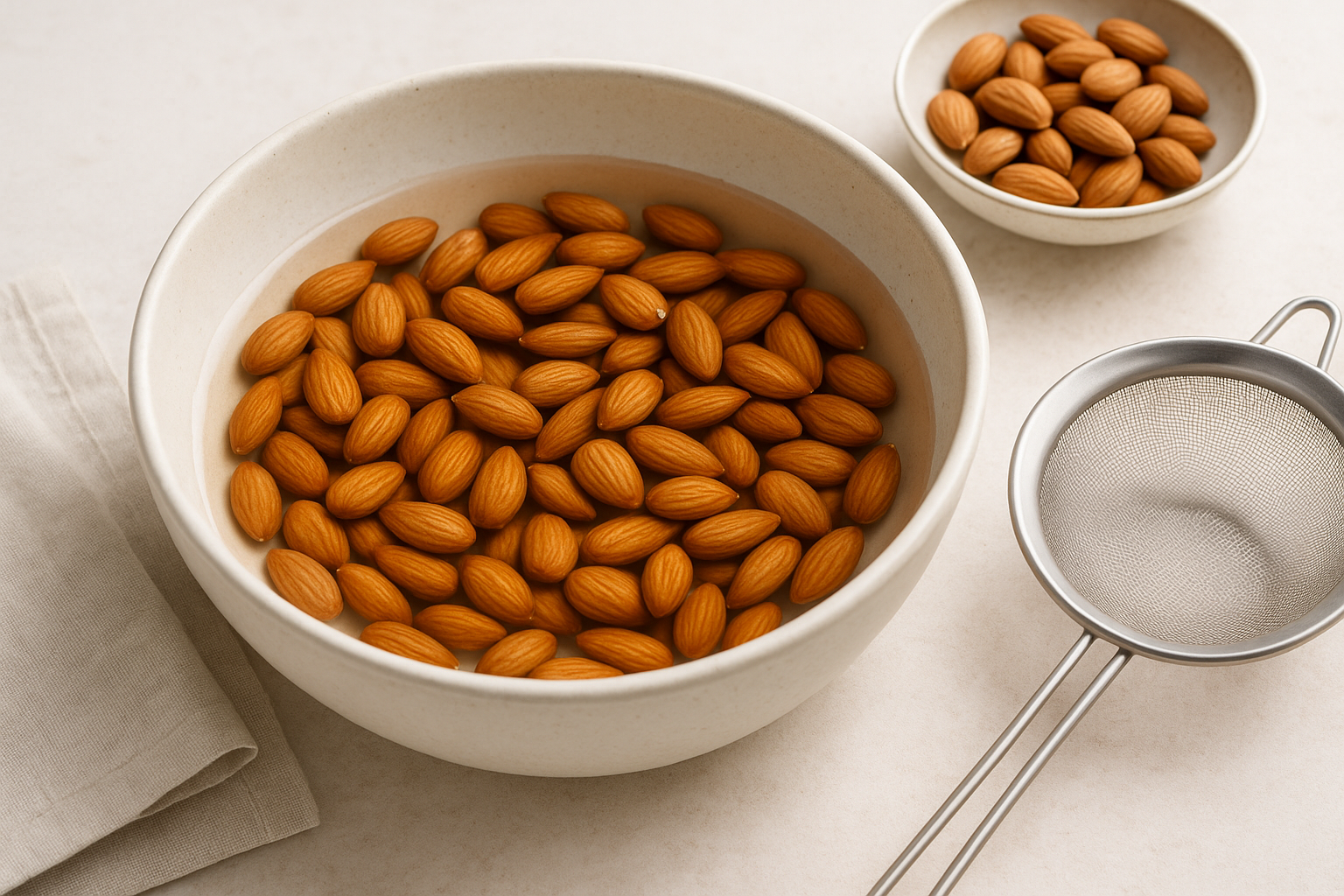
- Soak dry bases when required (for example, most nuts and some grains). Softening improves texture.
- Drain and rinse, then blend with fresh water. Start with 3–4 cups water per cup of base, and adjust for thickness.
- Strain if needed using a nut-milk bag, clean thin towel, layered cheesecloth, or a fine-mesh sieve; texture will vary.
- Transfer to a clean, covered bottle and refrigerate immediately.
Storage and food safety
Keep homemade plant milk refrigerated and use it within 3–4 days. Shake before each use because separation is normal. Discard if the smell, color, texture, or taste changes. Use clean equipment, and do not leave homemade milk at room temperature for extended periods.
Practical notes, substitutions, and small tweaks
- If a recipe calls for sweetened store milk, for example, add 1–2 teaspoons maple syrup or honey per cup to taste; alternatively, leave it unsweetened.
- Want creamier milk for sauces? Blend cashews or soaked oats longer, and strain less for body.
- Egg-free and oil-free substitutions: these plant milks are naturally egg-free and oil-free; therefore, no additional modification is required for those dietary needs.
- Nut-free swaps: where a recipe uses almond or cashew milk, substitute oat or sunflower seed milk instead.
Frequently asked questions
Which plant milk is closest to dairy milk?
Soy milk is the closest nutritionally among common fortified commercial options, particularly for protein. However, homemade soy milk is not automatically fortified.
Do I need a nut-milk bag?
No. A clean thin kitchen towel, layered cheesecloth, or fine-mesh sieve can work, although the texture will vary. For thicker results, strain less or skip straining with softer bases like cashew.
Can homemade plant milk be frozen?
Yes, but it may separate after thawing. Therefore, freeze small portions and then blend or shake them after defrosting to recombine texture.
Can children drink homemade plant milk?
Homemade versions are usually unfortified and vary widely in protein and calories. For that reason, discuss age-appropriate milk choices with a pediatric clinician. Plant milk is not infant formula.
Nutrition information is educational and approximate. Individual dietary needs vary.

01 of 12
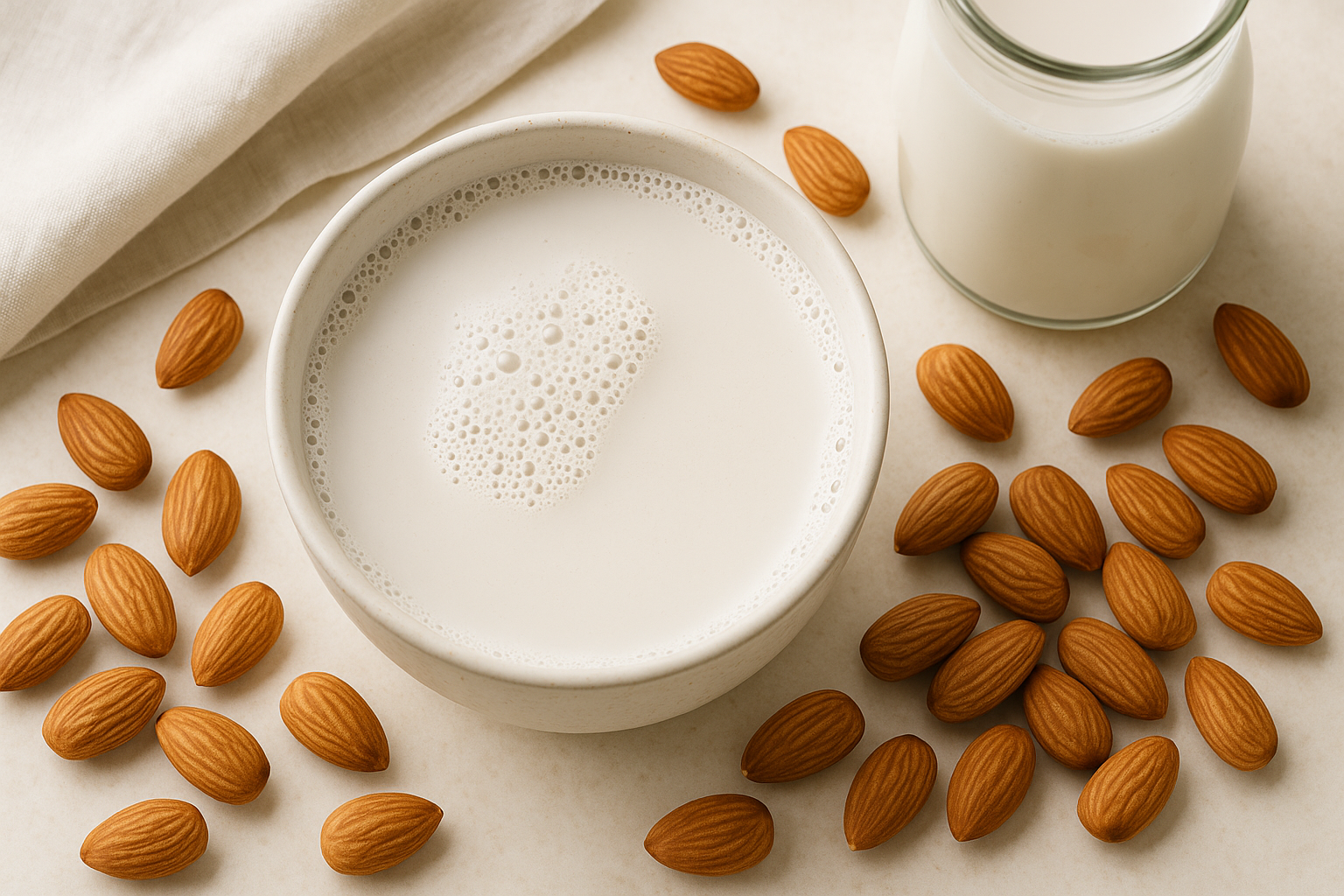 Image: Created for The Nutrient
Homemade Almond Milk
A simple, smooth homemade almond milk recipe for cereal, coffee, and cooking.
View Recipe02 of 12
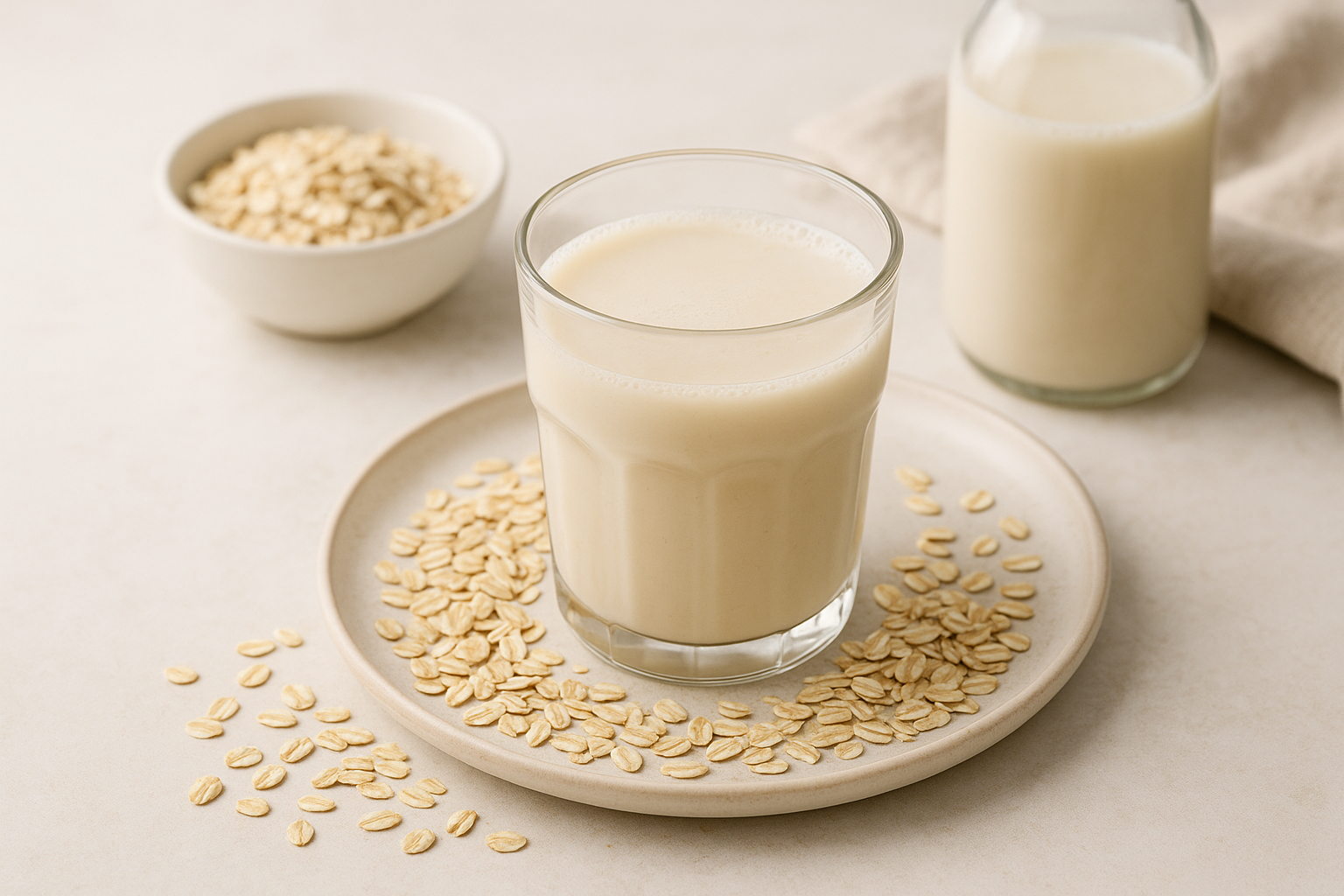 Image: Created for The Nutrient
Homemade Oat Milk
A quick, creamy recipe for homemade oat milk for cereal, smoothies, and baking.
View Recipe03 of 12
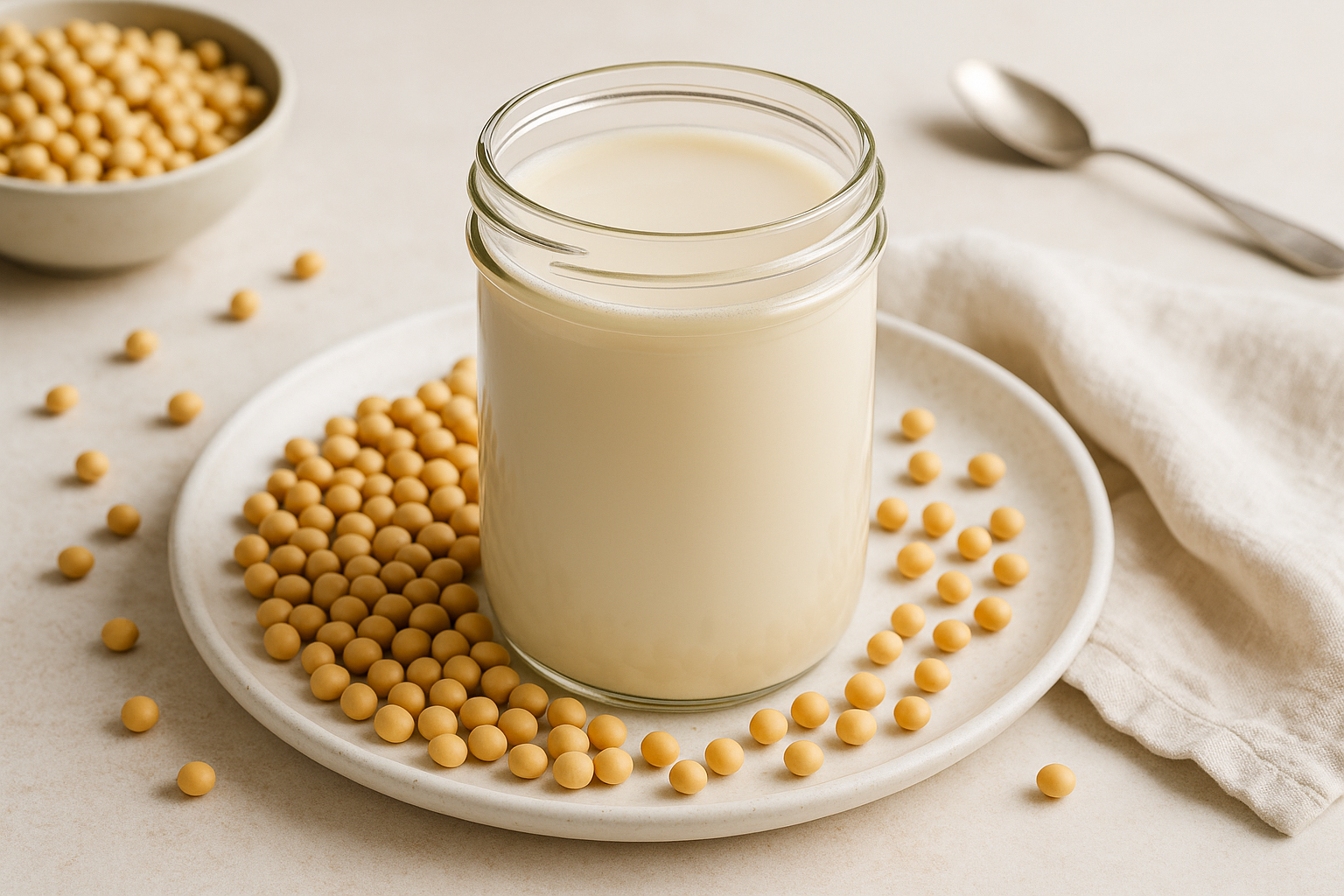 Image: Created for The Nutrient
Homemade Soy Milk
A simple, high-protein homemade soy milk recipe with clear soaking, blending, and cooking steps plus storage, uses, and nutrition per cup.
View Recipe04 of 12
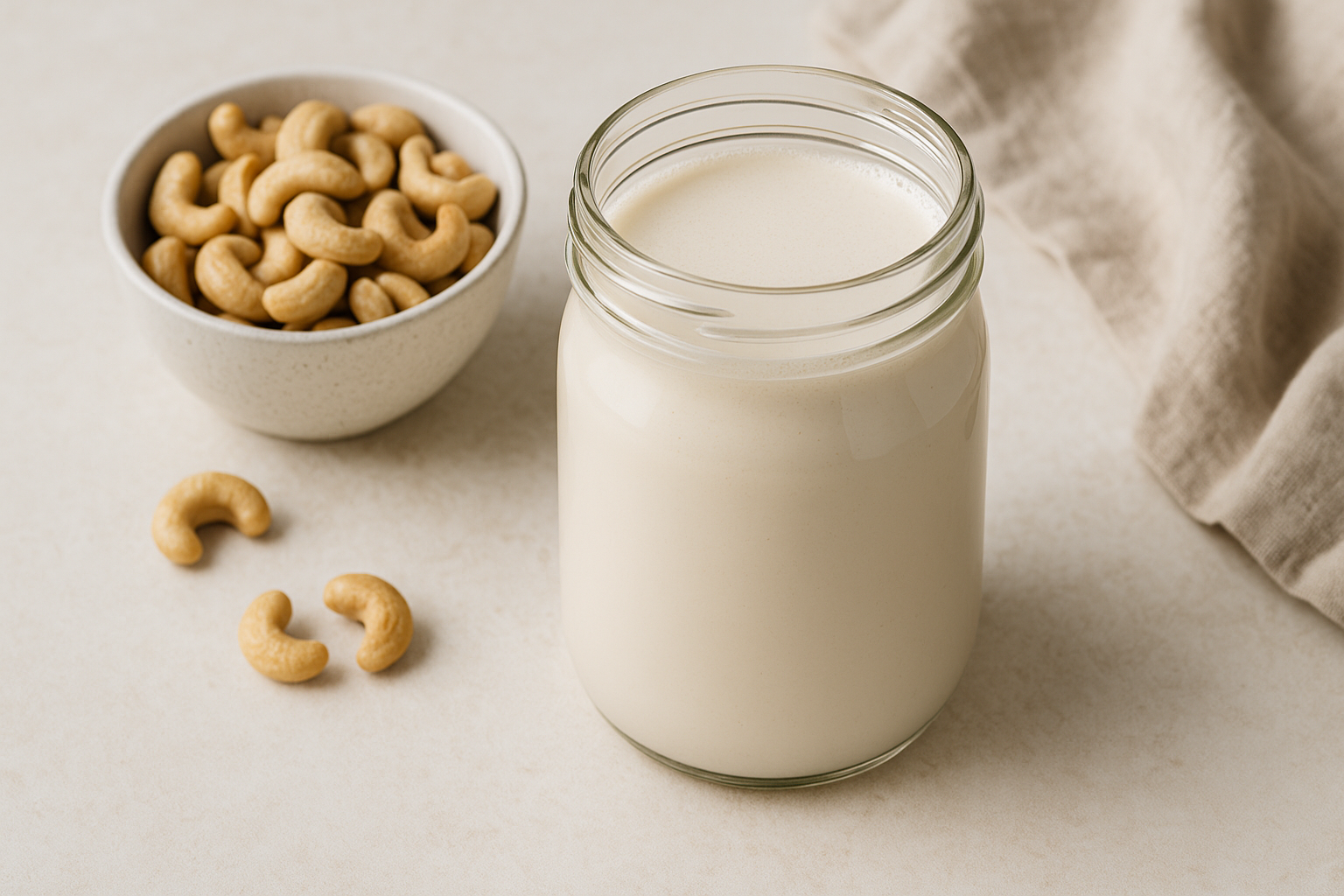 Image: Created for The Nutrient
Homemade Cashew Milk
A quick, creamy homemade cashew milk that usually needs no straining and stores 3–4 days in the fridge.
View Recipe05 of 12
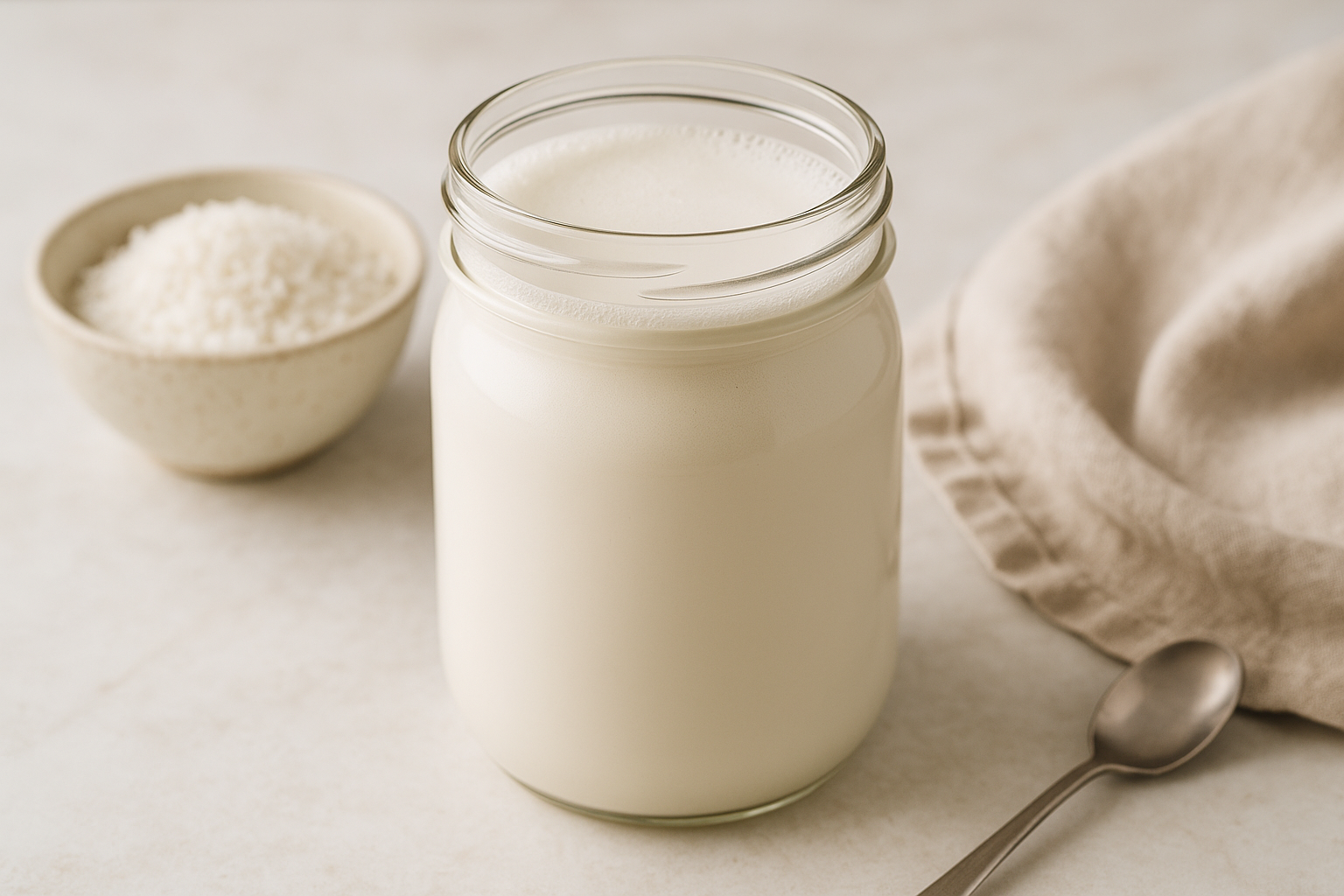 Image: Created for The Nutrient
Homemade Coconut Milk
A simple, two-ingredient Homemade Coconut Milk for curries, desserts, and smoothies.
View Recipe06 of 12
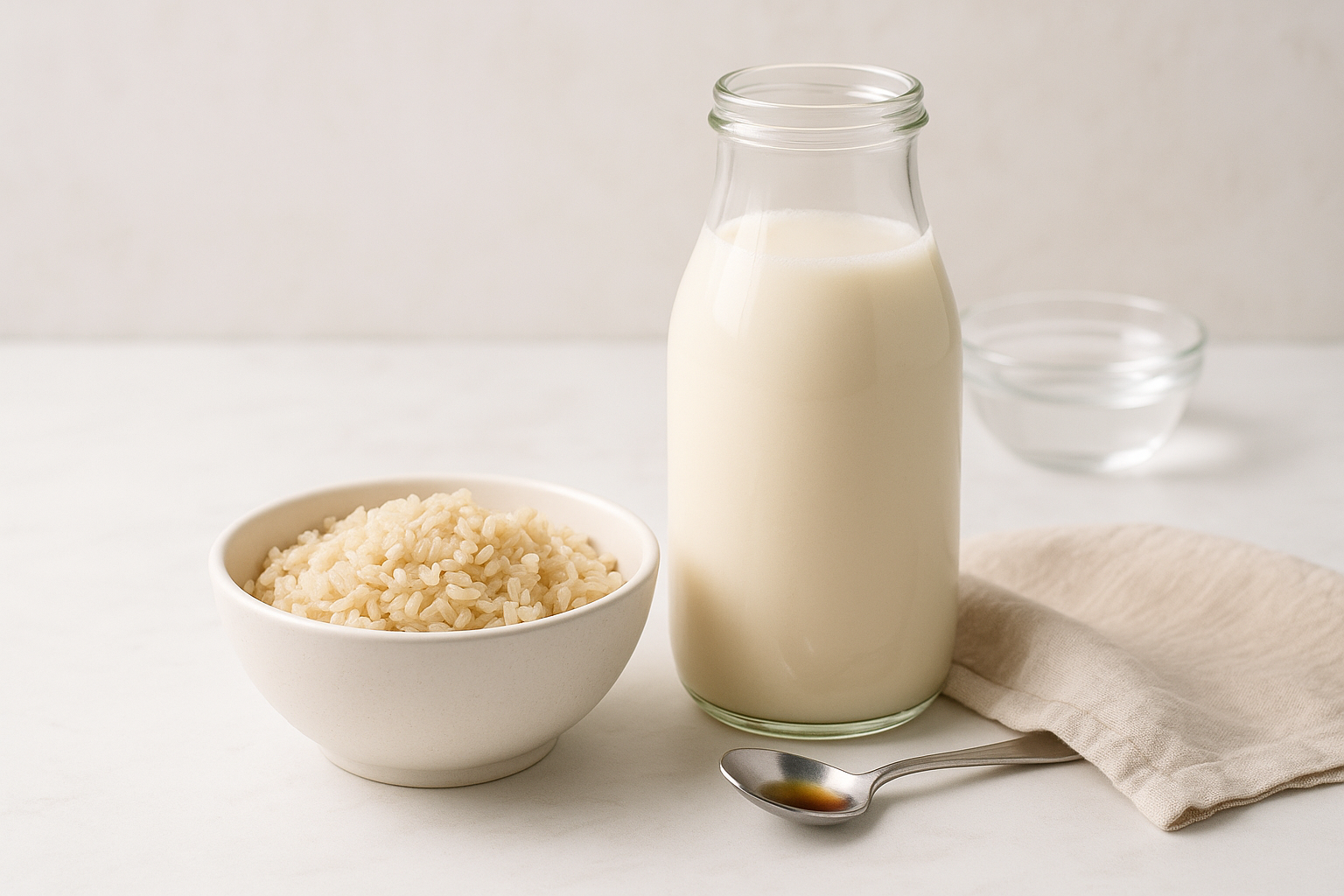 Image: Created for The Nutrient
Homemade Rice Milk
A mild, nut-free rice milk ideal for cereal, smoothies, and light baking.
View Recipe07 of 12
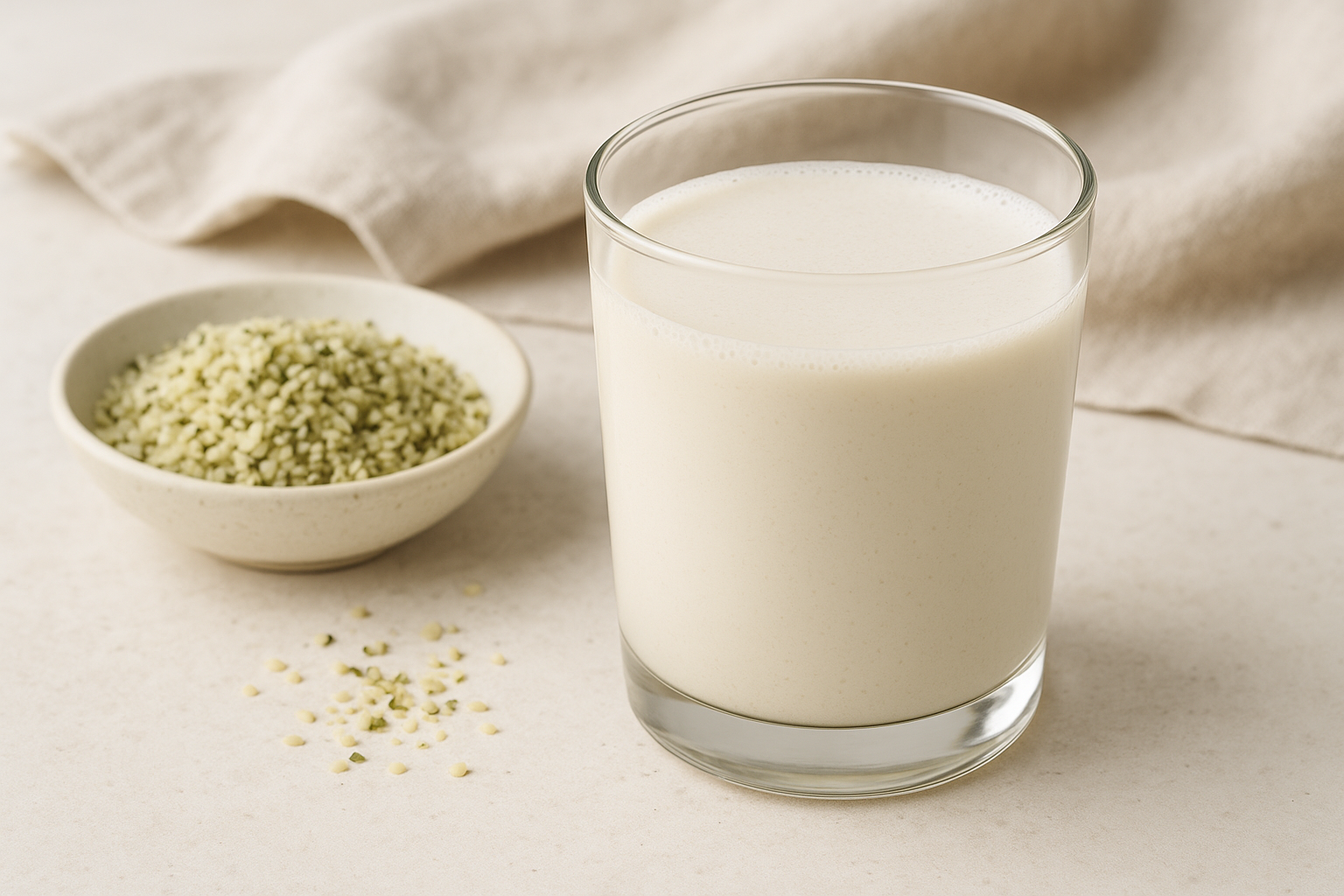 Image: Created for The Nutrient
Homemade Hemp Milk
Quick, creamy homemade hemp milk with no soaking or straining—ready in 5 minutes.
View Recipe08 of 12
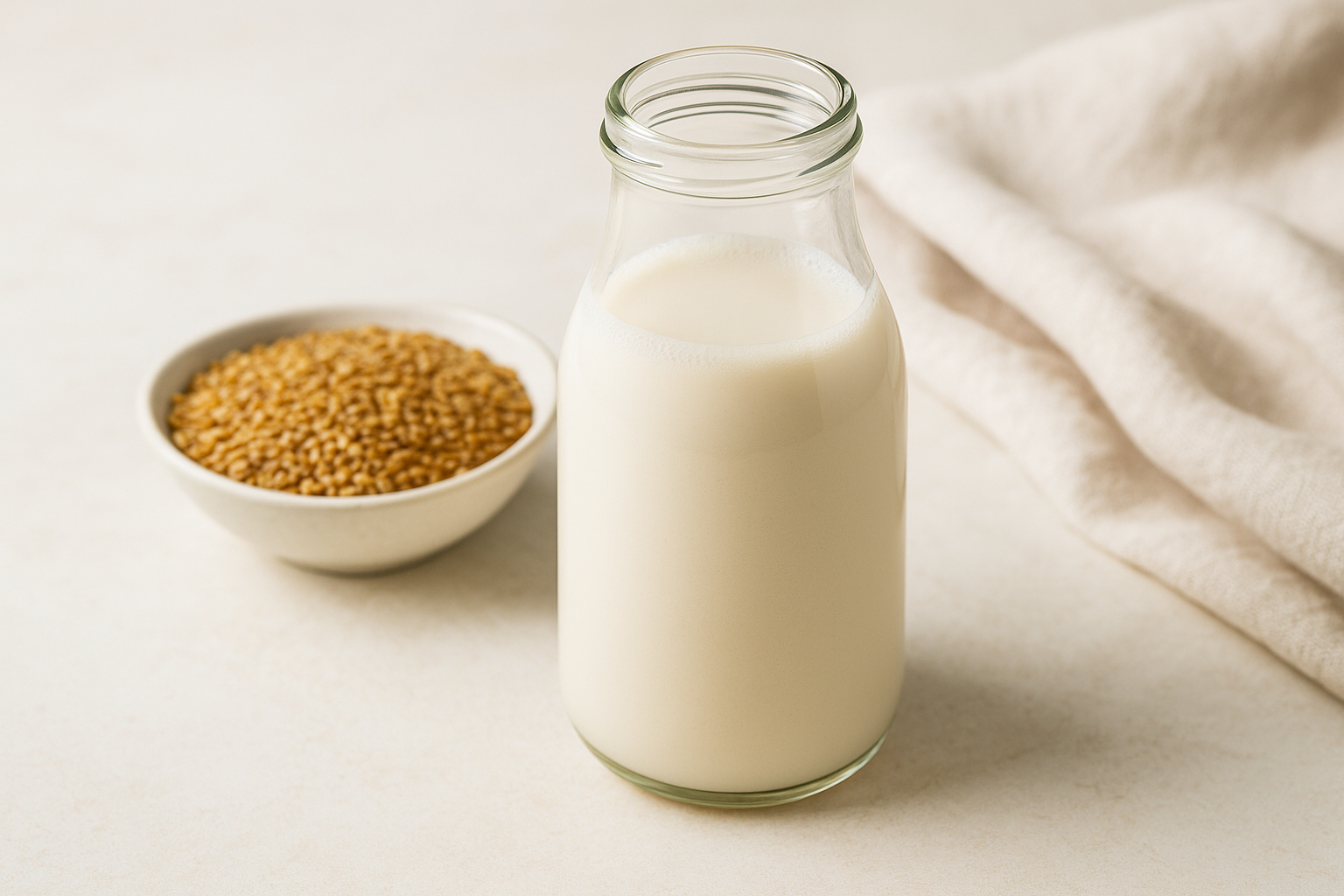 Image: Created for The Nutrient
Homemade Flax Milk
An easy, nut-free homemade flax milk recipe—ready in minutes and great for cereal, smoothies, and baking.
View Recipe09 of 12
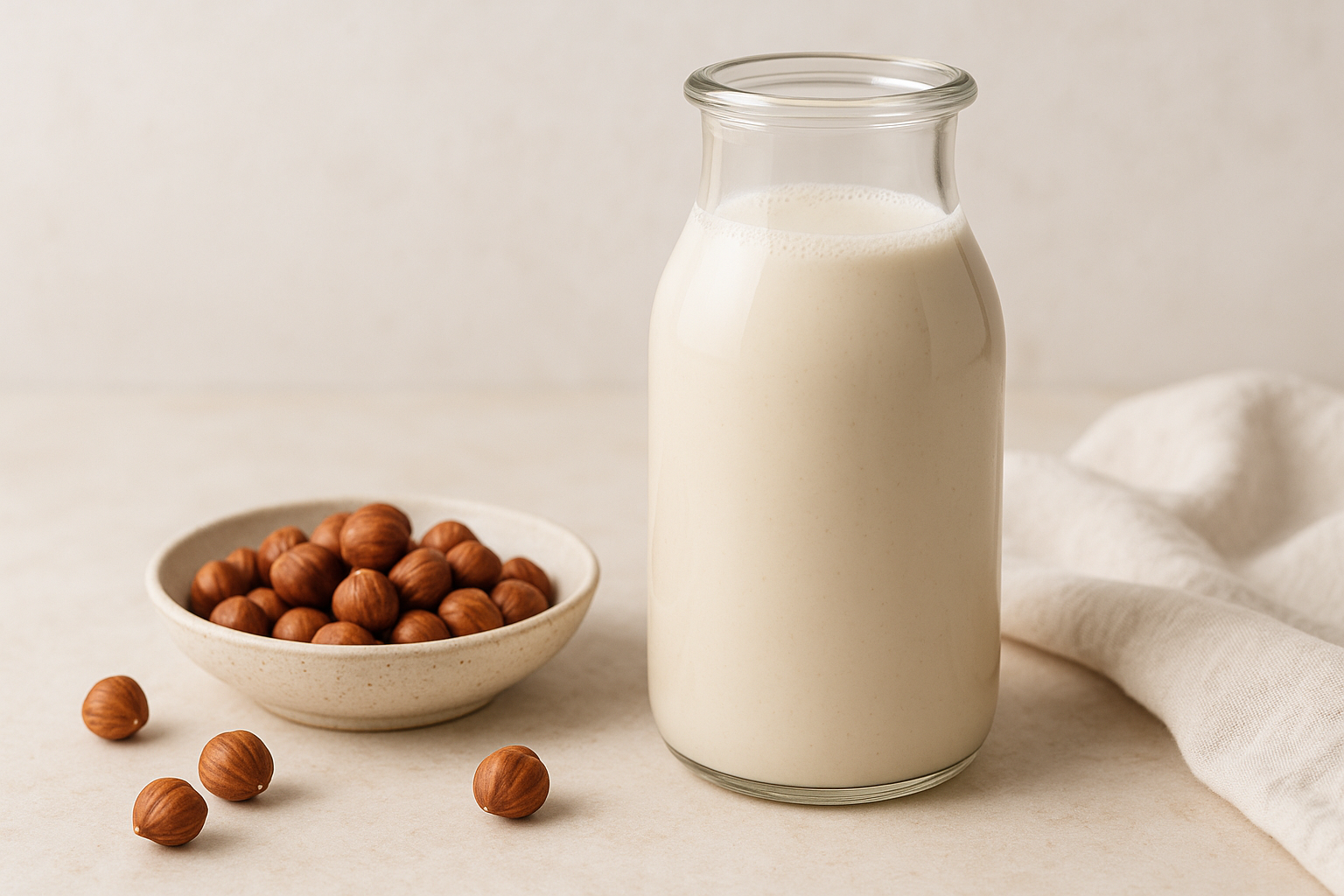 Image: Created for The Nutrient
Homemade Hazelnut Milk
A simple, toasted-flavored hazelnut milk you soak, blend, and strain—ready for coffee, cocoa, smoothies, and baking.
View Recipe10 of 12
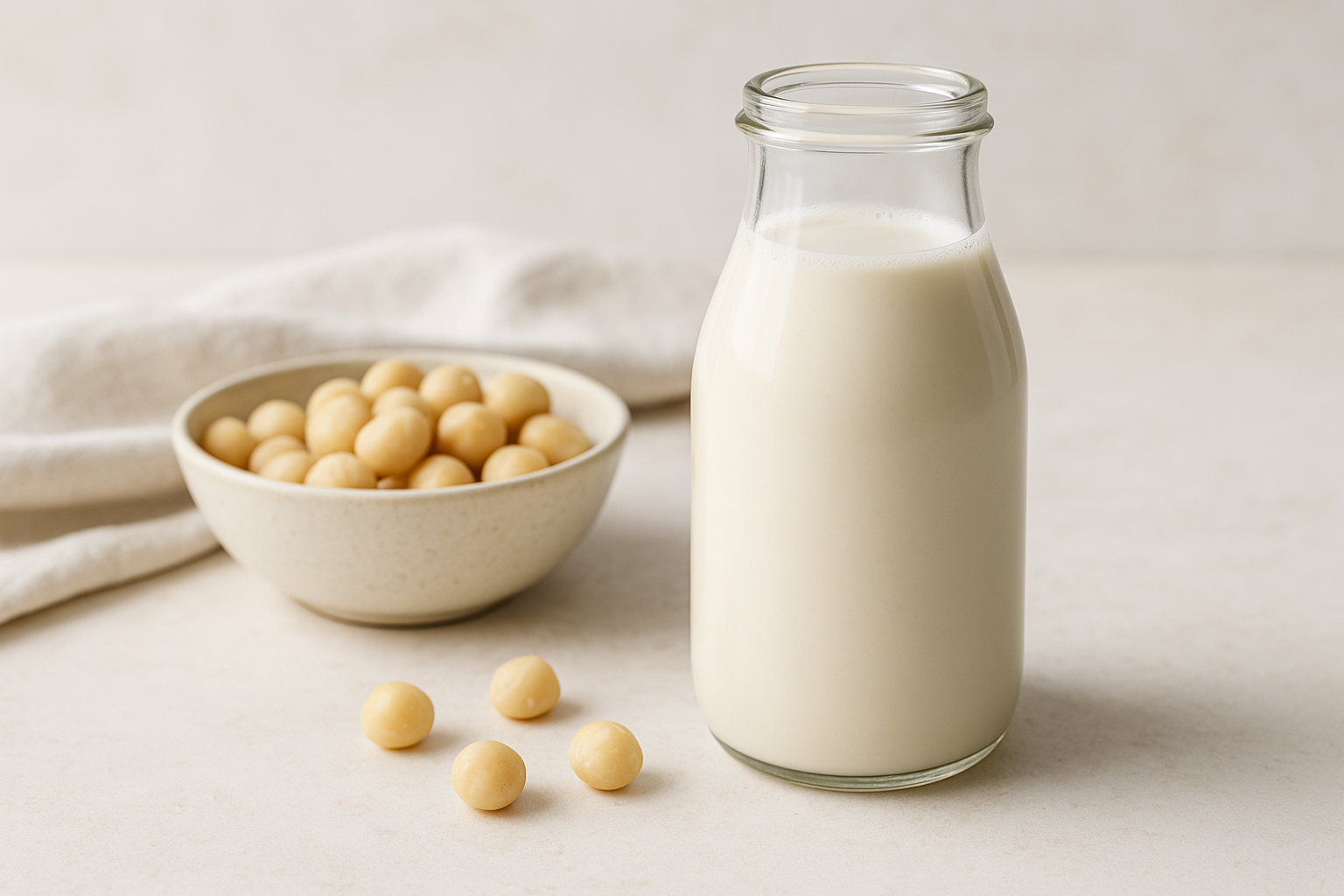 Image: Created for The Nutrient
Homemade Macadamia Milk
Silky, rich macadamia milk you can make at home in minutes with simple ingredients and clear storage tips.
View Recipe11 of 12
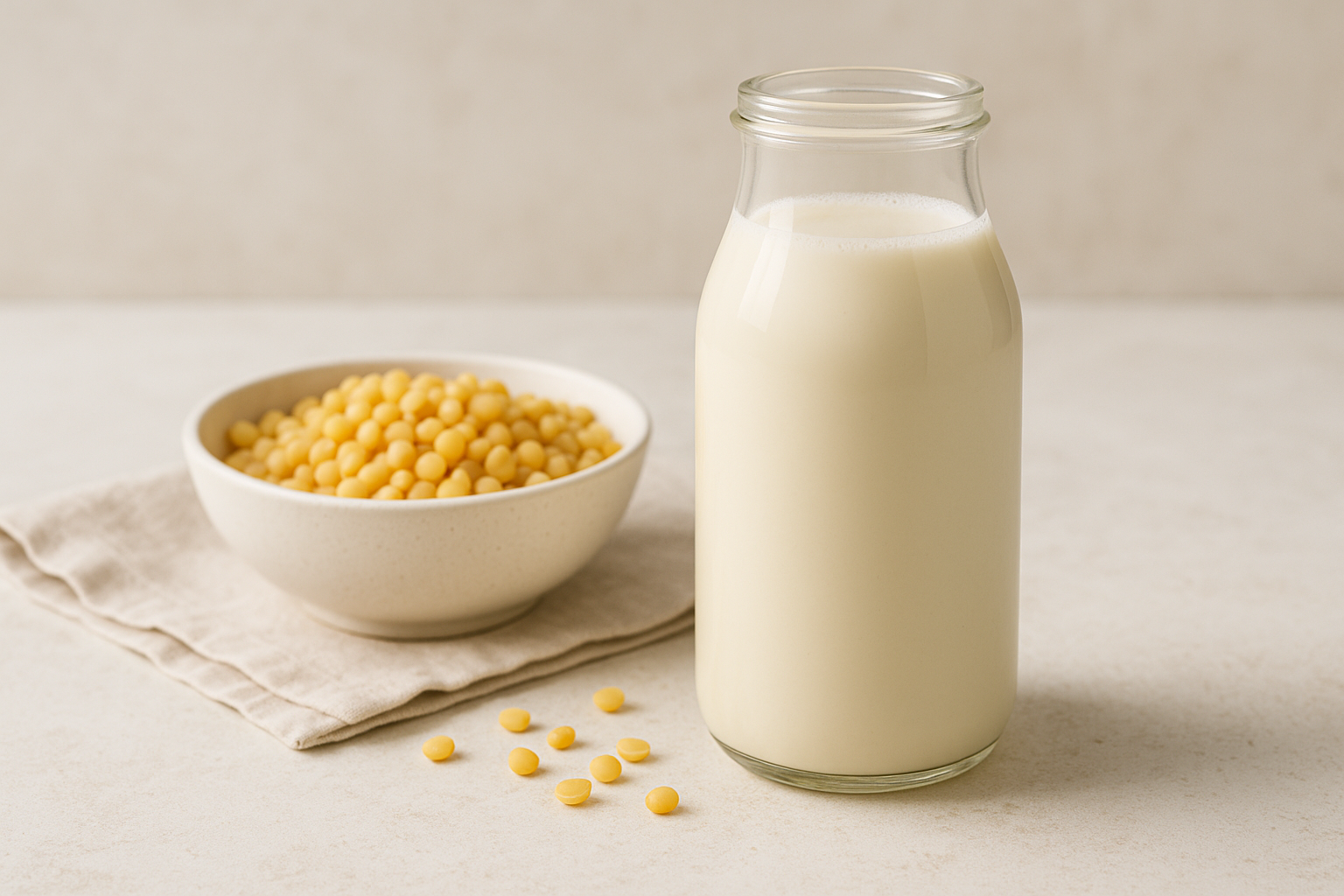 Image: Created for The Nutrient
Homemade Pea Milk
A creamy, nut-free plant milk made from cooked yellow split peas.
View Recipe12 of 12
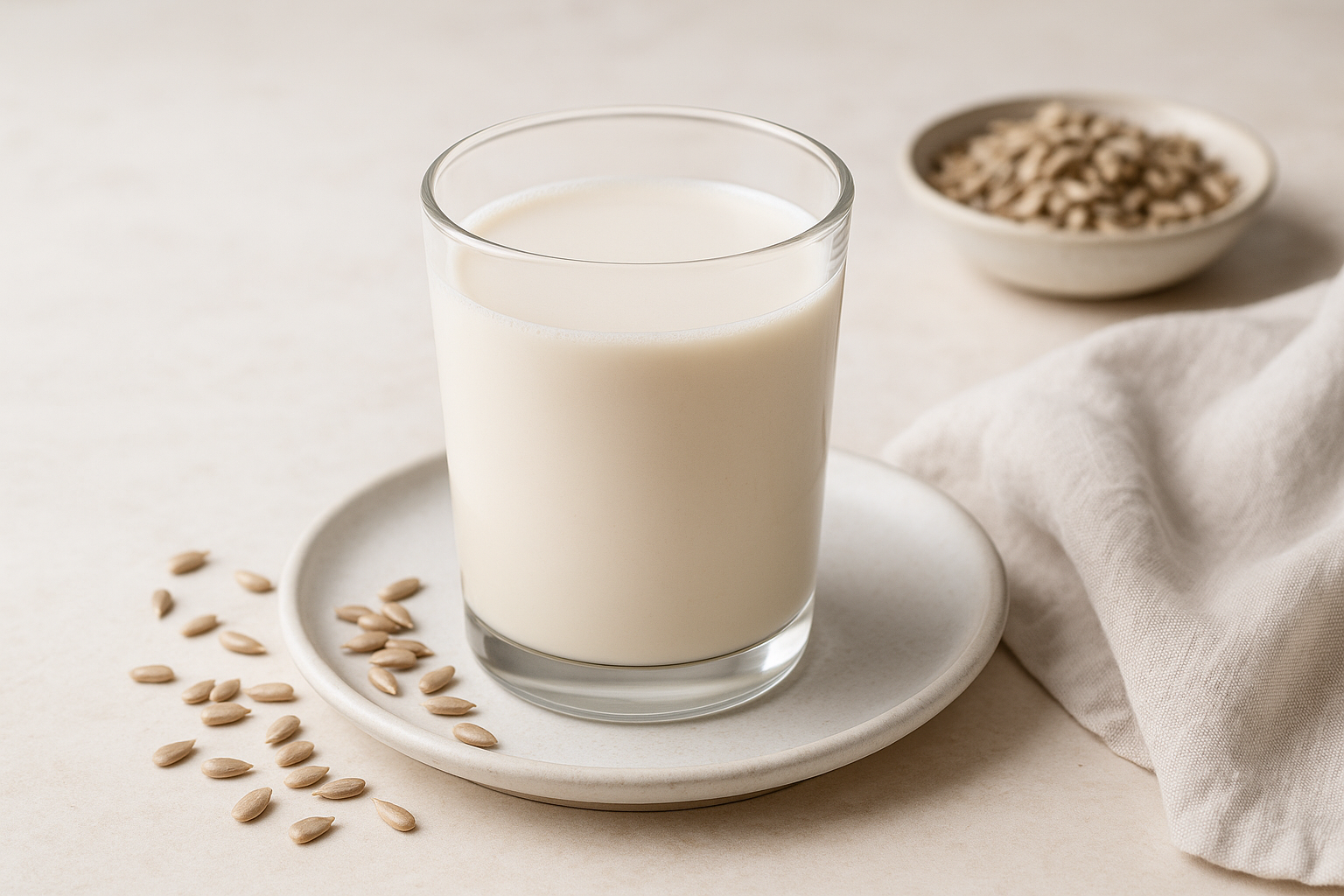 Image: Created for The Nutrient
Homemade Sunflower Seed Milk
Creamy, dairy-free Sunflower Seed Milk you can make at home in about 10 minutes active time (plus soaking).
View RecipeYOUR FEEDBACK
Was this page helpful?
Your answer helps us improve our recipes and guides.