The Esselstyn Breakfast: What’s In, What’s Out, and What I Do Differently
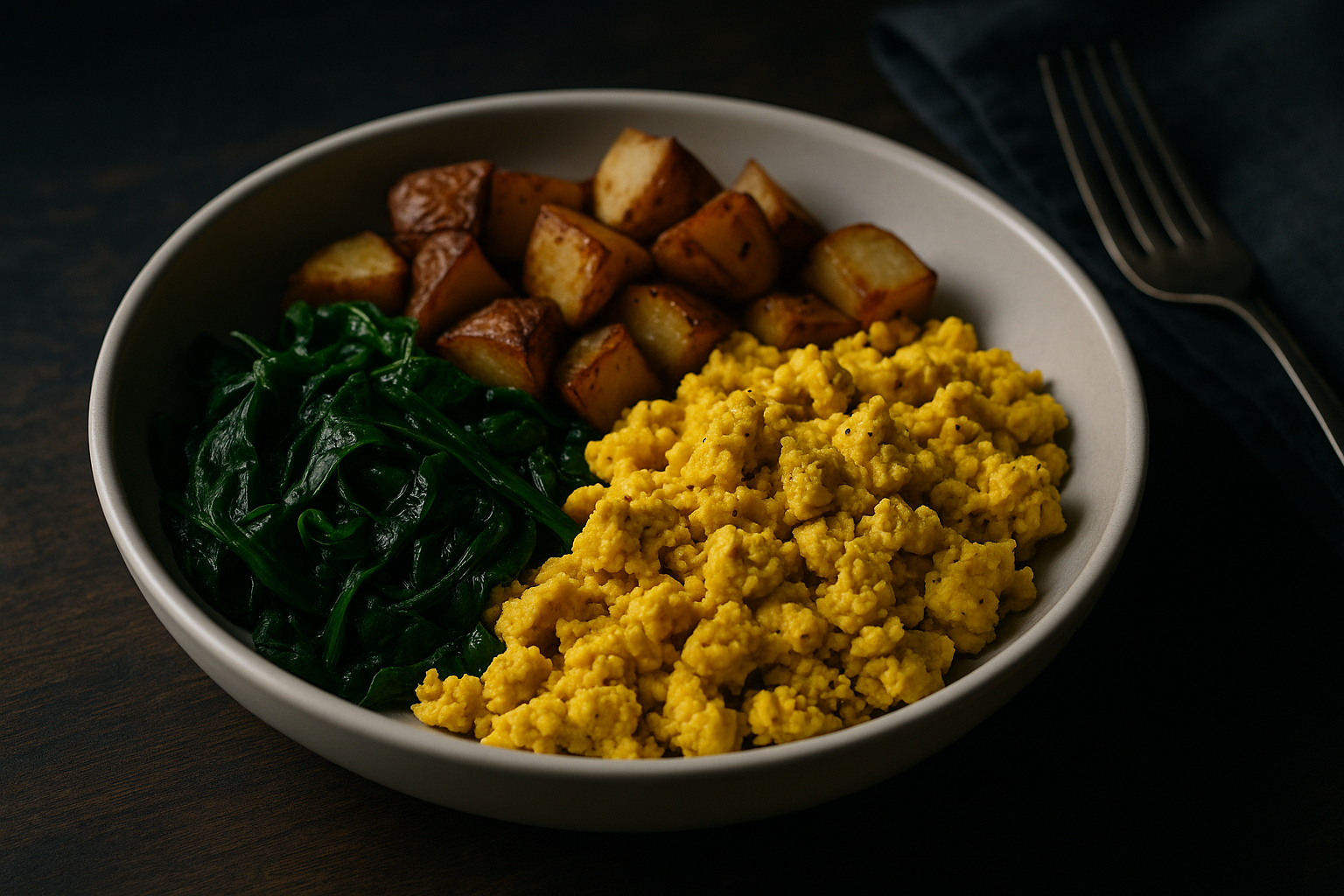
Image created for The Nutrient
A clear, practical guide to Dr. Esselstyn’s breakfast approach and how I adapt it for everyday cooking.
The Esselstyn Breakfast appears here as a practical framework I use alongside my own experience. At 26, bloodwork showed my platelet count raised my stroke risk. Later, gallbladder and bile problems during pregnancy made food deeply personal. Therefore, I changed my diet gradually, first removing red meat, then chicken and eggs, and finally moving toward a more plant-centered way of eating.
I learned to watch how foods affected both cardiovascular health and gallbladder symptoms. Dr. Caldwell B. Esselstyn Jr.’s work gave me a clear framework for thinking about diet and heart disease. I don’t follow every rule exactly, and his program is not a gallbladder treatment. Instead, I combine his ideas with broader nutrition guidance to build meals that feel supportive and practical.
This article describes Dr. Esselstyn’s published approach and my experience. It is not medical advice. If you have cardiovascular or gallbladder disease, take medication, or plan a major dietary change, speak with your qualified healthcare professional.
“The key lies in nutrition.” — Caldwell B. Esselstyn Jr., M.D., Prevent and Reverse Heart Disease
Why Breakfast Can Feel Difficult
Breakfast is where many people get stuck. Eggs, butter, cheese, breakfast meat, pastries, and oil in the pan are common morning ingredients. However, these foods fall outside Esselstyn’s strict program. Once the framework is clear, breakfast can be built from whole grains, fruit, vegetables, beans, and other minimally processed plant foods.
The Esselstyn Rules, in Plain Language
Foods the strict program leaves out
- Animal products: meat, poultry, fish, eggs, and dairy products.
- All extracted oils: including olive, canola, coconut, corn, sunflower, and flaxseed oil.
- Nuts, nut butters, and avocado for people with established heart disease: his published FAQ offers a narrower exception for some people without heart disease.
- Refined and highly processed foods: products made with white flour, added oil, excess sodium, or substantial added sugar.
- Juice and smoothies: his approach favors chewing whole fruit rather than drinking or blending it.
Foods used to build breakfast
- Whole grains: oats, buckwheat, millet, quinoa, and oil-free whole-grain bread.
- Whole fruit: berries, bananas, apples, peaches, and citrus.
- Leafy greens: kale, spinach, chard, and similar vegetables—even at breakfast.
- Legumes and soy foods: beans, lentils, and tofu for savory options.
- Ground flaxseed or chia: Esselstyn’s FAQ allows one to two tablespoons, distinguishing the whole or ground seed from extracted seed oil.
What This Can Look Like on a Plate
- Oats: rolled or steel-cut oats cooked with water or oil-free, unsweetened plant milk, topped with whole fruit and ground flaxseed.
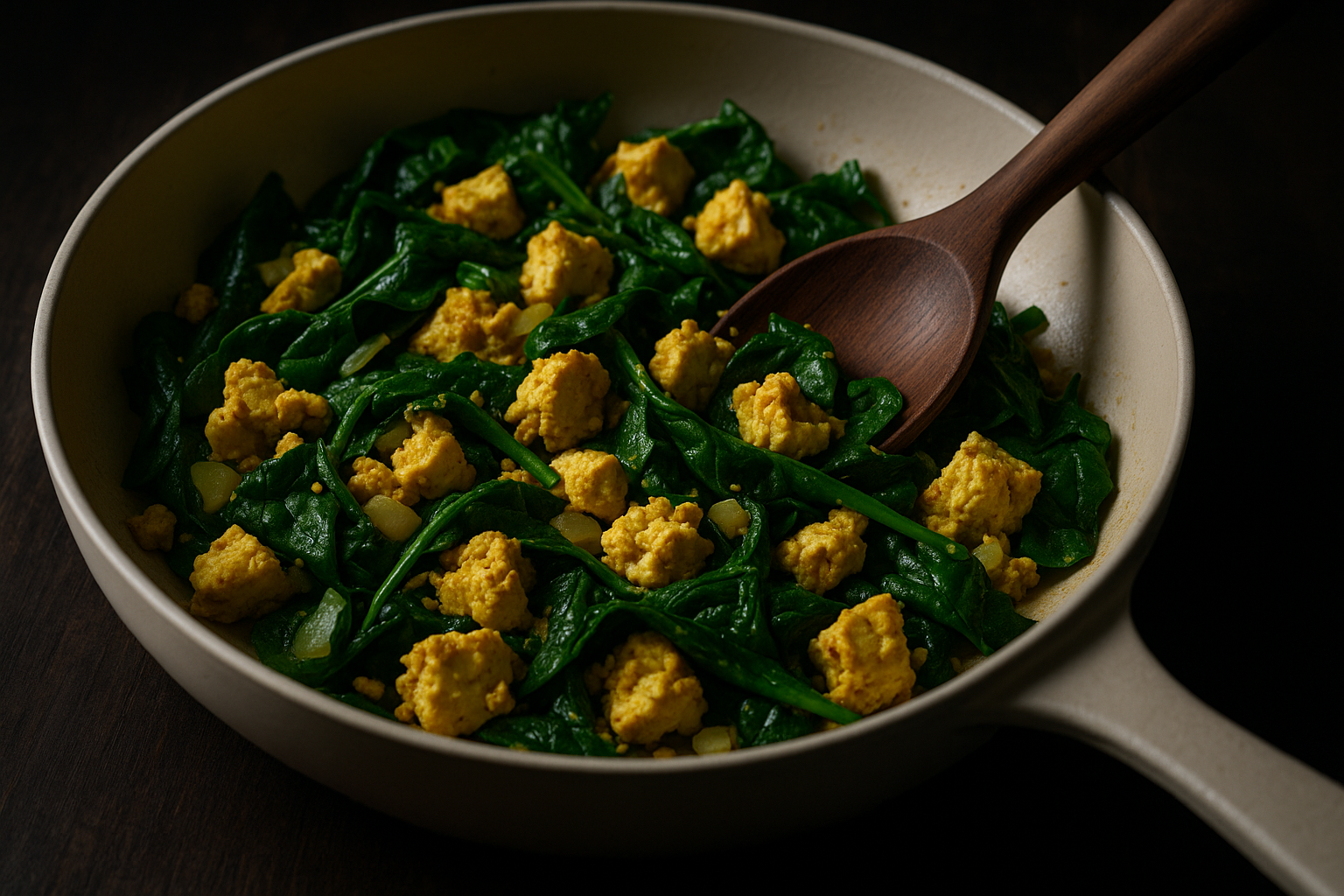
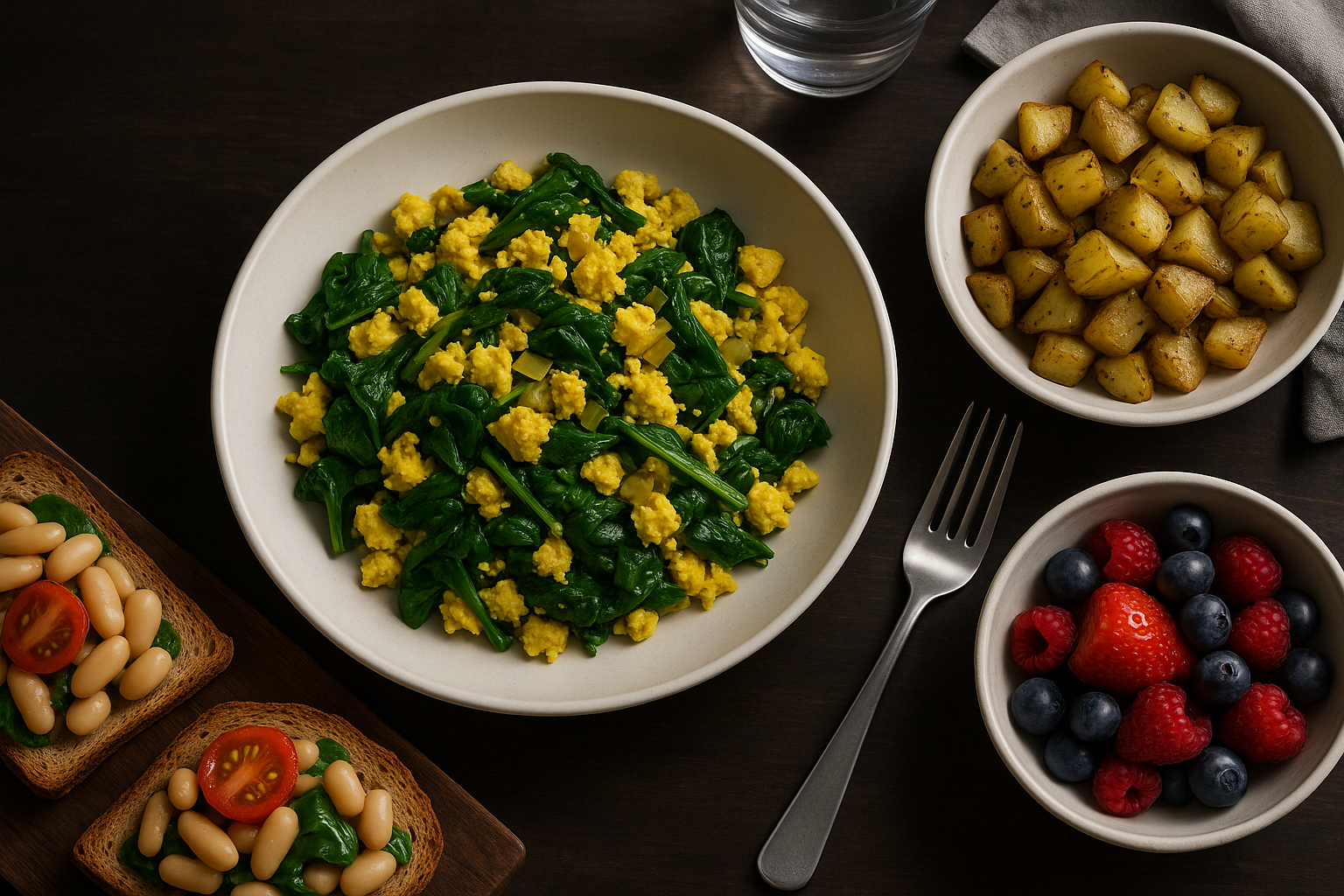
- Savory tofu and greens: tofu warmed in a dry nonstick pan with turmeric, onion, and leafy greens.
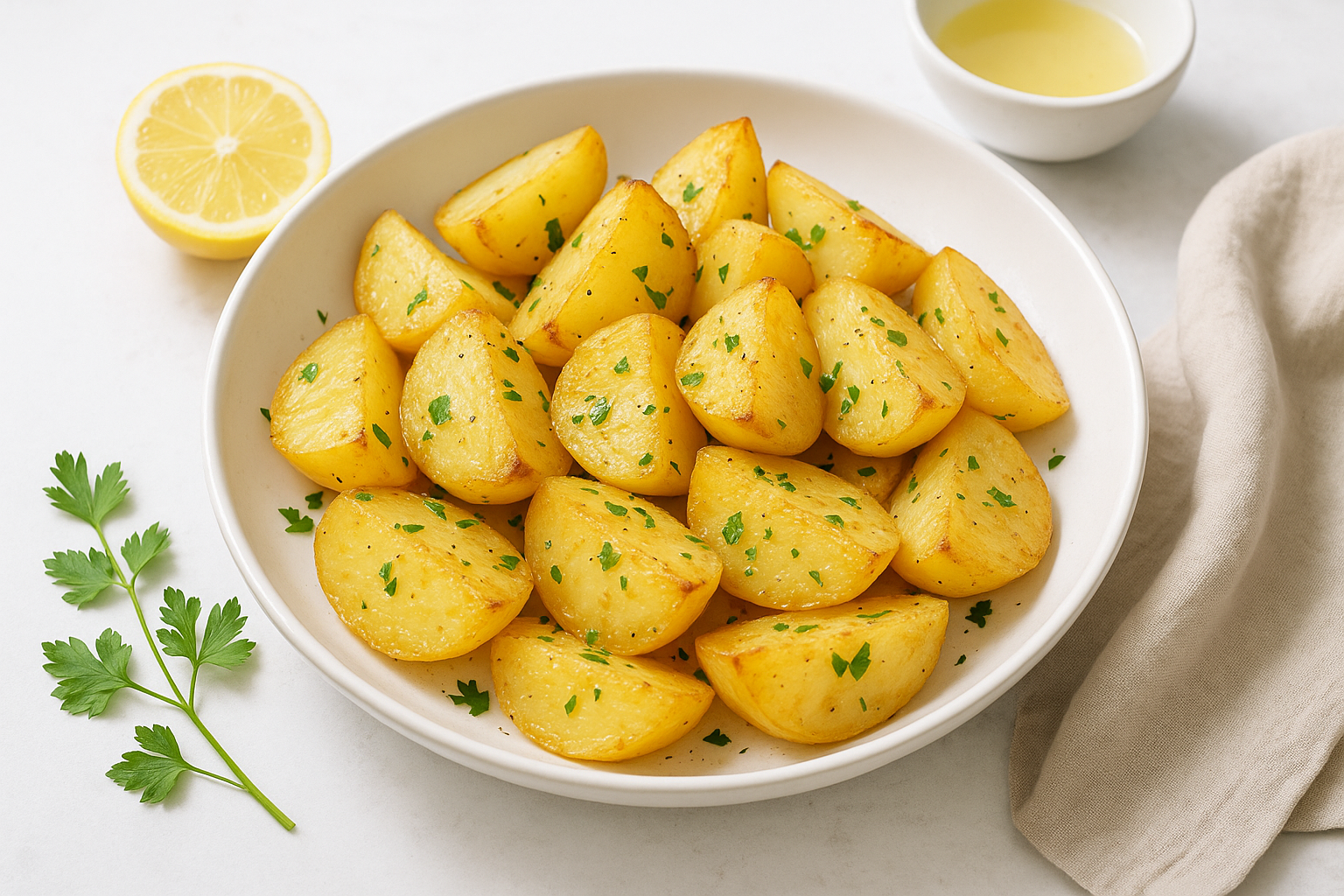
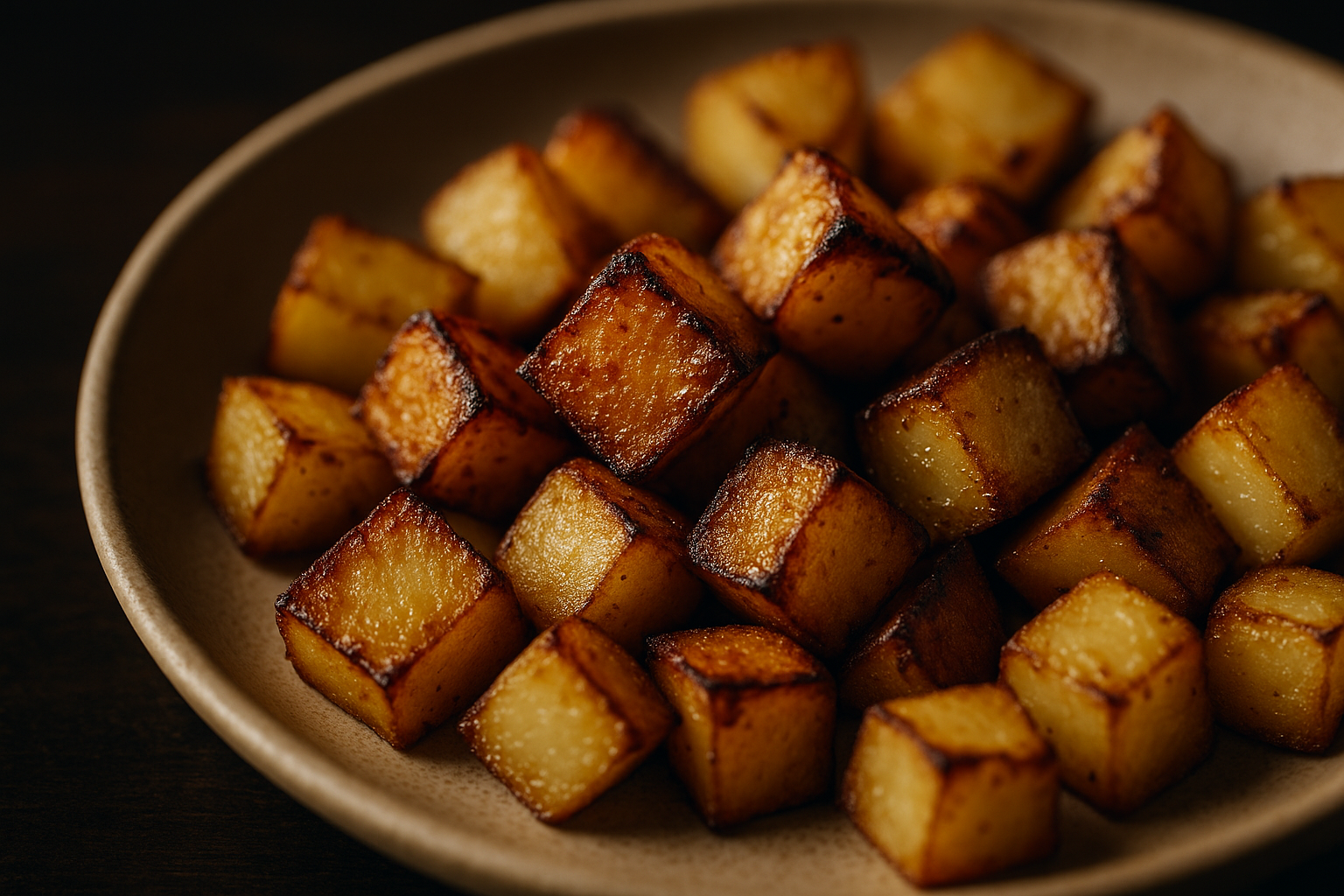
- Oil-free breakfast potatoes: diced potatoes roasted on parchment or cooked in an air fryer without added oil.
- Hot grain bowls: buckwheat, millet, or quinoa served with warm fruit and cinnamon.
- Beans on oil-free whole-grain toast: a savory option with tomatoes, herbs, and greens.
Esselstyn Breakfast examples
For example, a bowl of oats with berries and flaxseed or a tofu scramble with spinach follows the program closely. Meanwhile, small, sensible swaps can adapt family meals without wasting food. My recipes on The Nutrient homepage fall into two clearly labeled groups: strict Esselstyn-style recipes and broader heart-conscious recipes.
What I Do Differently
I treat Esselstyn’s program as one influential approach, not the only definition of heart-healthy eating. Other respected guidance allows modest portions of unsalted nuts and other sources of unsaturated fat. Therefore, I show where recommendations differ, instead of presenting one dietary philosophy as universally correct.
Recipes here fall into two groups: those that follow Esselstyn’s strict published approach, and broader heart-conscious recipes that emphasize fiber, whole plant foods, limited sodium, and lower saturated fat. A breakfast containing walnuts or unsalted nut butter may fit the broader group, but it should not be labeled as compliant with the strict program for people with established heart disease.
Practical Plant-Forward Substitutions
Below are simple swaps you can use at breakfast to replace flagged ingredients while keeping meals satisfying.
- Meat, poultry, fish: use seasoned beans, lentils, or crumbled tempeh.
- Eggs: use firm tofu scrambled with turmeric or chickpea flour “omelets.”
- Dairy (milk, yogurt, cheese): try unsweetened soy or oat milk and oil-free, blended white beans for creamy texture.
- Extracted oils: cook in a dry nonstick pan, roast on parchment, or use vegetable broth for sautéing.
- Nuts and avocado (for strict patients): add ground flaxseed, pumpkin seeds, or a small portion of steamed beans for texture and healthy fats.
- Juice and smoothies: choose whole fruit and water or unsweetened plant milk to keep fiber intact.
Three Common Mistakes
- Replacing oil with another concentrated fat. Avocado toast and nut butter may fit other healthy diets, but they fall outside Esselstyn’s strict program for established heart disease.
- Reading only the front of a package. Breads, granolas, and plant milks marketed as healthy can contain added oil, sodium, or sweeteners. Therefore, read the full ingredient list.
- Saving every vegetable for dinner. Savory breakfast bowls, tofu scrambles, and leftover vegetables make it easier to include greens earlier in the day.
Cooking for a Family That Eats Differently
Cooking for a family taught me that changes rarely happen in isolation. I may build my own breakfast around oats, fruit, and flaxseed while preparing something different for my children. My goal is not to force every plate to look identical. Instead, I try to make the plant-based option satisfying and practical enough to become part of ordinary family life.
Where to Learn More
Dr. Esselstyn explains his clinical program and reasoning in Prevent and Reverse Heart Disease. Readers interested in following the strict program should use the book and his official program materials rather than treating a single article as individualized medical guidance.
Sources: Official book excerpt · Dr. Esselstyn’s official FAQ · Cleveland Clinic Esselstyn Heart Disease Program
The Breakfast Series
This cornerstone guide will link to the complete breakfast series as each recipe and practical guide is published.

Save Time
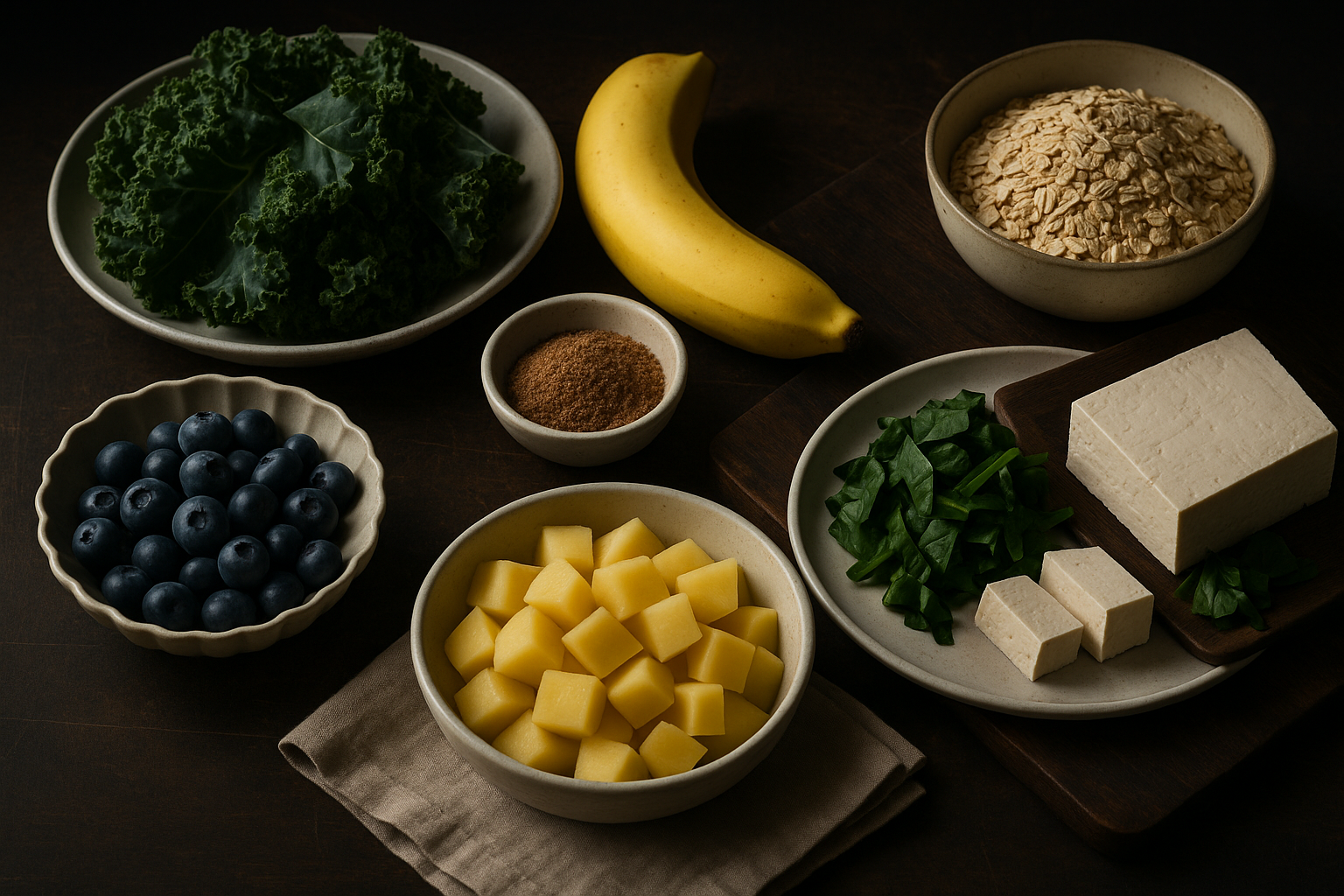
- Measure the ingredients and prepare the produce before cooking so the recipe comes together without pauses.
YOUR FEEDBACK
Was this page helpful?
Your answer helps us improve our recipes and guides.